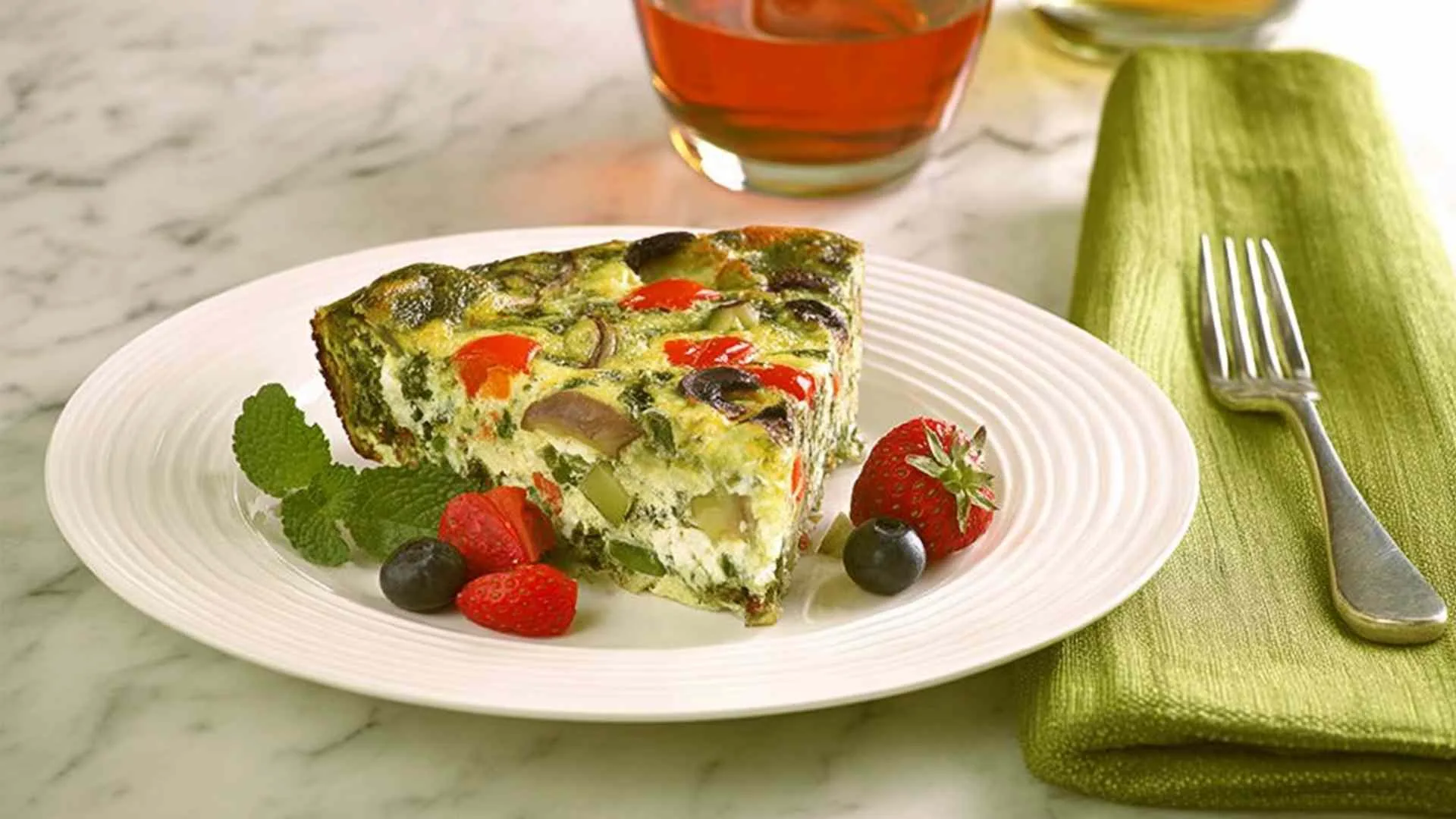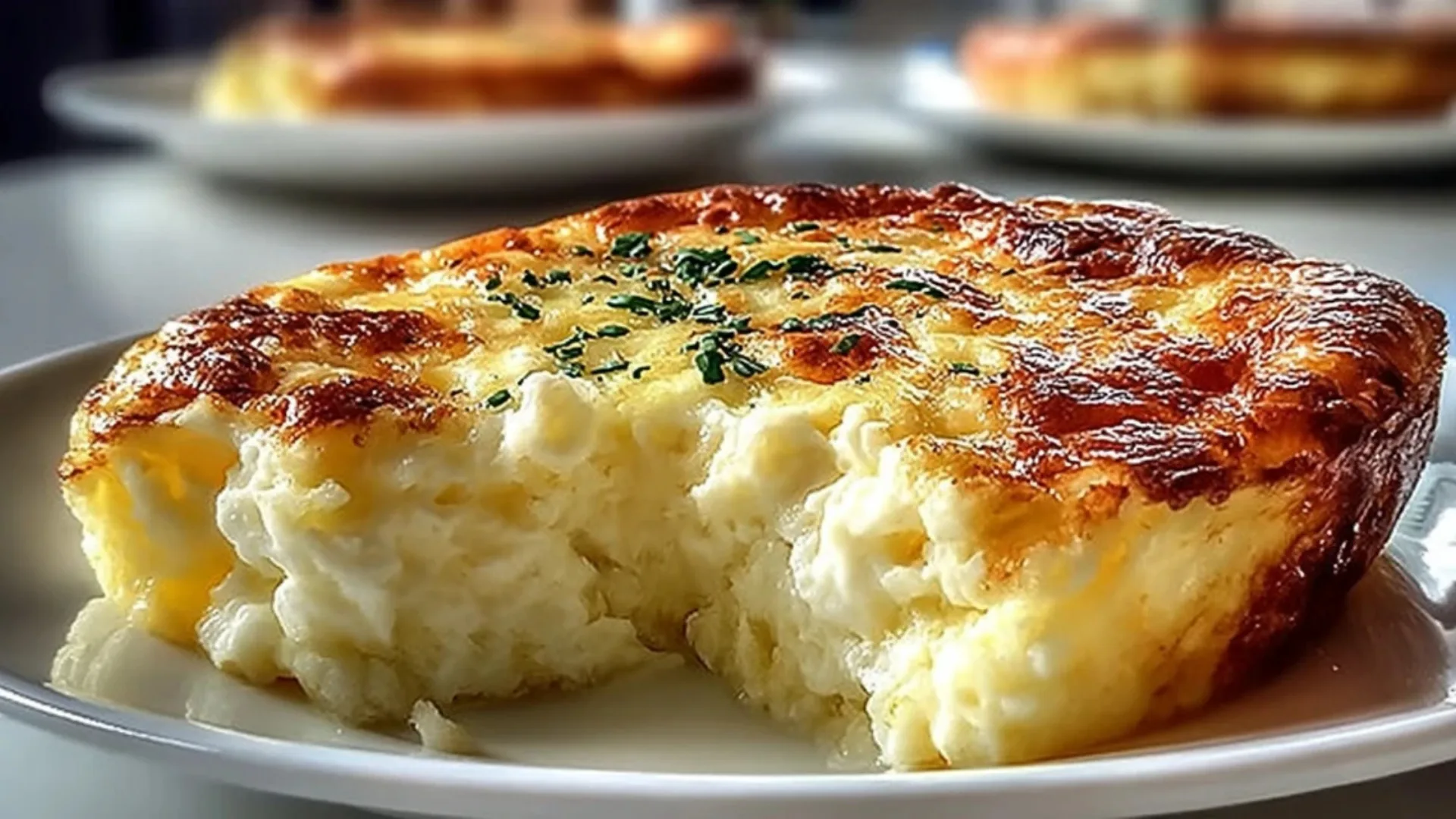
Baked cottage cheese eggs have become the breakfast I make on Sunday evenings so the week starts with something already handled. Five base ingredients, one bowl, one baking dish, and thirty minutes in the oven gives you a protein-rich breakfast that holds up for several days in the refrigerator without losing its appeal.
I started making these the same way my mother approached Sunday meal prep, quietly taking care of the week ahead before it arrived. The first time I pulled a pan of these baked cottage cheese eggs from the oven, I expected something rubbery and dense the way over-baked eggs tend to go. What came out was soft, creamy, and smelled of warm parmesan and chives in a way that made everyone appear in the kitchen asking what I was cooking. I cut a corner square to taste it and nearly finished the whole piece before reminding myself it was meant for the week. It has been on the Sunday prep list ever since. Your kitchen is about to smell incredible.
Why Baked Cottage Cheese Eggs Belong in Your Recipe Box
Betty has always believed that the best breakfast recipes are the ones that do not ask much of you before your first cup of coffee and still reward you with something genuinely satisfying well past lunchtime. This high-protein egg bake delivers exactly that, with a short ingredient list and a method so simple it barely counts as cooking.
- Delivers over 18g of protein per serving, keeping hunger at bay without snacking before lunch
- Comes together in about 5 minutes of active prep time before the oven takes over completely
- Uses only five base ingredients that are easy to find and typically already in the refrigerator
- Naturally gluten-free with a mild, familiar flavor that works for picky eaters and children alike
- Adapts to whatever vegetables or herbs you have on hand, making it a practical use-what-you-have recipe
- Stores well in the refrigerator for up to three days and tastes good both reheated and cold
Key Players in This Recipe
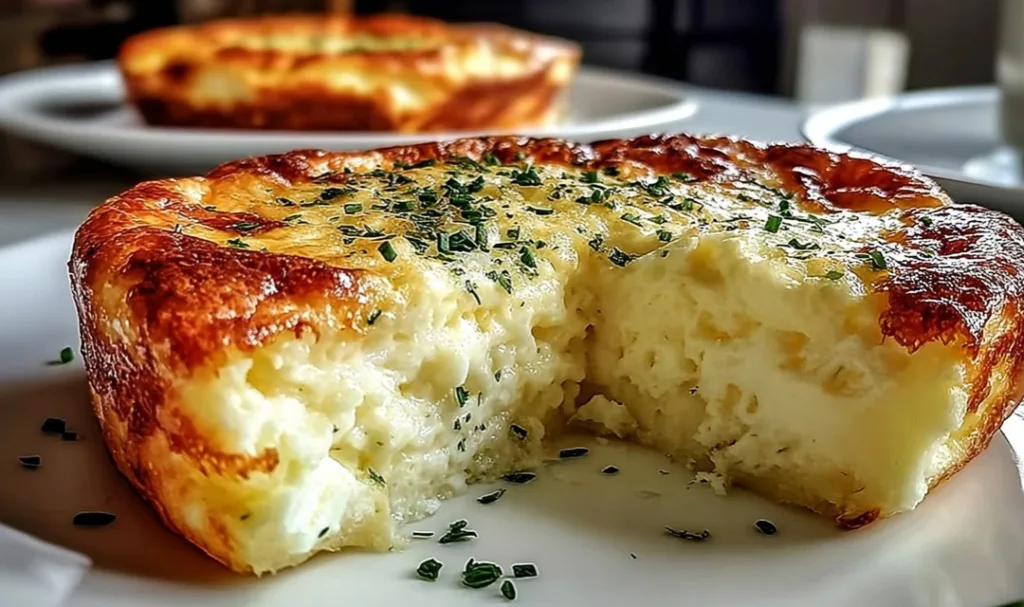
Cottage cheese is the ingredient that sets these baked eggs apart from a standard egg bake. It melts into the mixture during baking and creates a soft, creamy texture that sets with a gentle firmness rather than turning rubbery or dry around the edges. I always choose full-fat cottage cheese because the higher fat content produces a noticeably richer result, though low-fat works fine if that is your preference.
Large eggs provide the protein foundation and the structure that holds the bake together as it sets. Four eggs combined with one cup of cottage cheese creates a ratio that cooks through evenly without drying out at the edges before the center finishes. Room temperature eggs incorporate more smoothly into the cottage cheese mixture than cold eggs straight from the refrigerator.
Parmesan cheese brings the savory, nutty depth that the mild cottage cheese needs to feel satisfying on its own. Freshly grated parmesan melts more evenly and has a noticeably better flavor than the pre-shredded variety. Because parmesan is already quite salty, I always taste the base mixture before adding any additional salt and go conservatively at first.
Fresh chives add a mild onion flavor and bright green color that makes the finished bake look as appealing as it tastes. Dried chives can substitute in a pinch but fresh makes a visible and flavor-forward difference. Green onion tops are a practical substitute if chives are not available.
Garlic powder provides gentle background warmth without any sharp raw garlic bite, which makes this recipe more accessible for early mornings and for children. I prefer garlic powder over fresh garlic in baked egg dishes because it distributes evenly and mellows beautifully during baking without becoming bitter.
Paprika adds a warm, slightly smoky depth and gives the surface of the bake a golden, appetizing color as it cooks. Sweet paprika is the standard choice here, though smoked paprika creates a more complex savory finish if you want to push the recipe in that direction.
How to Make Baked Cottage Cheese Eggs Step by Step
Step 1. Preheat the oven to 350 degrees F (175 degrees C). Grease an 8×8-inch baking dish thoroughly with butter or cooking spray, making sure the corners are coated so the eggs release cleanly after baking.
Step 2. In a large mixing bowl, combine the cottage cheese, eggs, and parmesan cheese. Whisk or mix with a fork until well combined. I’ve found that a few larger cottage cheese curds remaining in the mixture is completely fine and does not affect the finished texture. You do not need a perfectly smooth batter.
Step 3. Stir in the chives, garlic powder, paprika, and a small amount of salt and pepper. Taste the mixture at this stage and adjust carefully, keeping the parmesan’s salt contribution in mind before adding more.
Step 4. If using optional add-ins, fold them in now. Betty’s tip: squeeze spinach thoroughly in a clean kitchen towel before adding, and pat bell peppers dry with paper towels. Any extra moisture from vegetables transfers directly into the egg mixture and prevents a clean, firm set.
Step 5. Pour the mixture into the prepared baking dish. The mixture should sit about 1.5 to 2 inches deep for even, consistent cooking. A shallower layer will cause the edges to set faster than the center and may lead to uneven texture throughout the bake.
Step 6. Bake uncovered for 30 minutes. Through trial and error, I learned that pulling these baked cottage cheese eggs when the center still has a slight jiggle gives a much better final texture than waiting for it to feel completely solid. The center continues to firm up during the resting period.
Step 7. Remove from the oven and let cool for 5 minutes before cutting and serving. Cutting too early causes the center to shift and portions may fall apart on the plate.
Storage and Reheating Tips
I typically store leftovers by letting the eggs cool completely before covering the baking dish tightly with plastic wrap or transferring portions to airtight containers. Either method works well. These baked cottage cheese eggs taste genuinely good eaten cold directly from the container, which makes them a practical grab-and-go breakfast without any reheating required on busy mornings.
Freezing is not recommended for this recipe. The combination of cottage cheese and eggs tends to release water when thawed, which results in a grainy, slightly wet texture that does not resemble the freshly baked original. If you need a make-ahead egg option that freezes well, a firmer egg muffin format holds up much better through the freeze-thaw cycle.
For reheating, the microwave in 30 to 60-second intervals works well for individual portions and preserves texture adequately. For the best result on a larger piece, warm in a 350-degree oven covered loosely with foil for about 10 minutes. The oven method keeps the edges from drying out and gives a result much closer to freshly baked.
What Goes Well with Baked Cottage Cheese Eggs
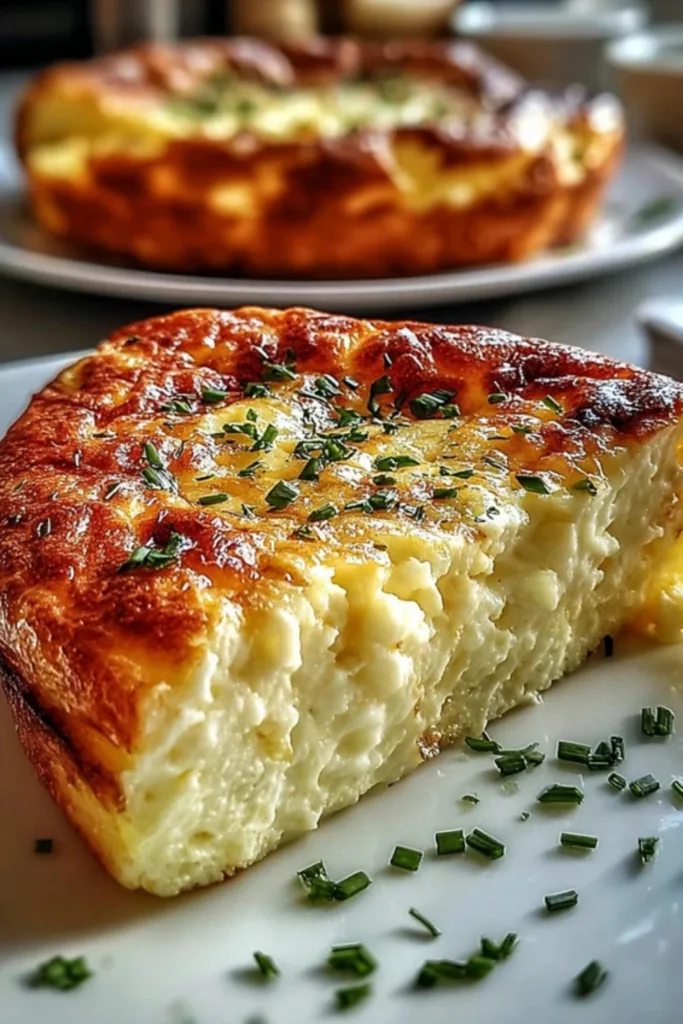
These eggs work as a standalone breakfast but pair beautifully with sides that add a different texture or a fresh element alongside the creamy, savory bake. Here are the combinations that work best:
- Avocado Bacon and Egg Toast alongside a portion of the egg bake creates a high-protein brunch spread that covers every texture from creamy to crispy without overlapping flavors.
- Protein Breakfast Loaded Hash Browns add a crispy, golden starch contrast that makes the whole meal feel more substantial for a weekend brunch plate.
- High Protein Breakfast Burritos work well alongside this bake in a weekly meal prep context when you want two different high-protein breakfast options ready to grab through the week.
- Buttery whole-grain toast is the simplest reliable pairing. The crunch and slight nuttiness contrast with the soft egg bake and rounds out the meal without requiring any extra prep.
- A fresh green salad dressed lightly with lemon and olive oil provides a clean, bright contrast to the richness of the parmesan and eggs, which works especially well when serving this at lunchtime.
- Roasted potatoes with fresh herbs turn this into a brunch plate worth having people over for, and both items cook at the same oven temperature and finish at roughly the same time.
Variations Worth Trying
Mediterranean style. Add chopped sun-dried tomatoes, sliced Kalamata olives, and crumbled feta alongside or in place of some of the parmesan for a briny, savory version that works well for weekend brunch.
Veggie-loaded version. Fold in diced bell peppers, baby spinach, and sliced mushrooms that have been briefly sauteed and drained before adding. Pre-cooking the mushrooms is important because raw mushrooms release a significant amount of moisture during baking.
Spicy version. Add a pinch of cayenne to the mixture before baking, or drizzle a small amount of hot sauce over the finished eggs after cutting. A thin line of sriracha across the top before serving adds heat and color at the same time.
Herb variations. Replace the chives with fresh dill, basil, or flat-leaf parsley for a completely different flavor direction. Fresh dill gives the eggs a bright, slightly tangy quality that pairs particularly well with the cottage cheese.
Individual ramekins. Divide the mixture among four individual ramekins instead of a single baking dish. Reduce the baking time to about 20 to 22 minutes and check for the same slight jiggle in the center before pulling from the oven.
If you enjoy recipes built around cottage cheese, this cottage cheese protein bowl and this high protein cottage cheese alfredo are two other ways to use the same ingredient across different meals throughout the day. For more egg-based breakfast options, these spinach egg muffins are a portable alternative, and these mushroom spinach scrambled eggs are a great fresh option when you want something made to order rather than baked ahead.
FAQs
Yes. Ricotta gives a similar creamy texture with a slightly milder, less tangy flavor. I recommend draining the ricotta briefly in a fine mesh strainer if it seems very wet before using, and the baking time stays the same.
The most common cause is undrained vegetables. Spinach, mushrooms, and zucchini all release significant moisture when heated. Always press spinach dry in a kitchen towel and pat other vegetables thoroughly with paper towels before folding them into the egg mixture.
Yes. Assemble the mixture the night before, cover the baking dish tightly, and refrigerate overnight. Bake straight from cold the next morning, adding about 5 minutes to the total baking time.

Fluffy Baked Cottage Cheese Eggs
Ingredients
Equipment
Method
-
Preheat the oven to 350 degrees F (175 degrees C). Grease an 8×8-inch baking dish thoroughly with butter or cooking spray.
-
In a large mixing bowl, combine the cottage cheese, eggs, and parmesan cheese. Whisk or mix with a fork until well combined. Some cottage cheese curds remaining is fine.
-
Stir in the chives, garlic powder, paprika, and a small amount of salt and pepper. Taste before adding more salt since parmesan contributes significant saltiness.
-
If using optional add-ins, fold them in now. Squeeze spinach dry in a kitchen towel and pat bell peppers dry with paper towels before adding to prevent a watery result.
-
Pour the mixture into the prepared baking dish.
-
Bake uncovered for 30 minutes until the edges are fully set and the center has just a slight jiggle when the dish is gently shaken.
-
Remove from the oven and let cool for 5 minutes before cutting and serving.