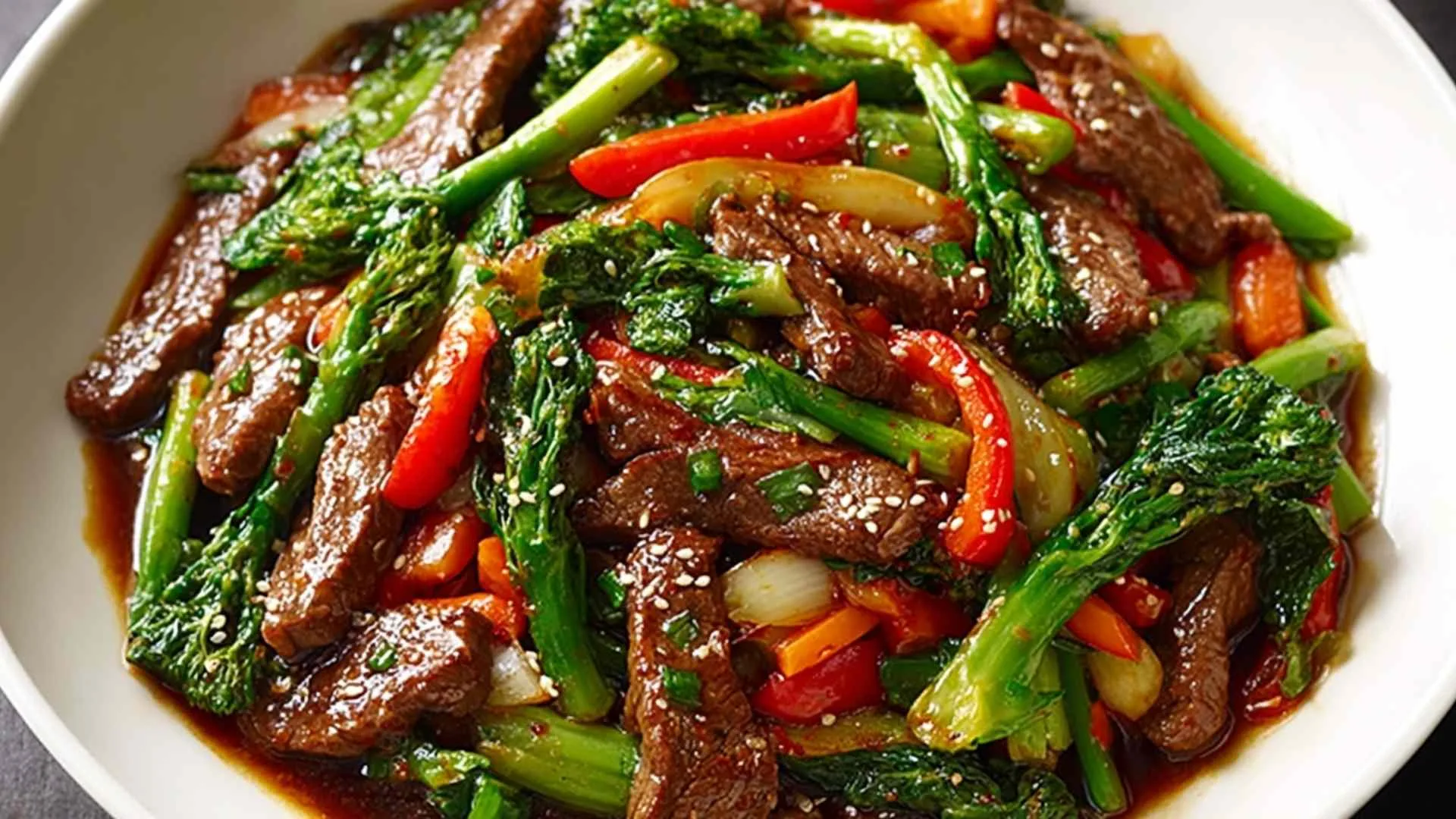
Beef stir fry with fresh vegetables is the recipe I reach for when the week gets hectic and I still want something real and satisfying on the table. I can still picture standing in my small Midwest kitchen on a Tuesday evening, the wok screaming hot, the smell of garlic and ginger hitting the air the second they touched the oil, my whole family wandering in from the living room asking what smelled so good. That moment right there is why this dish has earned a permanent spot in my weekly rotation.
Growing up, my grandmother cooked with a cast-iron skillet over high heat every single night, and she always said the secret was simple: good heat, fresh ingredients, and not overthinking it. This beef stir fry with fresh vegetables carries that same spirit. The beef comes out tender and juicy, the vegetables stay bright and crisp, and that savory-sweet sauce coats everything in the most satisfying way. You do not need a culinary degree or a special trip to the grocery store. You need 30 minutes and a hot pan. Your kitchen is about to smell incredible. Let us get cooking.
5 Reasons This Recipe Belongs in Your Weekly Rotation
After years of making this dish for my family and sharing it at potlucks and dinners, I can tell you it checks every single box a home cook could ask for. Here is why it belongs in your rotation:
- Ready in 30 minutes from fridge to fork, making it perfect for busy weeknight dinners
- Uses pantry staples you likely already have, including soy sauce, sesame oil, garlic, and honey
- Delivers bold, restaurant-quality flavor with a beautiful balance of savory, sweet, and slightly spicy
- Completely customizable with whatever vegetables are in season or sitting in your fridge
- Packed with 30 grams of protein per serving to keep everyone full and satisfied
- No blender, no fancy tools, just a wok or large skillet and a spatula
What Goes Into This Beef Stir Fry With Fresh Vegetables
Every ingredient in this recipe pulls its weight. Here is what you need and why it matters:
Beef (flank steak, sirloin, or ribeye): I always choose flank steak for this recipe. It is lean, flavorful, and slices beautifully thin. The most important thing is cutting against the grain, which breaks up the muscle fibers and gives you that tender, non-chewy bite every time.
Soy sauce: The backbone of the marinade. It delivers that deep umami richness that makes the beef taste like it has been cooking for hours. I prefer low-sodium to control the saltiness, but regular works fine.
Hoisin sauce: My secret weapon. It adds a subtle sweetness and body to the sauce that pulls the whole dish together. Think of it as the flavor bridge between the beef and the vegetables.
Sesame oil: Just one tablespoon transforms the whole dish. It has a rich, nutty aroma that is essential for that authentic stir fry flavor. Always add it to the marinade, not as your primary cooking oil since it has a lower smoke point.
Fresh garlic and ginger: Always fresh, never powdered. Minced garlic and grated ginger sauteed in a screaming hot wok create an aromatic base that infuses every bite with warmth and depth.
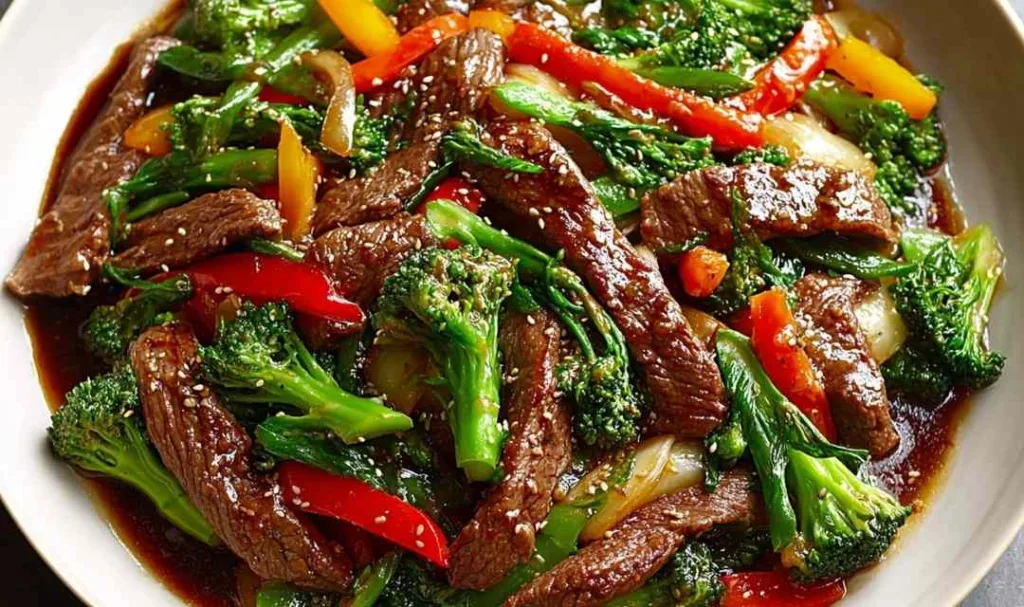
Bell pepper, broccoli, carrot, and snap peas: This colorful combination is my favorite. The bell pepper brings sweetness, broccoli offers a satisfying crunch, the carrot lends earthiness, and snap peas add a fresh, crisp pop.
Sesame seeds and green onions: These garnishes are more than decoration. The sesame seeds add a pleasant nutty texture, while the green onions bring a fresh brightness that lifts the entire dish right at the end.
Full Ingredient List
- 1 lb (450g) beef (flank steak, sirloin, or ribeye), thinly sliced against the grain
- 2 tablespoons soy sauce
- 1 tablespoon hoisin sauce
- 1 tablespoon sesame oil
- 1 tablespoon honey
- 2 garlic cloves, minced
- 1 teaspoon fresh ginger, grated
- 2 tablespoons vegetable oil, for stir frying
- 1 bell pepper, thinly sliced
- 1 cup broccoli florets
- 1 carrot, julienned
- 1/2 cup snap peas, ends trimmed
- 2 green onions, chopped, for garnish
- 1 tablespoon sesame seeds, optional, for garnish
- Steamed rice, optional, for serving
Equipment
- Wok or large skillet
- Sharp knife
- Cutting board
- Spatula
- Measuring spoons
How to Make Beef Stir Fry With Fresh Vegetables
I have learned that stir frying rewards preparation above everything else. Have every ingredient sliced, measured, and within arm’s reach before the wok heats up. Once you start, things move fast.
Step 1: Marinate the Beef
In a bowl, combine the thinly sliced beef with soy sauce, hoisin sauce, sesame oil, and honey. Toss well until every piece is evenly coated, then let it marinate for 15 minutes. Do not skip this step. It is what builds deep flavor and keeps the beef tender throughout cooking.
Step 2: Prep the Vegetables
While the beef marinates, slice the bell pepper into thin strips, separate the broccoli into small florets, julienne the carrot, and trim the ends off the snap peas. Having everything prepped and ready before the wok heats up is the single most important habit in stir fry cooking. Once that oil hits the heat, there is no time to grab a cutting board.
Step 3: Heat the Wok
Place your wok or large skillet over high heat and let it get very hot before adding the vegetable oil. Swirl to coat the surface. You want the oil shimmering but not smoking. Through years of making this dish, I learned that a cold or lukewarm wok ruins a stir fry every time. The high heat is what creates that restaurant-quality sear and keeps the vegetables crisp rather than steamed.
Step 4: Sear the Beef
Add the marinated beef in a single layer and let it sear without stirring for about 60 seconds. That undisturbed contact with the hot surface is what creates a gorgeous browned crust. Then stir and cook for another 1 to 2 minutes until browned all the way through. Remove and set aside on a plate. If your pan is not large enough, cook the beef in two batches rather than crowding it.
Step 5: Build the Aromatics
In the same hot wok, add a touch more vegetable oil if needed, then add the minced garlic and grated ginger. Saute for exactly 30 seconds, stirring constantly. Watch carefully here. Garlic burns fast and bitter garlic will ruin the whole dish. You want it fragrant and golden, not dark.
Step 6: Stir Fry the Vegetables
Add the bell pepper, broccoli, carrot, and snap peas all at once. Stir fry on high heat for 3 to 5 minutes, keeping everything moving with your spatula. The vegetables should come out bright, vibrant, and just tender-crisp, not soft or faded. If the color goes dull, they have cooked too long.
Step 7: Combine Everything
Return the seared beef to the wok and toss everything together for 1 to 2 minutes until heated through and well combined. Taste here and adjust with a small pinch of salt or pepper if needed. The sauce from the marinade will coat everything beautifully at this stage.
Step 8: Garnish and Serve
Remove from heat immediately and scatter the chopped green onions and sesame seeds over the top. Serve hot over steamed rice or noodles. This dish is best enjoyed the moment it comes off the heat when the vegetables are still crisp and the beef is at its most tender.
Important Notes for the Best Results
Slicing the beef: Always slice against the grain, meaning perpendicular to the muscle fibers running through the meat. This shortens the fibers and produces tender, easy-to-chew pieces. Slicing with the grain results in tough, stringy beef.
Gluten-free option: Substitute tamari for soy sauce and make sure your hoisin sauce is certified gluten-free. Several brands offer this and it works perfectly in this recipe.
Using frozen vegetables: Frozen vegetables work fine. Thaw them completely and pat them very dry with paper towels before adding to the wok. Excess water causes steaming instead of searing and will make your vegetables soft and watery.
Tips for Getting This Right Every Time
- Prep every ingredient before the wok heats up. Stir frying moves fast and there is no time to prep mid-cook
- Do not overcrowd the pan. If the beef is piled on top of itself it will steam instead of sear. Cook in batches if needed
- Keep the heat high throughout. Lower heat means soggy vegetables and grey beef instead of a proper sear
- Taste and adjust at the end. A tiny pinch of salt or an extra splash of soy sauce can make a big difference
How to Store and Reheat Leftovers
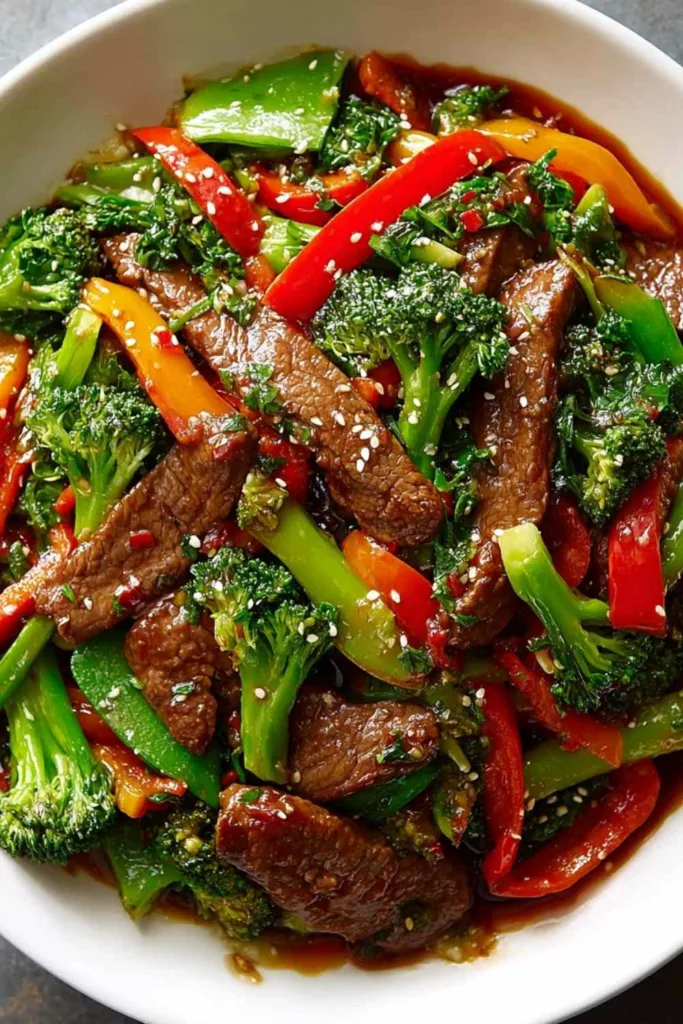
One of the things I love most about this recipe is how well it holds up the next day. I store leftovers in a glass airtight container in the refrigerator where they stay fresh and delicious for up to 3 days. The flavors actually deepen overnight, making the next day’s lunch something to look forward to.
For longer storage, this stir fry freezes well for up to 2 months. Portion it into single-serving freezer bags, press out all the air before sealing, and thaw overnight in the refrigerator for the best texture.
For reheating, a skillet over medium heat with a small splash of water or broth is my preferred method. It revives the sauce and keeps the beef from drying out. The microwave works when you are in a hurry. Use 60-second intervals and stir between each until the dish is steaming hot throughout.
What to Serve With Beef Stir Fry With Fresh Vegetables
This dish is wonderfully versatile when it comes to building a full meal. Here are my favorite ways to serve it:
- Steamed jasmine rice, the classic pairing that soaks up every drop of the savory sauce
- Fried rice for a heartier, more indulgent option the whole family loves
- Rice noodles or lo mein tossed right into the wok at the end for an all-in-one noodle bowl
- Cauliflower rice or quinoa for a lighter, lower-carb alternative that still works beautifully
If you love bold Asian-inspired flavors like this one, here are a few more recipes from my kitchen you will want to bookmark:
- Easy Chinese Beef and Broccoli for another classic beef and vegetable combination with a rich, glossy sauce that comes together in under 30 minutes.
- Chicken Zucchini Stir Fry is a lighter stir fry that uses the same quick wok technique and works great for meal prep.
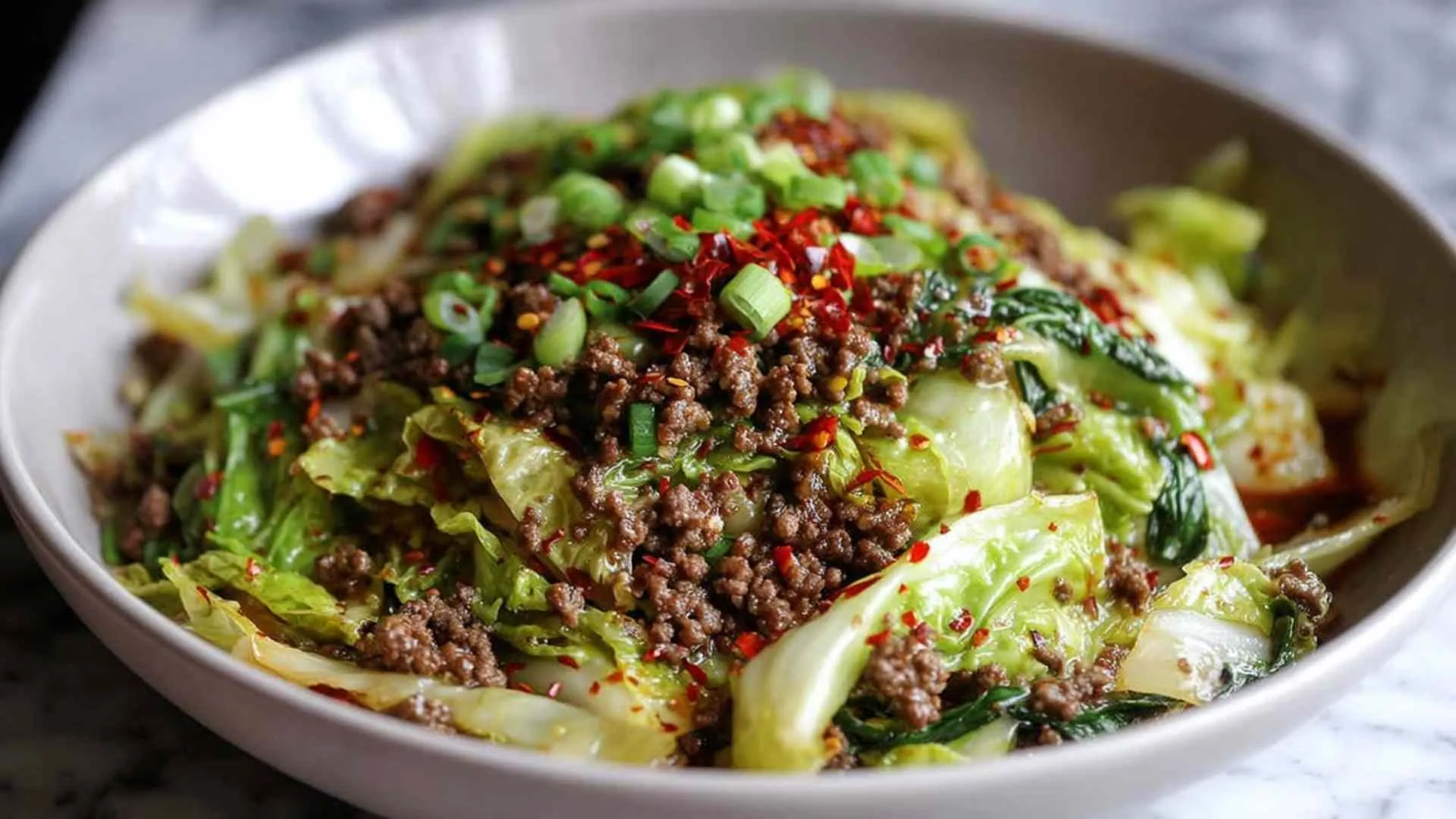
- Korean Ground Beef Bowl is a weeknight staple in my house, loaded with bold flavors and ready in 20 minutes.
- Beef and Broccoli Ramen Stir Fry takes the classic stir fry concept and adds chewy ramen noodles for a deeply satisfying high-protein dinner.
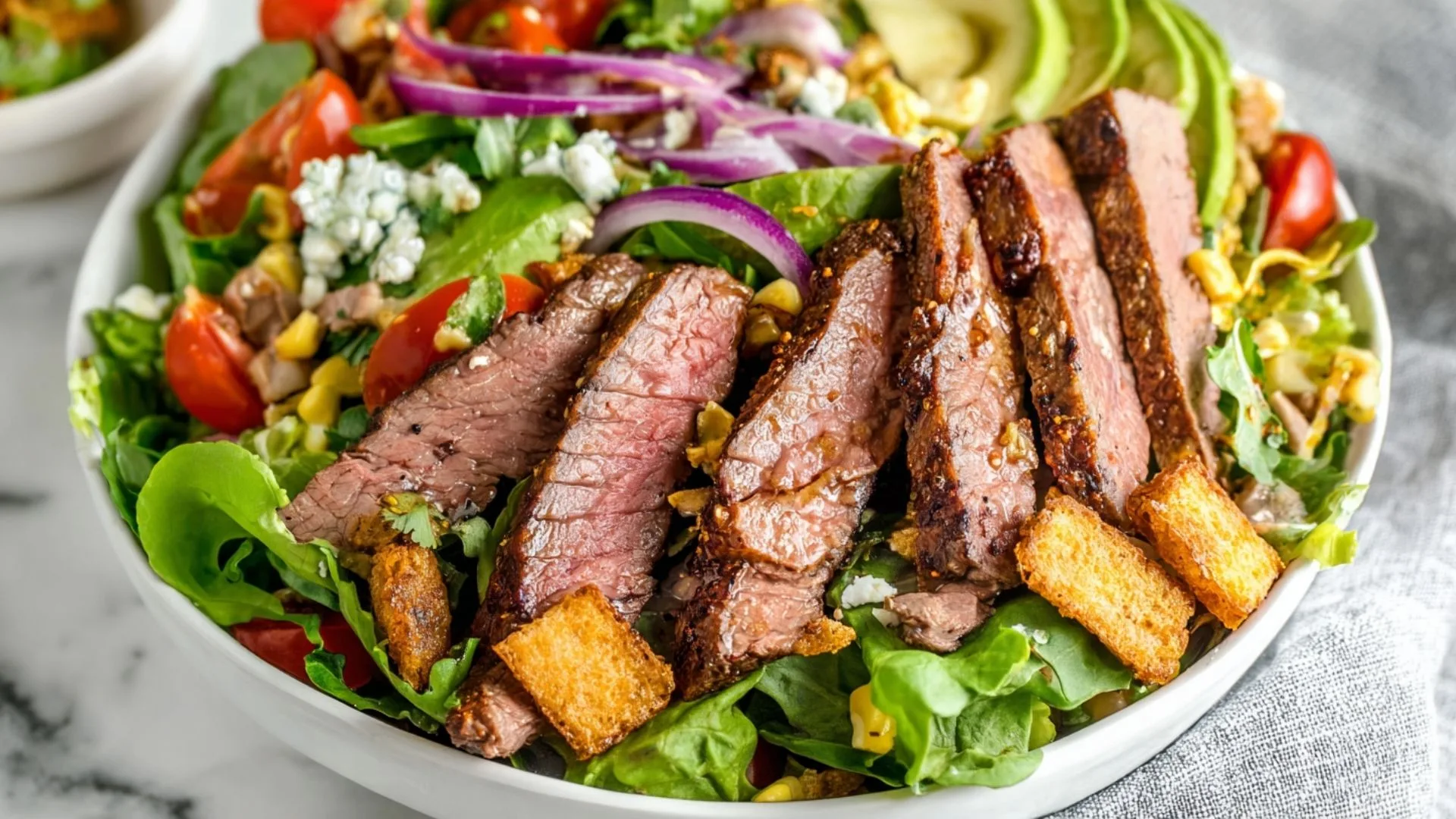
- For a completely different take on a fast weeknight dinner, try my Sheet Pan Steak and Veggies, which uses the oven to do all the work with minimal cleanup.
FAQs
Flank steak is my top recommendation because it is lean, full of flavor, and slices beautifully thin. Sirloin and ribeye also work well. The cut matters less than the technique: always slice thin and always cut against the grain.
You can marinate the beef and prep all the vegetables up to 24 hours ahead, storing them separately in the refrigerator. The actual stir frying takes less than 15 minutes once everything is prepped, which makes it a great meal-prep friendly dinner option.
Soggy vegetables almost always come from two causes: the heat is too low, or the pan is too crowded. A stir fry needs screaming hot heat to sear rather than steam. If you have a lot of vegetables, cook them in two batches and combine at the end.
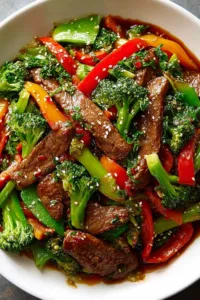
Beef Stir Fry With Fresh Vegetables
Ingredients
Equipment
Method
- In a bowl, combine beef with soy sauce, hoisin sauce, sesame oil, and honey. Toss well to coat every piece and let marinate for 15 minutes.
- Prep all vegetables: slice bell pepper into thin strips, separate broccoli into small florets, julienne the carrot, and trim the snap peas.
- Heat vegetable oil in a wok or large skillet over high heat until shimmering. Add marinated beef in a single layer and sear without stirring for 60 seconds, then stir and cook for another 1 to 2 minutes until browned. Remove and set aside.
- In the same wok, add garlic and ginger and saute for 30 seconds, stirring constantly, until fragrant and golden.
- Add bell pepper, broccoli, carrot, and snap peas. Stir fry on high heat for 3 to 5 minutes until tender-crisp and vibrant in color.
- Return the beef to the wok. Toss everything together and heat through for 1 to 2 minutes. Taste and season with salt and pepper if needed.
- Garnish with chopped green onions and sesame seeds. Serve hot over steamed rice or noodles.