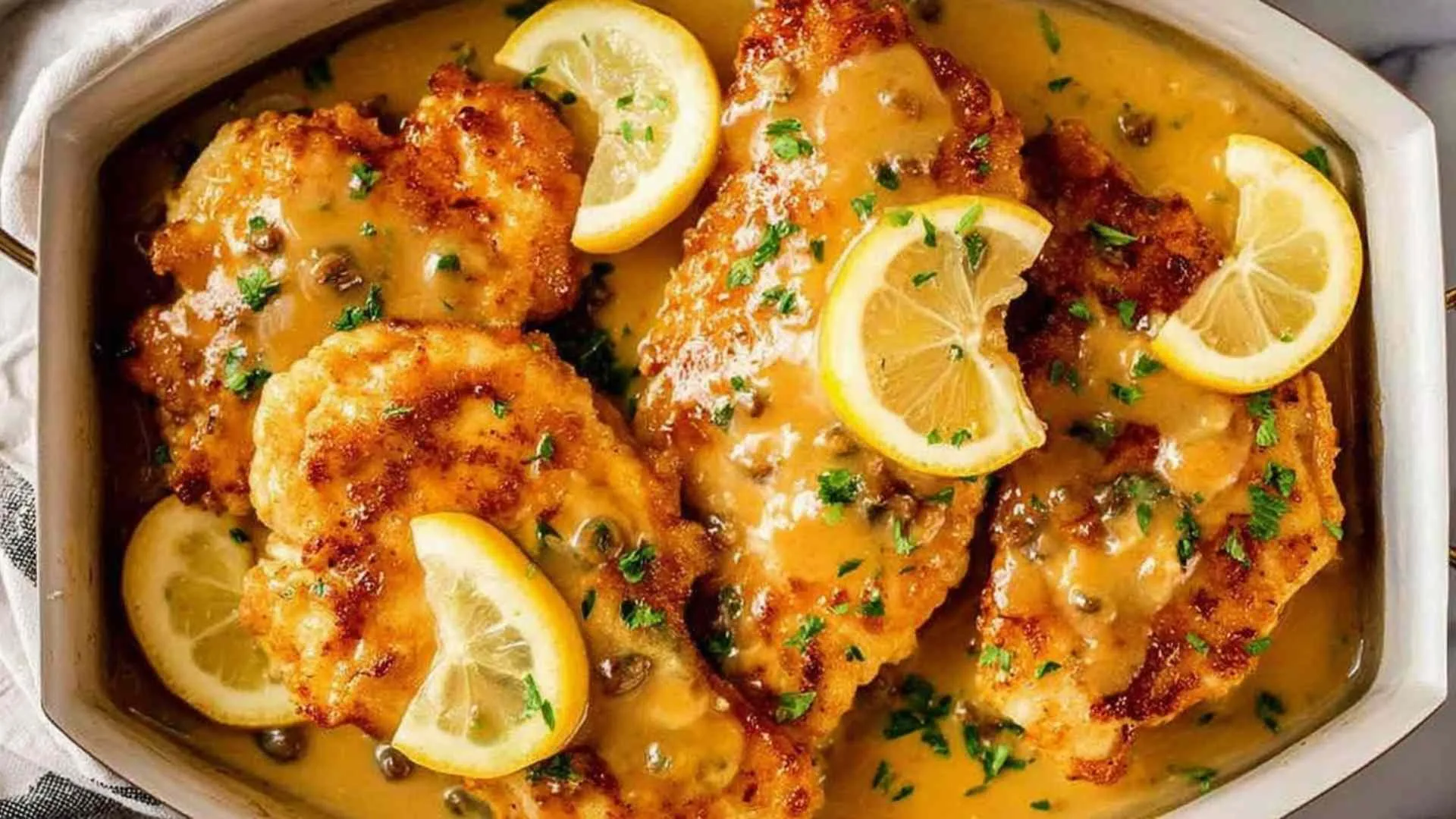
Chicken Francese is one of those Italian-American classics that looks like it came straight out of a fine restaurant, but I promise you, it is shockingly simple to pull off right in your own kitchen. I still remember the first time I made this for my family on a rainy Sunday evening. The kitchen smelled of sauteed chicken, melted butter, and white wine, and by the time I spooned that glossy lemon sauce over the golden cutlets, my daughter had already pulled up a chair before I even called everyone to the table.
There is something almost magical about a dish this elegant that comes together in just 25 minutes. No cream, no fuss, no fancy technique, just a handful of pantry staples and a little patience at the stove. In my kitchen, Chicken Francese has become the recipe I turn to when I want to feel like I have done something truly special for the people I love, without spending the whole afternoon cooking. Your kitchen is about to smell incredible, so let us get into it.

Why You Will Love This Chicken Francese Recipe
I have been cooking pan-fried chicken dishes for decades, and what sets Chicken Francese apart every single time is that beautiful combination of a golden, egg-dredged crust meeting a velvety, thickened wine sauce. It never gets old.
Here is why this recipe earns its permanent place in your weekly rotation. It delivers restaurant quality from your home kitchen without a culinary degree or expensive equipment. It is ready in just 25 minutes from start to finish, making it a weeknight dinner that does not sacrifice flavor for speed. The sauce is built without heavy cream, so it stays light, bright, and flavorful without feeling rich or heavy. Unlike many versions that go overboard with citrus, this recipe delivers a gentle lemon brightness that complements rather than overpowers. The flour-thickened white wine sauce clings to every bite of chicken perfectly, just like it should. And you only need simple pantry ingredients: chicken breasts, eggs, flour, butter, and a splash of white wine.
Key Ingredients and What They Do
Understanding what each ingredient does makes you a better cook and helps you confidently make smart substitutions when needed.
Chicken breasts are the traditional choice for Chicken Francese. I always reach for large ones, around 8 to 10 oz each, so that when you slice them in half horizontally, each piece is a generous, satisfying portion. Boneless thighs work beautifully too; just pound them to an even thickness first.
Eggs and milk create the batter that gives Chicken Francese its signature golden crust. Dipping in flour first is the key because it helps the egg adhere and creates that slightly crispy exterior that soaks up the sauce so perfectly.
All-purpose flour does double duty here. It coats the chicken before the egg dip, and it is also used to build the roux that thickens the sauce into that gorgeous, syrupy consistency.
Chardonnay is my go-to for this recipe. It is a workhorse cooking wine with a flavor that works beautifully in white wine sauces. I keep a discounted bottle on hand specifically for cooking. You do not need anything fancy. If you prefer no alcohol, simply swap in non-alcoholic white wine, or replace it with 2 to 3 tablespoons of fresh lemon juice. If you enjoy cooking with white wine, my Chicken in White Wine Sauce is another great recipe to explore.
Unsalted butter is the heart of the sauce. It adds richness and that velvety, restaurant-quality finish that makes you want to mop the plate clean with a piece of bread.
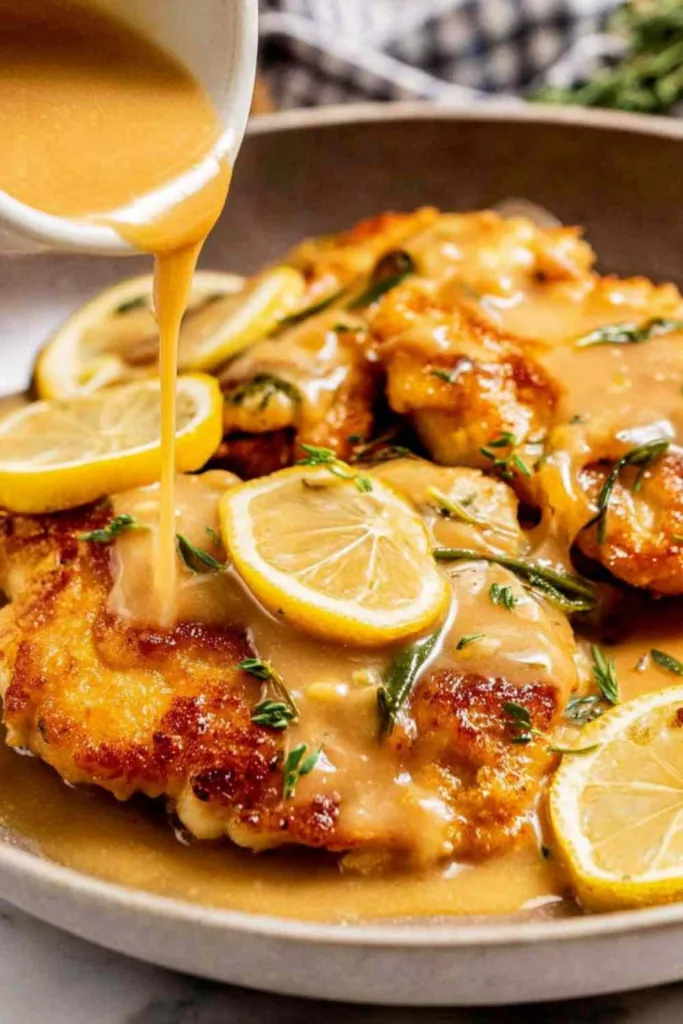
Lemon slices pan-fried right in the chicken drippings are the step that makes Chicken Francese uniquely itself. Those lemon rounds absorb the fond (the flavorful browned bits left behind by the chicken), then release all of that goodness back into the sauce. Do not skip it.
Low-sodium chicken stock gives the sauce its body and savory depth. I always choose low-sodium so I can control the saltiness myself.
How to Make Chicken Francese
Step 1. Cut each chicken breast in half horizontally so you have 4 thin, even cutlets. This is the foundation of even cooking, and it makes all the difference.
Step 2. Whisk the eggs and milk together in a small bowl and set it aside. Meanwhile, mix the flour, salt, and black pepper together on a flat plate.
Step 3. Dredge each cutlet through the flour mixture, shaking off any excess, and set them aside on a clean plate. This flour coating is what helps the egg grip the chicken.
Step 4. Heat the olive oil in a large nonstick pan over medium-high heat until shimmering.
Step 5. Dip each floured cutlet into the egg mixture, let the excess drip off for a second or two, then lay it straight into the hot pan. Cook for 3 minutes until deeply golden. Flip, reduce the heat to medium, and cook for another 4 minutes until cooked through (internal temp 155 degrees F). Remove to a plate.
Step 6. Add the lemon slices to the same pan and cook for about 1 minute per side until they soften and pick up a little color. Remove to a plate. This step is what makes Chicken Francese truly shine, so never rush it.
Step 7. Wipe the pan clean with paper towels to remove the black bits without losing the lovely cooking flavors clinging to the pan‘s surface.
Step 8. Over medium heat, melt the butter in the wiped pan. Add the flour and stir constantly for 1 minute to cook out the raw flour taste. This is your roux, the base of the sauce.
Step 9. While stirring, slowly pour in half the chicken stock. Keep stirring until the roux is fully dissolved before adding the remaining stock, wine, and salt. This technique keeps your sauce lump-free.
Step 10. Raise the heat slightly and let the sauce simmer for 3 to 4 minutes, stirring occasionally, until it reaches a maple syrup-like consistency. Return the chicken and lemon slices to the pan, spoon the sauce generously over everything, and simmer for 30 seconds to warm through. Sprinkle with parsley and serve immediately.
What to Serve with Chicken Francese
That silky white wine lemon sauce is too good to waste, so pair this dish with something that can soak it all up beautifully. Here are my favorite options:
Creamy Mashed Potatoes are the classic pairing. That sauce pooling into buttery mash is one of life’s great pleasures.
Steamed white rice is simple, reliable, and perfect for catching every drop of sauce.
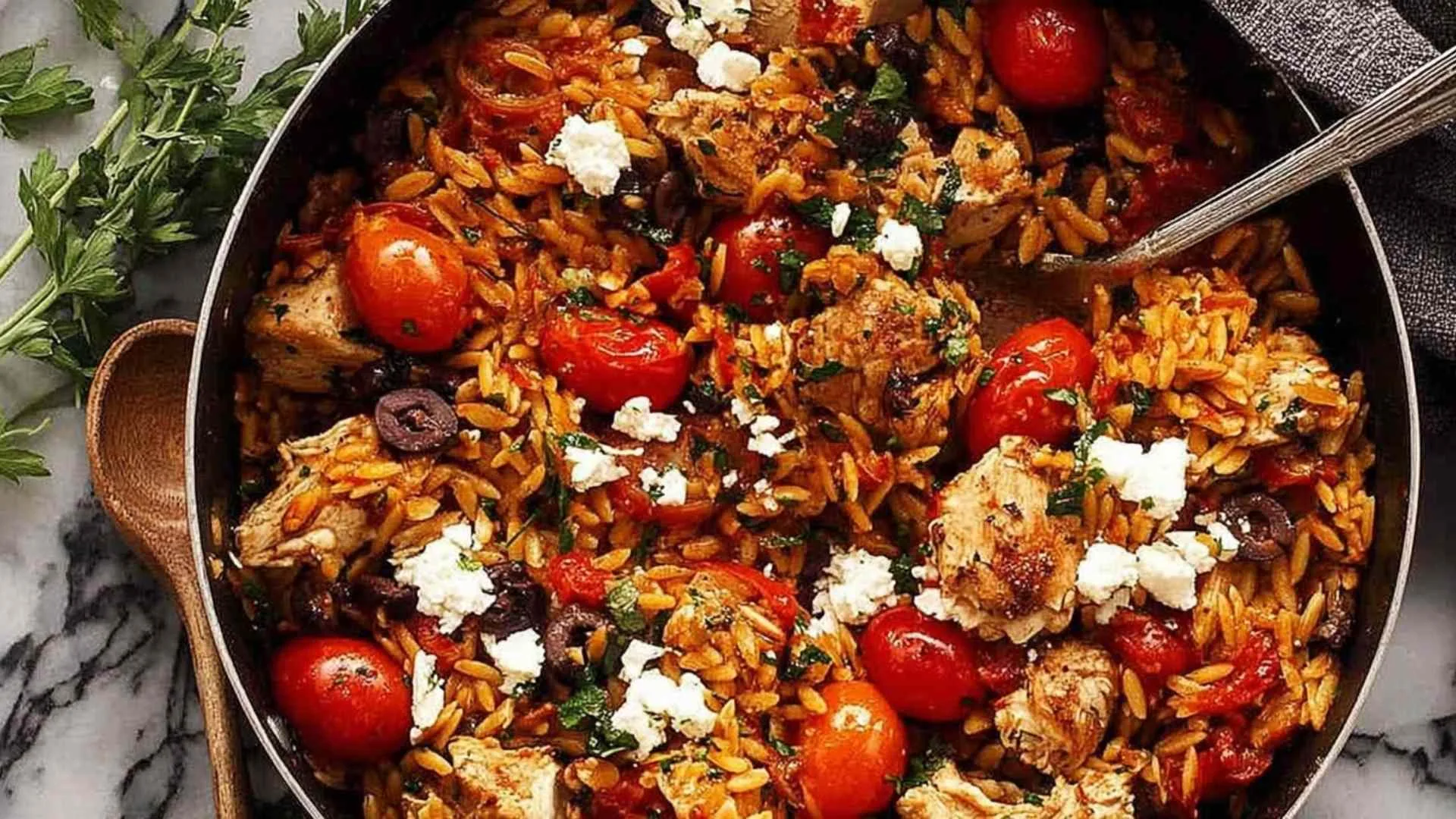
Creamy Parmesan Orzo is a wonderful Italian-leaning option that feels cohesive with the dish’s heritage. Simply prepare the orzo without the shrimp and serve it alongside.
Pan-Seared Asparagus adds freshness and a touch of char. Drizzle with olive oil, season with salt and pepper, and sear while the sauce simmers.
Easy Honey Glazed Carrots and Green Beans make a bright, colorful side that complements the lemony sauce.
Crusty bread is sometimes the best pairing of all. A thick slice of good bread for unashamed sauce-mopping never disappoints.
Tips for Best Results
Dredge in flour before dipping in egg. This helps the egg coating cling properly and gives the crust a slight crispiness that holds up in the sauce.
Do not skip wiping the pan. Removing the black bits ensures a clean, beautiful sauce with no bitterness.
Cook the lemon slices until softened. This maximizes the flavor they release into the finished sauce.
Aim for a maple syrup consistency when thickening the sauce before adding the chicken back in. If it seems too thin, keep simmering.
Storing and Reheating
If you happen to have leftovers, Chicken Francese stores quite well for a short time. Transfer the chicken and sauce into an airtight container and refrigerate for up to 3 days. Keep in mind the egg crust will soften as it sits in the sauce, but the flavor only gets better overnight.
For reheating, go low and slow on the stovetop with a splash of chicken stock to loosen the sauce back up. This keeps the chicken moist and prevents the sauce from breaking. Avoid the microwave if you can, as it tends to make the chicken rubbery and the sauce greasy.
This dish is not ideal for freezing. The egg-battered crust turns soft and loses its texture once frozen and thawed. Make it fresh and enjoy it the same day for the best results.
Frequently Asked Questions
Absolutely. Boneless, skinless chicken thighs work wonderfully in this recipe. Pound them to an even thickness so they cook evenly and develop a nice flat surface for the egg coating to cling to.
No worries at all. Simply leave out the wine and add 2 to 3 tablespoons of fresh lemon juice to the sauce instead. You will get a brighter, more citrus-forward sauce that is equally delicious.
Stir constantly while pouring the chicken stock in slowly. Add just half first, stir until fully smooth, then add the rest. If lumps do sneak in, a quick pass with a whisk across the surface usually fixes it, or strain the sauce as a last resort.
Chicken Francese
Ingredients
Equipment
Method
-
Cut each chicken breast in half horizontally to form 4 thin steaks total.
-
Whisk the eggs and milk together in a small bowl and set aside.
-
Mix flour, salt, and pepper on a flat plate. Coat each chicken piece in the flour, shaking off the excess, then set aside on a clean plate.
-
Heat the olive oil in a large nonstick pan over medium-high heat until shimmering.
-
Dip each cutlet in the egg mixture, allow the excess to drip off, then place into the hot pan. Cook for 3 minutes until golden. Flip, reduce heat to medium, and cook for 4 more minutes until cooked through (internal temp 155 degrees F). Remove onto a plate.
-
Add the lemon slices to the same pan. Cook for about 1 minute until softened or lightly browned, then flip and cook the other side for 30 seconds. Remove onto a plate.
-
Wipe the pan clean using paper towels to remove the black bits.
-
Still on medium heat, melt the butter in the pan. Add flour and stir for 1 minute with a wooden spoon. While stirring, slowly pour in half the chicken stock. Once dissolved, stir in the remaining stock, wine, and salt.
-
Raise the heat slightly and simmer for 3 to 4 minutes, stirring occasionally, until the sauce thickens to a maple syrup-like consistency.
-
Return the chicken and lemon slices to the pan. Spoon the sauce generously all over the chicken and simmer for 30 seconds to warm through. Sprinkle with parsley and serve immediately.