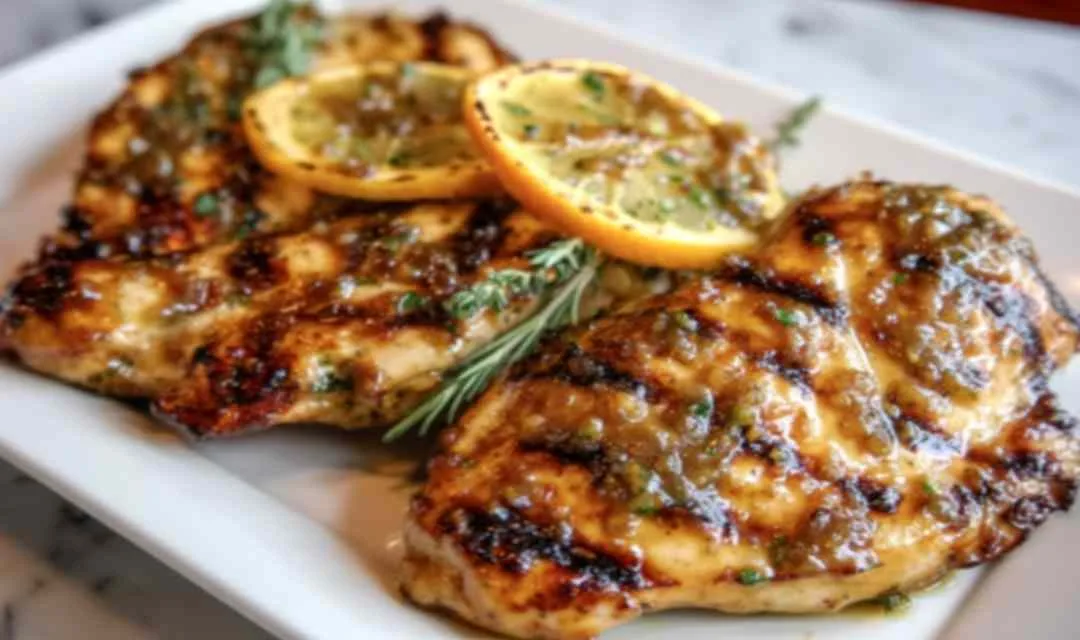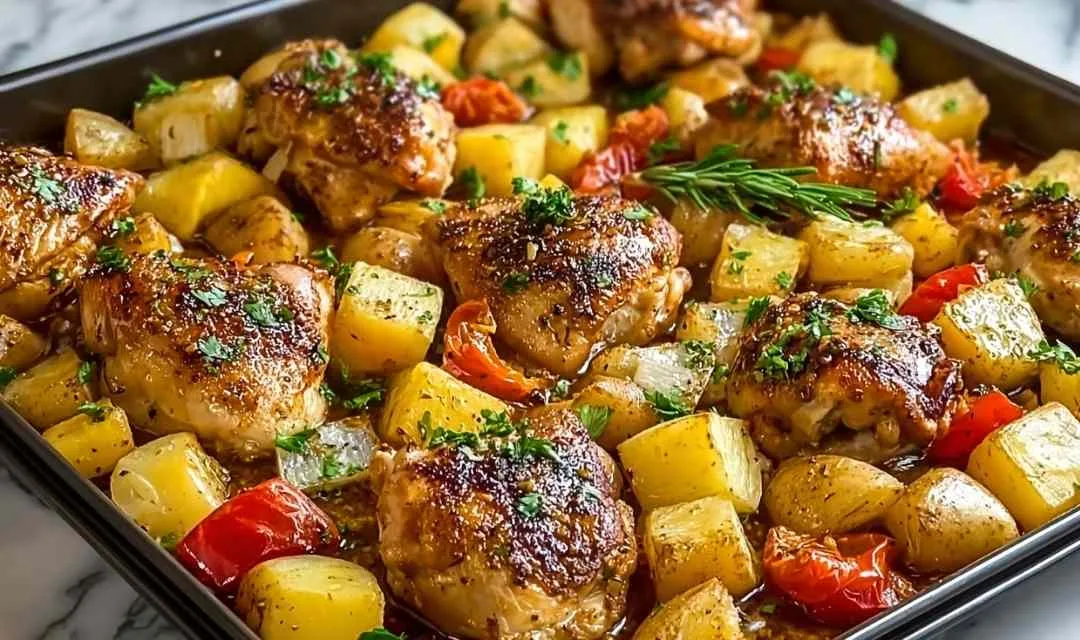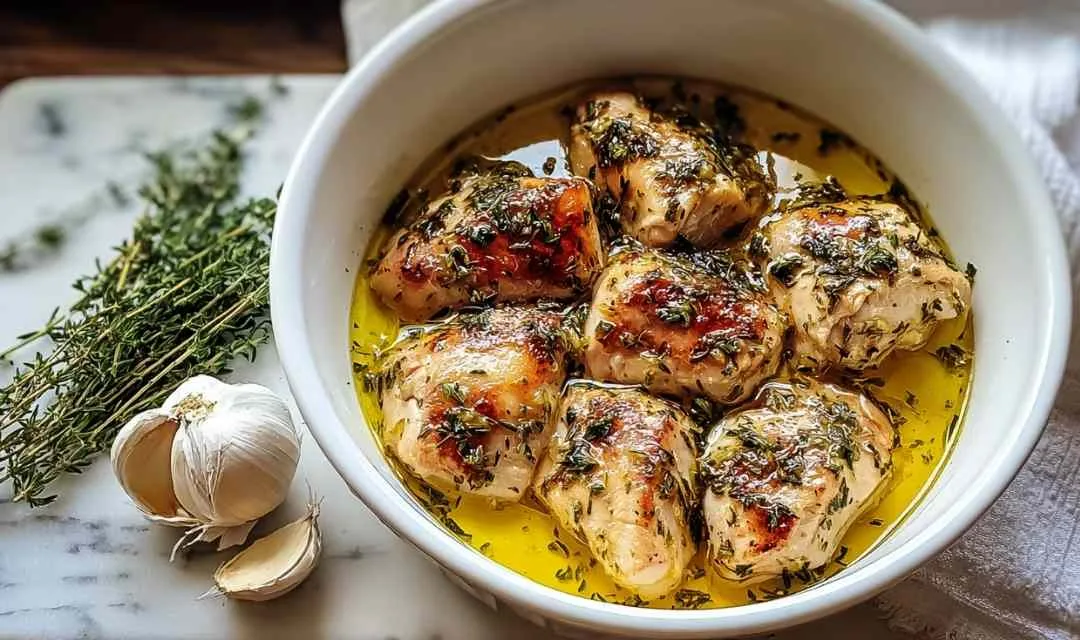
Greek chicken marinade brings bright, zesty Mediterranean flavors to your table with just a handful of pantry staples. I learned this recipe years ago from a friend whose family came from Crete, and it’s been a summer staple in my kitchen ever since.
There’s something magical about the way lemon and oregano blend together. It reminds me of those warm evenings on my back porch when the whole neighborhood could smell chicken sizzling on the grill. My grandmother always said the best recipes are the ones you can make with your eyes closed, and this marinade fits that bill perfectly. The garlic gets mellow and sweet, the herbs bloom in the olive oil, and that fresh lemon juice? It’s like bottled sunshine. I’ve made this for countless Sunday dinners, potlucks, and weeknight meals when I needed something reliable and delicious. Your kitchen’s about to smell incredible!
Why This Greek Chicken Marinade Belongs in Your Recipe Box
This marinade has earned its permanent spot in my recipe collection, and I think you’ll understand why after the first bite. It’s one of those recipes that looks fancy but comes together faster than you can preheat your grill, and that’s the kind of cooking I love most.
Here’s what makes this Greek marinade so dependable:
- Uses ingredients you likely have on hand: olive oil, lemons, garlic, and dried herbs from your spice rack
- Works with any cut of chicken: breasts, thighs, drumsticks, or kebab chunks all turn out beautifully
- Delivers consistent, crowd-pleasing flavor every single time without fussy techniques
- Adapts to multiple cooking methods: grill it, bake it, or pan-sear depending on your mood and weather
- Makes meal prep a breeze since the chicken can marinate overnight for deeper flavor
- Brings restaurant-quality taste to your backyard without any special equipment
I’ve served this at family gatherings where picky eaters and adventurous ones alike cleaned their plates. That’s the real test of a good recipe in my book.
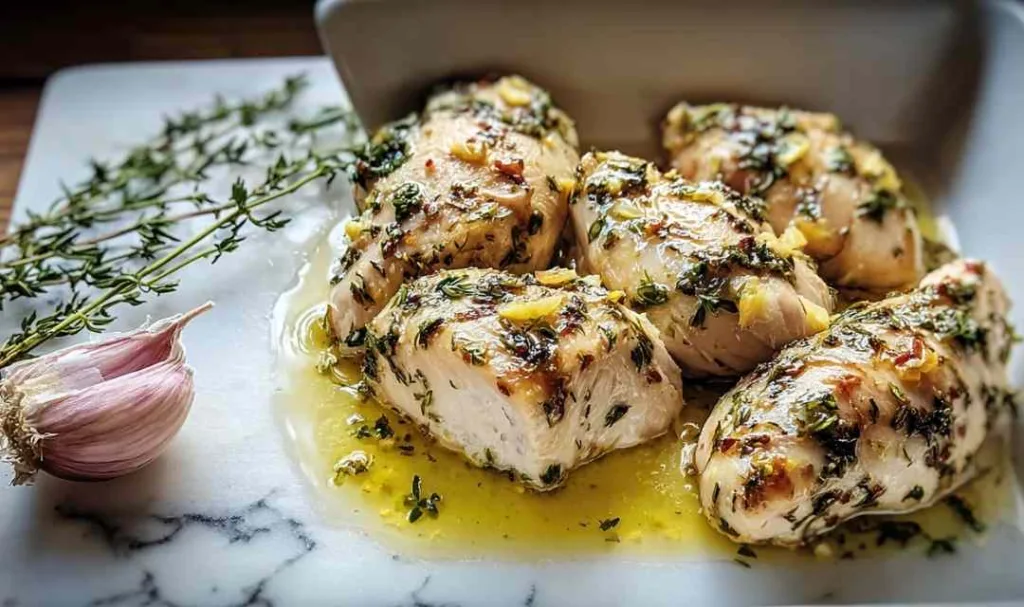
Ingredient Spotlight
Extra virgin olive oil forms the flavorful base that carries all the herbs and aromatics into the chicken while keeping it moist during cooking. I always choose a good quality olive oil here since it really shines through in the final dish.
Fresh lemon juice and zest provide that essential bright, tangy flavor that defines Greek cuisine. The zest adds aromatic oils while the juice tenderizes the meat beautifully. In my kitchen, I prefer using fresh lemons over bottled juice because the flavor difference is remarkable.
Garlic cloves bring pungent, savory depth that mellows and sweetens as the chicken cooks, creating those irresistible caramelized bits. I’ve found that mincing the garlic finely helps it distribute evenly throughout the marinade.
Dried oregano delivers that classic Mediterranean herbal note that instantly transports you to a Greek taverna. It’s the signature flavor you’ll recognize immediately. Betty always kept Greek oregano specifically for this recipe because it has a more robust flavor than the Italian variety.
Dried thyme adds an earthy, slightly minty undertone that complements the oregano without overpowering the lemon’s brightness. After years of making this, I learned that thyme helps round out the herb profile beautifully.
Sea salt and black pepper enhance all the other flavors while seasoning the chicken perfectly from the inside out during the marinating process. The key I discovered is not to skimp on these since they make everything else taste better.
Dijon mustard acts as an emulsifier to help the oil and lemon juice blend together smoothly while adding a subtle tangy complexity. I typically add this because it keeps the marinade from separating in the bag.
How to Make Greek Chicken Marinade
Step 1. I always start by prepping the lemon first. Zest one lemon directly into your bowl, then juice both lemons to get about 1/4 cup of fresh juice. Betty’s tip: roll the lemons on the counter with your palm before cutting to release more juice.
Step 2. Peel and mince your garlic cloves finely so they distribute evenly throughout the marinade without any large chunks. I’ve learned that letting the minced garlic sit for a few minutes actually enhances its flavor.
Step 3. In a medium bowl, whisk together the olive oil, lemon juice, lemon zest, minced garlic, oregano, thyme, salt, pepper, and Dijon mustard until the mixture looks slightly creamy and emulsified.
Step 4. Place your chicken pieces in a large resealable plastic bag or shallow glass dish. I prefer the bag method because you can massage the marinade around easily. Pour the Greek chicken marinade over the chicken, making sure every piece gets well coated.
Step 5. Seal the bag tightly (squeezing out excess air) or cover your dish with plastic wrap, then refrigerate for at least 1 hour or up to 24 hours. Through trial and error, I learned that even 30 minutes makes a difference, but overnight gives you the deepest flavor.
Step 6. Before cooking, remove the chicken from the fridge and let it sit at room temperature for about 20 minutes. This ensures even cooking throughout. My family prefers when I remember this step because the chicken stays juicier.
Step 7. Remove the chicken from the marinade and cook using your preferred method: grill over medium-high heat for 10-15 minutes, bake at 400°F for 20-25 minutes, or pan-sear in a hot skillet. I’ve found that using a meat thermometer to check for 165°F internal temperature gives you perfect results every time.
Step 8. Let the cooked chicken rest for 5 minutes before serving. This allows the juices to redistribute throughout the meat. Betty always finishes with a sprinkle of fresh parsley or dill for that restaurant-quality presentation.
Storage and Reheating Tips
I typically store leftover cooked Greek chicken in an airtight container in the refrigerator where it stays fresh for 3 to 4 days. The flavors actually deepen overnight, making next-day lunches something to look forward to. Betty’s method involves layering the chicken pieces with parchment paper between them to prevent sticking.
For longer storage, this chicken freezes beautifully for up to 3 months when wrapped tightly in plastic wrap and then placed in a freezer-safe bag. I’ve found that slicing the chicken before freezing makes it easier to thaw just the amount you need for quick meals. Be sure to label your package with the date and contents.
When reheating, I prefer using the oven at 350°F for about 10 to 15 minutes covered with foil to prevent drying out. For the best texture, I reheat by adding a tablespoon of chicken broth or water to the dish before covering. The microwave works in a pinch: use 50% power for 2 to 3 minutes, checking frequently, but the oven method keeps that tender, juicy quality we all love.
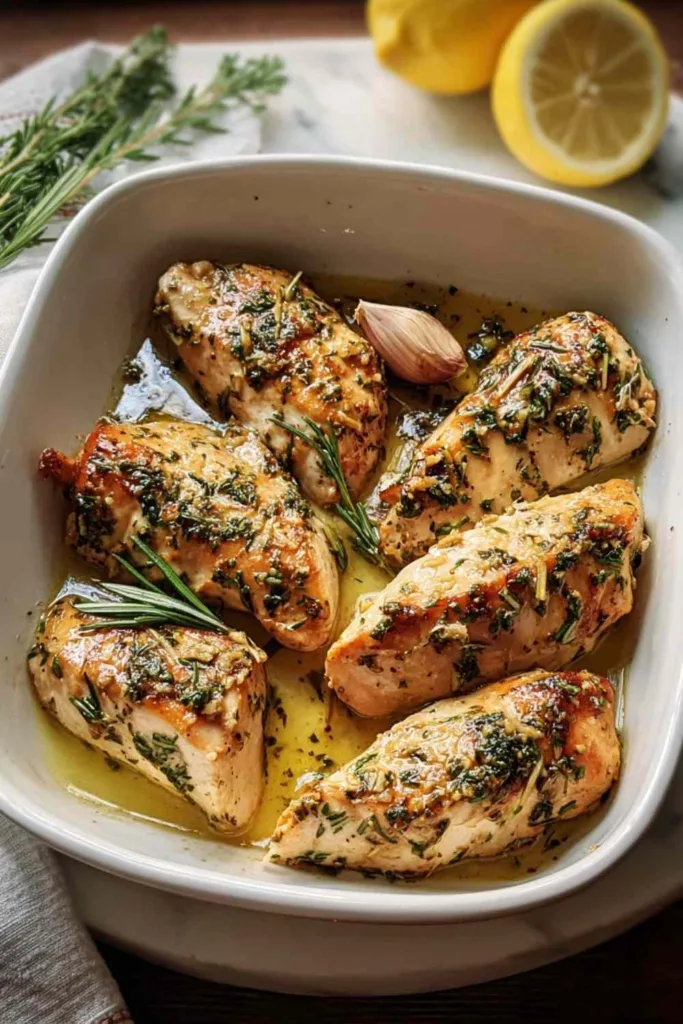
Perfect Partners for Greek Chicken
Greek salad with tomatoes, cucumbers, red onion, feta, and olives provides cool, crisp contrast to the warm, herb-infused chicken while echoing those Mediterranean flavors. The tangy feta and briny olives are natural companions.
Roasted lemon potatoes soak up any extra marinade and juices from the chicken, creating crispy edges with fluffy centers that everyone fights over at the dinner table.
Tzatziki sauce adds creamy, cooling cucumber-yogurt refreshment that balances the bright acidity of the lemon marinade. Drizzle it generously over everything. Try this authentic chicken curry for another flavorful chicken dish that pairs well with cooling yogurt-based sauces.
Warm pita bread turns this into a complete meal, perfect for making wraps or soaking up those delicious pan juices that you definitely don’t want to waste.
Grilled vegetables like zucchini, bell peppers, and eggplant complement the chicken’s char and can be seasoned with the same marinade for a cohesive, colorful plate. For more chicken and veggie combinations, check out this lemon garlic butter chicken with green beans.
Couscous or rice pilaf provides a neutral, fluffy base that lets the bold Greek flavors shine while adding heartiness to round out the meal. If you enjoy rice dishes, you might also like this one-pan honey BBQ chicken and rice.
FAQs
I recommend sticking with fresh lemon juice because the flavor is significantly brighter and more vibrant. Bottled juice often tastes flat and can make your marinade bitter.
To get the best flavor penetration, marinate for at least 1 hour, though I find that 4 to 6 hours hits the sweet spot. Betty’s solution is to prep it in the morning for dinner that evening.
Never reuse marinade that’s touched raw chicken due to food safety concerns. Many home cooks find success with setting aside a small portion before adding the chicken if they want extra sauce for drizzling.
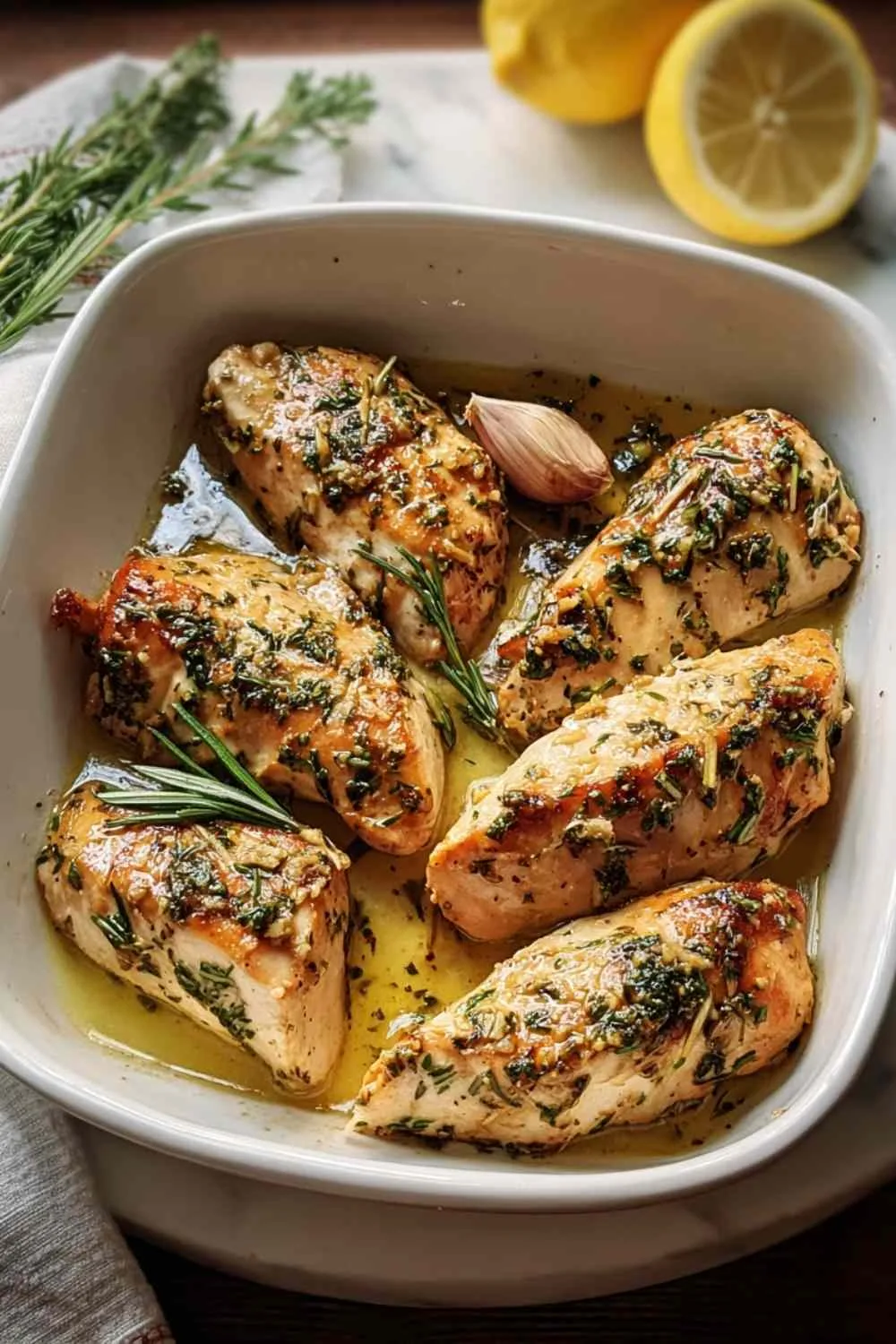
Ingredients
Equipment
Method
- Zest one lemon directly into a medium bowl, then juice both lemons to yield about 1/4 cup of fresh juice. Peel and finely mince the garlic cloves.
- In the bowl, whisk together the olive oil, lemon juice, lemon zest, minced garlic, dried oregano, thyme, salt, pepper, and Dijon mustard (if using) until well combined and slightly emulsified.
- Place chicken pieces in a large resealable plastic bag or shallow dish. Pour the marinade over the chicken, ensuring all pieces are well coated. Seal the bag or cover the dish.
- Refrigerate for at least 1 hour or up to 24 hours for maximum flavor. For best results, marinate 4 to 6 hours.
- Remove chicken from refrigerator 20 minutes before cooking to bring to room temperature for even cooking.
- Remove chicken from marinade and cook using your preferred method: Grill over medium-high heat for 10 to 15 minutes, bake at 400°F for 20 to 25 minutes, or pan-sear over medium-high heat until internal temperature reaches 165°F.
- Let cooked chicken rest for 5 minutes before serving. Garnish with fresh chopped parsley or dill if desired.