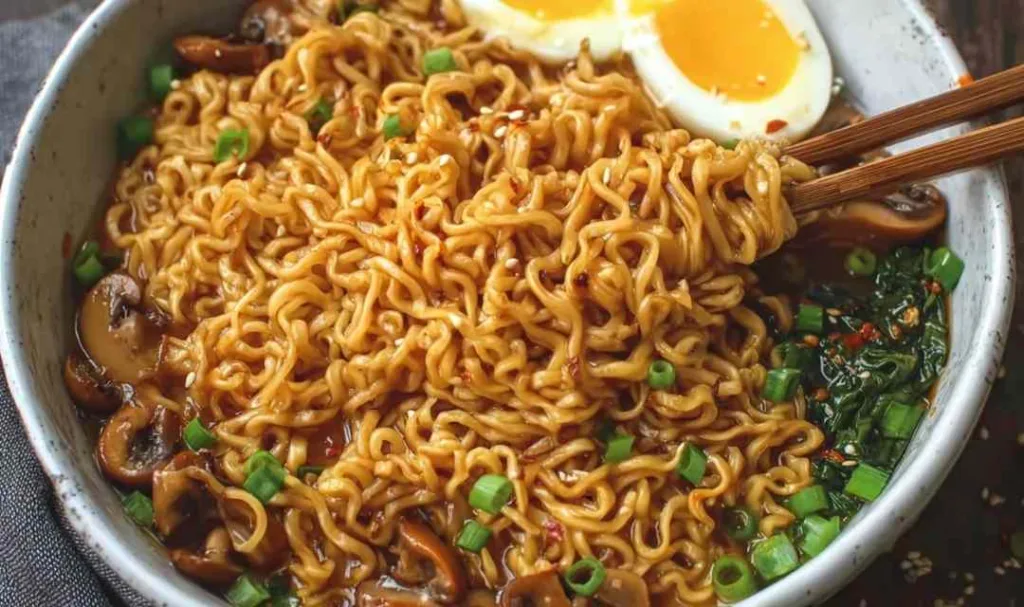
These high protein vegan saucy ramen noodles deliver 25+ grams of plant-based protein in every satisfying bowl. I created this recipe during one of those hectic weeks when my vegetarian granddaughter was visiting and I needed something quick but genuinely nourishing.
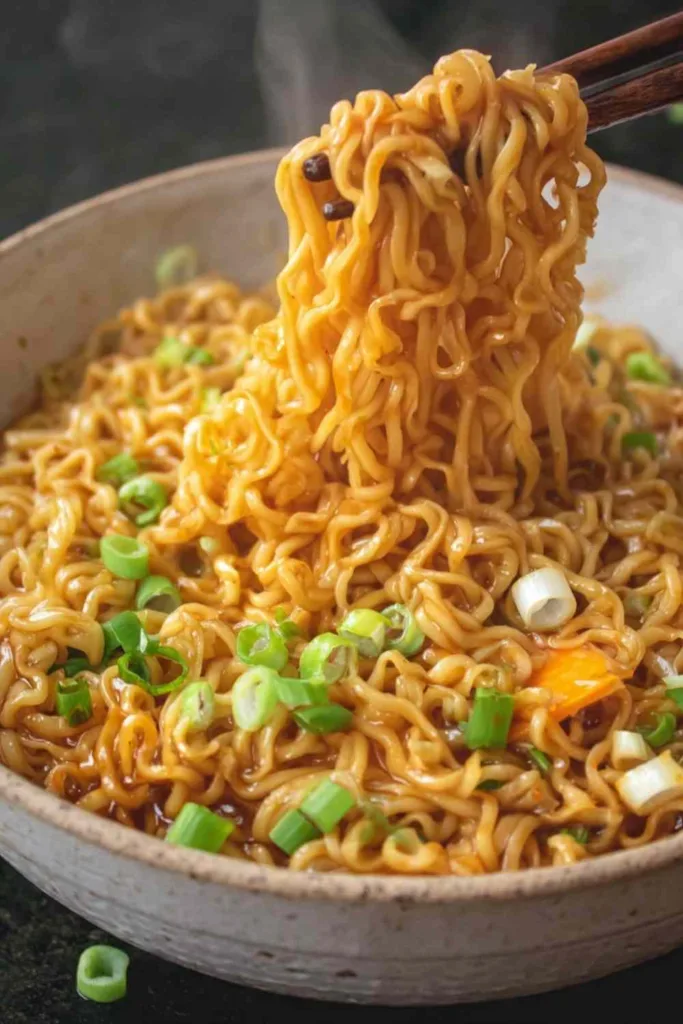
What I love most about this dish is watching those noodles turn glossy as they soak up the thick peanut sauce while tofu cubes crisp up in the pan. My kitchen fills with garlic and sesame aromas that remind me good food doesn’t need hours of work. After making this dozens of times and adjusting the sauce to perfection, I’m ready to share what works. Time to grab your wok and get cooking.
Why This High Protein Vegan Ramen Belongs in Your Recipe Box
When I first started cooking more plant-based meals, my biggest worry was keeping everyone satisfied without meat on the table. This recipe solved that challenge beautifully, and now it’s my go-to when we need dinner fast.
Here’s what makes these saucy ramen noodles special:
- Delivers 25+ grams of plant-based protein per serving through tofu, edamame, nutritional yeast, and hemp hearts working together
- Comes together in 25 minutes or less, perfect for those evenings when everyone’s hungry and patience is running thin
- Features a thick, customizable sauce that clings to every noodle, letting you adjust sweetness, saltiness, and heat to your family’s taste
- Uses simple pantry staples you likely have on hand, with no trips to specialty stores required
- Adapts easily to whatever vegetables are waiting in your crisper drawer
- Creates genuinely satisfying leftovers when you store the sauce separately and cook fresh noodles each day
After testing this recipe repeatedly in my kitchen, it’s become my secret weapon for feeding hungry teenagers and health-conscious family members alike.
Ingredient Spotlight
Extra Firm Tofu (10 oz): This protein powerhouse forms the hearty base of your dish, and I always press mine for a full 15 minutes to ensure those cubes get properly crispy when they hit the hot pan.
Edamame (1 cup, shelled): These young soybeans add protein and a pleasant pop of texture, plus they cook right alongside your noodles for simpler prep.
Nutritional Yeast (2 tablespoons): I love how this ingredient adds protein while creating a subtle cheesy, umami flavor that makes the sauce taste richer.
Hemp Hearts (2 tablespoons): These tiny seeds pack surprising protein and add a delicate nutty flavor that my family doesn’t even notice they’re eating.
Soy Sauce (5 to 7 tablespoons): This is your primary seasoning base, and I’ve learned to start with 5 tablespoons and taste as I go since brands vary in saltiness.
Peanut Butter or Tahini (2 tablespoons): Beyond adding creaminess, this ingredient contributes protein and helps the sauce cling to noodles in the most satisfying way.
Corn Starch (2 to 3 tablespoons): This transforms your sauce from thin to gloriously thick and glossy, though I recommend starting with 2 tablespoons if you’re concerned about thickness.
Rice Vinegar (2 tablespoons): The slight tang balances the richness and prevents the dish from tasting one-dimensional.
Instant Ramen Noodles: I use about 140g total for two servings, discarding those seasoning packets entirely since we’re making our own superior sauce.
How to Make High Protein Vegan Saucy Ramen Noodles
Step 1. I always start by pressing my tofu. Wrap that 10-ounce block in clean kitchen towels, place something heavy on top, and let it sit for 15 minutes while you prep everything else. This step ensures beautifully crispy results.
Step 2. Mix all your sauce ingredients in a bowl until the peanut butter is fully incorporated and no cornstarch lumps remain. Adjust measurements to match your family’s taste preferences before you even turn on the stove.
Step 3. Bring a small pot of water to a rolling boil over high heat, then add your ramen noodles and edamame together. Cook the noodles 2 to 3 minutes less than package instructions since they’ll finish cooking in the sauce.
Step 4. I’ve learned that draining those noodles thoroughly and running them under cold water stops the cooking process and prevents mushy results later.
Step 5. While your noodles are cooking, heat 2 tablespoons of oil in a large pan or wok over medium-high heat until it shimmers. Add your cubed tofu, leaving space between pieces so they crisp up properly rather than steam.
Step 6. After years of making this, I’ve found that resisting the urge to move your tofu constantly results in the best golden-brown crust. Let those cubes sit undisturbed for 2 to 3 minutes per side, taking about 8 to 10 minutes total.
Step 7. Remove the crispy tofu and set aside, then sauté your chosen vegetables or mushrooms in that same flavorful pan for a few minutes until they reach your preferred doneness.
Step 8. Give your sauce another good stir to redistribute the cornstarch and peanut butter, then pour it into the pan. Let it simmer for 2 to 3 minutes over medium heat, stirring continuously to prevent sticking and ensure even thickening.
Step 9. Once the sauce begins to thicken and turn glossy, add your cooked noodles, edamame, and crispy tofu back to the pan. Toss everything together so each noodle gets coated in that beautiful sauce.
Step 10. Continue cooking over medium-high heat for about 3 minutes until the noodles absorb some sauce and everything reaches that perfect consistency. Stir in the nutritional yeast and taste for final seasoning adjustments.
Keeping This High Protein Ramen Fresh
I store leftover components separately rather than mixing everything together because noodles sitting in sauce overnight turn soggy by morning. The cooked tofu, vegetables, and edamame keep beautifully in an airtight container in the refrigerator for up to 3 days, maintaining their texture perfectly.
For the sauce itself, I’ve found it stores wonderfully in a small container in the fridge for 3 to 4 days, though it will thicken considerably and become almost jelly-like from the cornstarch. This is completely normal. When you’re ready to enjoy leftovers, simply reheat the sauce in a large pan over medium heat, letting it simmer and thin out with a splash of water if needed, then add freshly cooked noodles for the best results.
My freezing method works well for the sauce, though I’ll be honest that the texture becomes quite thick after freezing. To use frozen sauce, thaw it in the refrigerator overnight, then reheat slowly in a pan, stirring frequently and adding water as needed until it returns to that smooth, pourable consistency. I don’t recommend freezing the assembled dish with noodles, as they become unpleasantly mushy upon reheating.
For the best texture, I reheat any leftover components in a pan on the stovetop rather than the microwave, which helps maintain that satisfying chewiness in the tofu and keeps vegetables from turning limp.
Perfect Partners for High Protein Saucy Ramen
- Fresh Asian Cucumber Salad – The cool, crisp cucumbers dressed in rice vinegar provide refreshing contrast to these rich, savory noodles, and I love how the textures play off each other.
- Steamed Bok Choy with Garlic – This simple green side adds vitamins and mild flavor that doesn’t compete with your saucy noodles, plus it cooks in just 5 minutes while you’re finishing the main dish.
- Miso Soup – Starting your meal with warm miso creates a complete Asian-inspired dinner that my family finds incredibly satisfying, especially on chilly evenings.
- Pickled Vegetables – Quick-pickled carrots, radishes, or daikon add tangy crunch and help cut through the richness of the peanut sauce, and I always keep a jar in my refrigerator.
- Steamed Edamame Pods – While you’re already using shelled edamame in the noodles, serving extra pods on the side gives everyone something to nibble on and adds even more protein to the meal.
- Simple Stir-Fried Broccoli – The slight bitterness of broccoli pairs beautifully with the sweet-savory sauce on these noodles, and it’s another way to add vegetables to the plate.
FAQs
I recommend tempeh or seitan as excellent alternatives that provide similar protein content, though you’ll want to adjust cooking times since tempeh needs only 5 to 6 minutes to brown and seitan cooks even faster.
Simply add water one tablespoon at a time while stirring the sauce over medium heat until it reaches your desired consistency. I’ve done this many times when I’ve been heavy-handed with the cornstarch.
To keep this dish gluten-free, use brown rice ramen noodles instead of wheat-based ones and substitute tamari for the regular soy sauce, ensuring all other ingredients are certified gluten-free.
Street Style Thai Drunken Noodles
Ingredients
Equipment
Method
- Boil water in a large pot and cook flat rice noodles according to package instructions until al dente. Drain and set aside.
- Heat vegetable oil in a large skillet or wok over medium-high heat until shimmering.
- Add minced garlic and sauté for about one minute until fragrant.
- Add the protein (chicken or shrimp) to the skillet and stir-fry until cooked through (3-5 minutes for chicken; 2-3 minutes for shrimp).
- Toss in bell peppers, broccoli, and carrots; stir-fry for another two minutes until slightly tender yet crisp.
- Add cooked noodles back into the skillet along with soy sauce and brown sugar. Toss everything together until well combined and heated through.