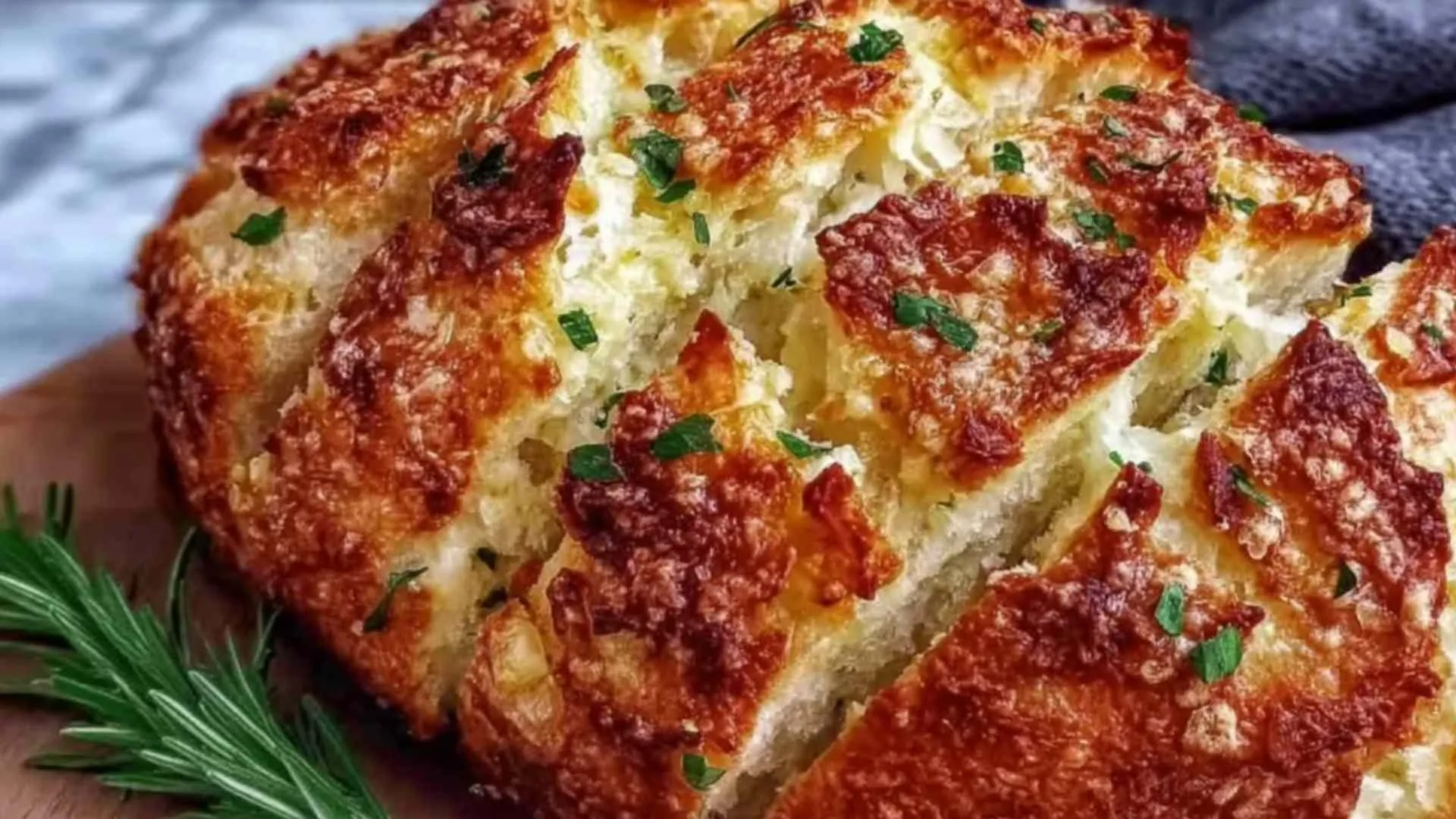
Parmesan Garlic Artisan Bread is the kind of loaf that fills your whole kitchen with the smell of roasted garlic and melted cheese before it even hits the cutting board. I used to think bakery-quality bread was out of reach for home bakers, but after years of testing this recipe at my own counter, I can tell you it absolutely is not.
Growing up on the farm, Sunday bread was a ritual. My grandmother started her dough right after breakfast, and by the time the family gathered around her big oak table, that golden loaf was waiting. The crust crackled when you pressed it, the inside pulled apart in soft, steamy ribbons, and the whole house smelled like something worth coming home for. This Parmesan Garlic Artisan Bread carries that same spirit. Rustic, comforting, and built entirely from ingredients you likely already have in your pantry. Your kitchen is about to smell like something special.
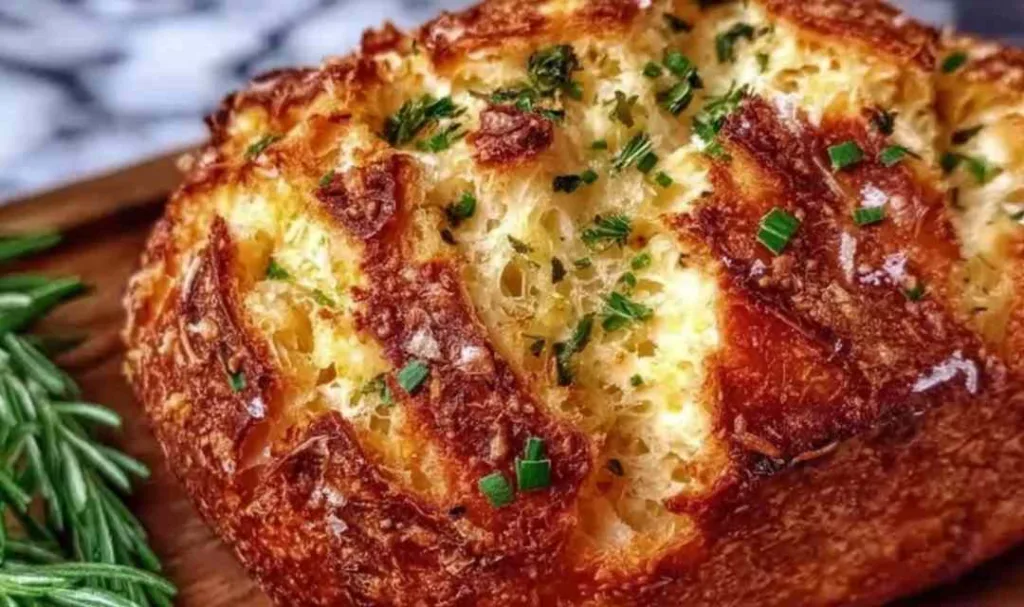
Why This Crusty Loaf Belongs in Your Recipe Box
Betty has baked a lot of bread over the years, and this garlic Parmesan version wins every time it hits the table. Sharp, nutty cheese and fragrant garlic come together in a way that feels both impressive and completely approachable on a weeknight.
- Uses pantry staples you likely already have on hand
- Comes together in about 3 hours, most of it hands-off rise time
- No stand mixer or professional equipment required
- Crispy golden crust with a soft, flavorful interior
- Easily adapted for dairy-free or vegan diets
- Make-ahead dough option fits into a busy schedule
Key Players in This Parmesan Garlic Artisan Bread
Understanding what each ingredient does makes the difference between good bread and great bread. Here is what goes into this loaf and why every item earns its place.
Bread Flour: Bread flour has a higher protein content than all-purpose, which builds a stronger gluten network. That is what gives artisan bread its satisfying chew. I always choose bread flour when I want that classic pull. All-purpose works in a pinch but delivers a slightly denser result.
Active Dry Yeast: This is the engine of the whole loaf. Fresh, active yeast creates the carbon dioxide bubbles that make the dough rise and gives the bread its airy texture. Always check the expiration date. Dead yeast means flat bread.
Freshly Grated Parmesan: Pre-shredded cheese often contains anti-caking powder that affects how it melts and mixes into dough. In my kitchen, I always grate Parmesan fresh from the block. The flavor is sharper and nuttier, and it folds into the dough beautifully.
Fresh Garlic: Four minced cloves go directly into the dough, infusing every bite with warm, savory depth. Garlic powder joins it too. The combination of fresh and powdered layers the flavor in a way that neither one achieves alone.
Olive Oil: Olive oil adds richness and a subtle fruitiness, and it helps keep the crumb tender. I use it in the dough and as the base for the topping. It encourages that gorgeous golden crust.
Honey: Just one tablespoon feeds the yeast during activation and adds the faintest hint of sweetness that balances the salty cheese. Maple syrup works perfectly if you are keeping things vegan.
Fresh Rosemary: Rosemary is the herbal backbone here. Piney, slightly peppery, and a natural match for Parmesan. Fresh rosemary gives the best fragrance, though dried rosemary at half the quantity works well too.
How to Make Parmesan Garlic Artisan Bread Step by Step
Through years of baking this style of bread, I have learned that a relaxed pace and careful attention to a few key steps make all the difference. Follow this method and you will pull a gorgeous loaf from your oven every time.
- Combine 1 1/4 cups warm water (110 degrees F), 1 tablespoon honey, and the yeast packet in a large mixing bowl. Let the mixture sit for 5 to 8 minutes until foamy and bubbly. This tells you the yeast is alive and ready to work.
- Add 2 tablespoons olive oil, 4 cloves minced garlic, and 1 1/2 teaspoons salt to the yeast mixture. Stir gently to bring these aromatics into the base.
- Gradually add the 3 cups of bread flour, mixing as you go until a shaggy dough forms. Fold in 3/4 cup grated Parmesan, the chopped rosemary, 1 teaspoon garlic powder, and 1/2 teaspoon black pepper. Knead for 8 to 10 minutes until the dough feels smooth and elastic. If working by hand, plan on 10 to 12 minutes.
- Transfer the dough to a lightly oiled bowl, cover with a damp kitchen towel, and let it rise in a warm spot for 60 minutes. It should double in size during this time, developing the complex flavors that set this Parmesan Garlic Artisan Bread apart.
- Gently deflate the risen dough and shape it into a round boule or oval loaf. Set it on a parchment-lined baking sheet, cover loosely, and allow a second rise of 45 minutes.
- Preheat your oven to 425 degrees F. Brush the top of the loaf generously with olive oil, scatter the remaining 1/4 cup Parmesan and 1 teaspoon coarse sea salt over the surface, then use a sharp knife to score the top with a few cuts.
- Bake for 35 to 40 minutes until the crust turns a deep golden brown. The internal temperature should read 190 degrees F, and the bottom of the loaf should sound hollow when tapped. Let it cool on a wire rack for at least 15 minutes before slicing.
Important Notes
- Yeast activation: Water must be around 110 degrees F. Above 115 degrees F kills the yeast. Below 100 degrees F will not fully activate it. A kitchen thermometer takes the guesswork out.
- Flour substitution: All-purpose flour works but produces a slightly denser loaf with less chew than bread flour.
- Parmesan: Use freshly grated for best flavor. Nutritional yeast works as a dairy-free substitute.
- Scoring: Always score the top before baking to control how the bread expands and avoid unpredictable cracking.
Tips for Best Results
- Do not rush the rise times. Proper fermentation develops complex flavor and better texture.
- Knead thoroughly for 8 to 10 minutes to build proper gluten structure.
- Do not add too much cheese directly into the dough as it can weigh it down.
- Hand kneading works perfectly. No stand mixer needed.
- You can refrigerate the prepared dough for up to 24 hours before baking for a slow, flavor-building rise.
What to Serve with Parmesan Garlic Artisan Bread
This bread pairs beautifully with a wide range of dishes. Here are some of my favorite combinations from the Nonna Food kitchen.
- Soups and stews: A warm bowl of Marry Me Chicken Soup or Easy Lasagna Soup is the perfect partner. The crusty bread soaks up every drop of the broth.
- Pasta nights: Thick slices alongside Creamy Oyster Mushroom Pasta make for a rich and satisfying dinner.
- Garlic and Parmesan sides: Round out the meal with Crispy Garlic Parmesan Brussels Sprouts for a cohesive flavor profile across the table.
- Vegetable dishes: Garlic Parmesan Baked Eggplant shares the same savory base notes and makes a great vegetarian pairing.
- More bread inspiration: If you love this loaf, try the Perfect Parmesan Garlic Bread Recipe for a quicker weeknight option.
- Appetizer boards with olive tapenade, marinated artichokes, and roasted red peppers.
- Toasted slices with avocado and cherry tomatoes for a satisfying breakfast.
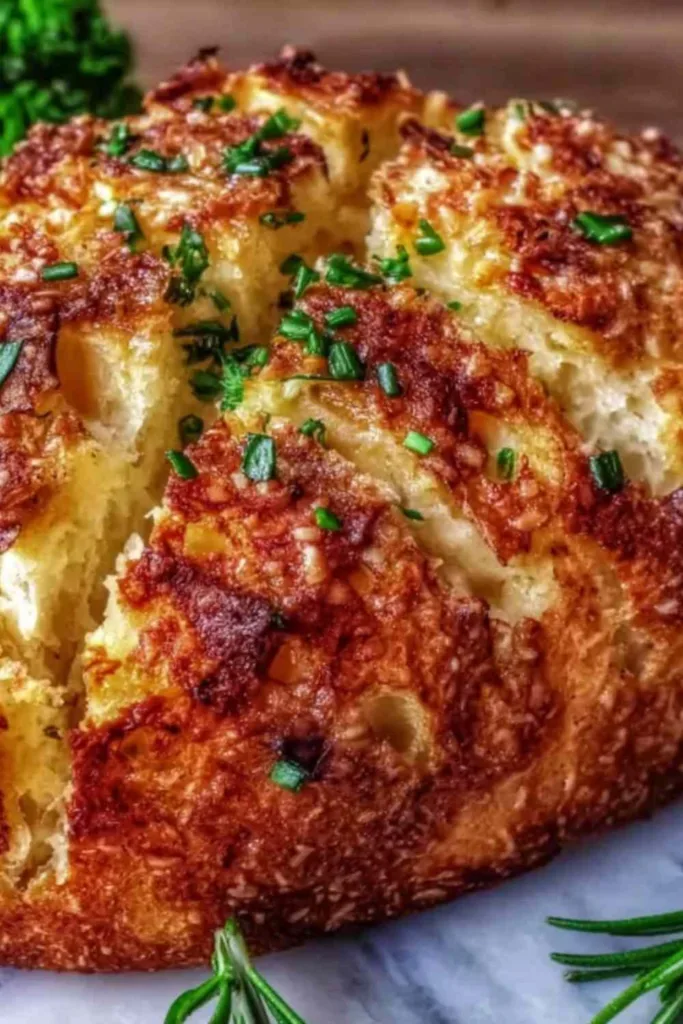
Keeping This Artisan Loaf Fresh
I typically store leftover bread wrapped loosely in a clean kitchen towel at room temperature. This keeps the crust from going soft while protecting the crumb. Stored this way, it stays fresh for up to 3 days. Always rest the cut side face-down on your cutting board to seal in moisture and slow staling.
For longer storage, slice the cooled loaf, layer the slices in a zip-seal freezer bag with small squares of parchment between them, and freeze for up to 3 months. Pre-slicing before freezing makes it easy to pull out exactly what you need.
To revive a slice or a whole loaf, sprinkle it lightly with water and warm it in a 350 degree F oven for about 5 minutes. The crust crisps back up nicely. A toaster works well for individual slices. Avoid the microwave if you want that crust to stay crackling.
FAQs
Absolutely. Hand kneading for 10 to 12 minutes builds the gluten just as effectively. You get a real feel for when the dough is ready, which is something a machine does not always give you.
The most common causes are expired yeast or water that is too hot or too cold. Water above 115 degrees F kills the yeast. Below 100 degrees F will not fully activate it. Use a kitchen thermometer to hit that target of 110 degrees F.
Yes. Thyme, oregano, and sage all work well alongside the Parmesan and garlic. Start with about a teaspoon so the new herbs complement rather than compete with the base flavors.
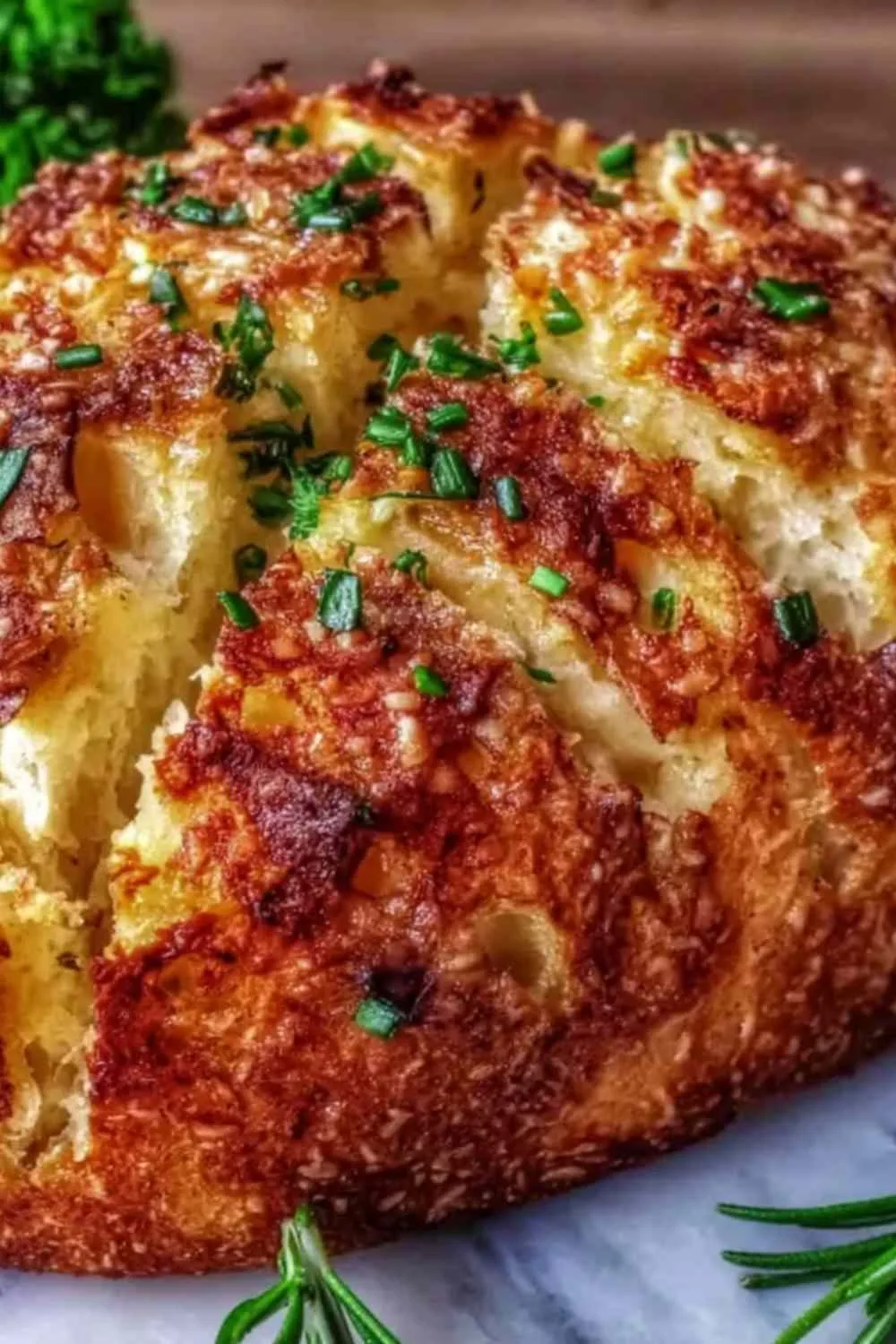
Parmesan Garlic Artisan Bread
Ingredients
Equipment
Method
- Combine warm water (110 F), honey, and yeast in a large bowl. Let sit 5 to 8 minutes until foamy.
- Stir in olive oil, minced garlic, and salt.
- Gradually mix in bread flour. Add 3/4 cup Parmesan, rosemary, garlic powder, and black pepper. Knead 8 to 10 minutes until smooth and elastic (10 to 12 minutes by hand).
- Place dough in an oiled bowl, cover with a damp towel, and let rise 60 minutes until doubled.
- Deflate dough and shape into a round boule or oval. Place on a parchment-lined baking sheet, cover, and let rise 45 minutes.
- Preheat oven to 425 F. Brush loaf with olive oil, top with remaining Parmesan and coarse sea salt, and score the top with a sharp knife.
- Bake 35 to 40 minutes until deep golden brown and internal temperature reaches 190 F. Cool on a wire rack for at least 15 minutes before slicing.