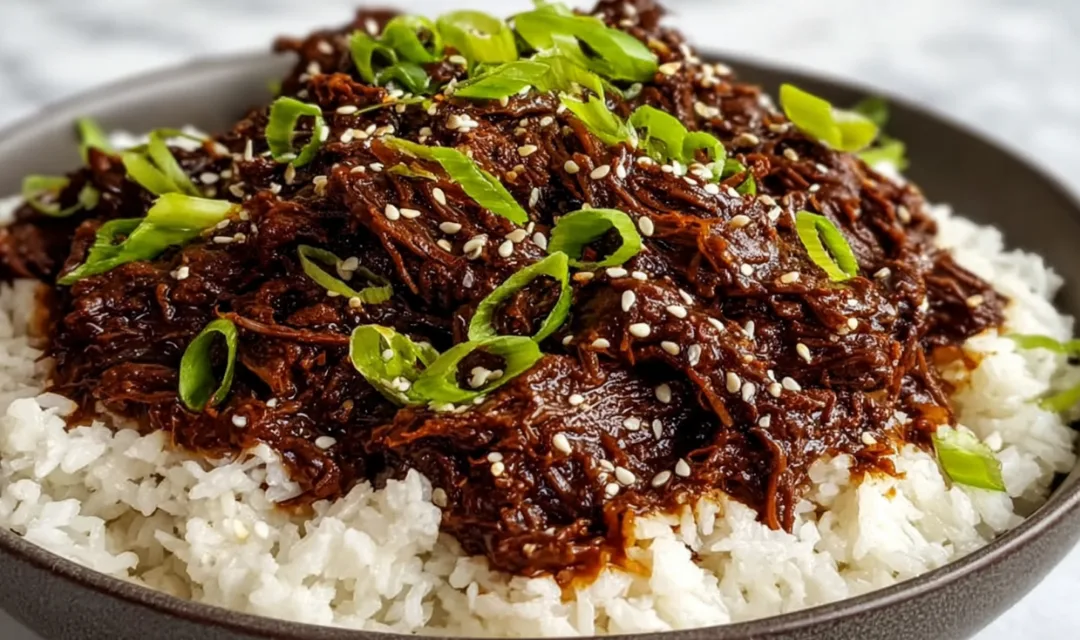
Slow Cooker Korean Beef transforms tough cuts into tender, sweet-savory perfection with minimal effort. I’ve been making Korean-inspired dishes in my slow cooker for years, and this recipe never fails to impress dinner guests while keeping weeknight cooking stress-free.
There’s something magical about coming home to a kitchen filled with the aroma of ginger, garlic, and caramelized soy sauce. I remember the first time I experimented with Korean flavors in my trusty slow cooker—it was a cold February evening, and I wanted something comforting but different from my usual pot roasts. My daughter had just returned from a trip to Seoul, raving about bulgogi, and I thought, “Why not let the slow cooker work its magic?” The beef turned out so tender it practically melted on our forks, and the balance of sweet brown sugar with savory soy sauce had everyone going back for seconds. Now it’s become one of those recipes I make when I want to feel like I’ve put in restaurant-level effort without actually spending hours in the kitchen. Time to get your slow cooker ready for something special!
What Makes This Slow Cooker Korean Beef So Special
This recipe brings together the best of both worlds—the bold, complex flavors of Korean bulgogi with the hands-off convenience that makes slow cooker meals so beloved in American kitchens. I’ve tested this recipe dozens of times, tweaking the sauce proportions until I found that perfect sweet-savory balance that works for families who might be new to Korean flavors.
Here’s why this dish belongs in your regular dinner rotation:
- Incredibly tender results – The low, slow cooking breaks down tough cuts like chuck roast or short ribs until they’re fork-tender and succulent
- Pantry-friendly ingredients – You’ll find most items at your regular grocery store, with just one or two special ingredients that are worth seeking out
- Flexible timing – Cook on low while you’re at work, or switch to high for a faster weekend meal
- Crowd-pleasing flavor – The gochujang is optional, so you control the heat level for your family’s preferences
- Versatile serving options – Serve over rice for a traditional approach, or get creative with lettuce wraps, tacos, or noodle bowls
- Make-ahead friendly – Actually tastes even better the next day when the flavors have melded together
After years of making this, I’ve learned that the optional searing step truly does make a difference—that caramelized crust adds another layer of depth to the finished dish.
Ingredient Spotlight
Boneless beef short ribs or chuck roast: These tougher, fattier cuts are perfect for slow cooking because they become incredibly tender and flavorful over the long cooking time. I always choose short ribs when I can find them on sale—they have just the right amount of marbling to stay juicy without being greasy.
Low-sodium soy sauce: This forms the savory base of your Korean sauce, and using the low-sodium version gives you better control over the final saltiness. In my kitchen, I prefer Kikkoman because it has a balanced, not-too-harsh flavor that works beautifully with the other ingredients.
Light brown sugar: The molasses notes in brown sugar add complexity and help create that signature sweet-savory balance that makes Korean beef so addictive. It also helps the sauce caramelize slightly around the meat as it cooks.
Rice vinegar: This adds a subtle brightness that cuts through the richness of the beef and balances the sweetness—just make sure you’re using plain rice vinegar, not the seasoned kind, which already contains added sugar and salt.
Toasted sesame oil: A little goes a long way with this intensely nutty, aromatic oil. I’ve found that using toasted sesame oil rather than regular makes all the difference in achieving that authentic Korean flavor profile.
Fresh ginger: Grating fresh ginger releases its pungent, warming oils that infuse throughout the dish. I always choose firm, smooth-skinned ginger with no wrinkles, and I keep a knob in my freezer so it’s easier to grate.
Fresh garlic: Six to eight cloves might seem like a lot, but garlic mellows beautifully during the long cooking time, adding depth without overwhelming the other flavors.
Gochujang: This Korean chili paste brings umami richness and a gentle heat that’s complex rather than just spicy. In my experience, even heat-sensitive eaters often enjoy the flavor it adds when used in moderation, but you can absolutely skip it for a zero-spice version.
Yellow onion: As it cooks down, the onion adds natural sweetness and body to the sauce while practically dissolving into tender, flavorful bits.
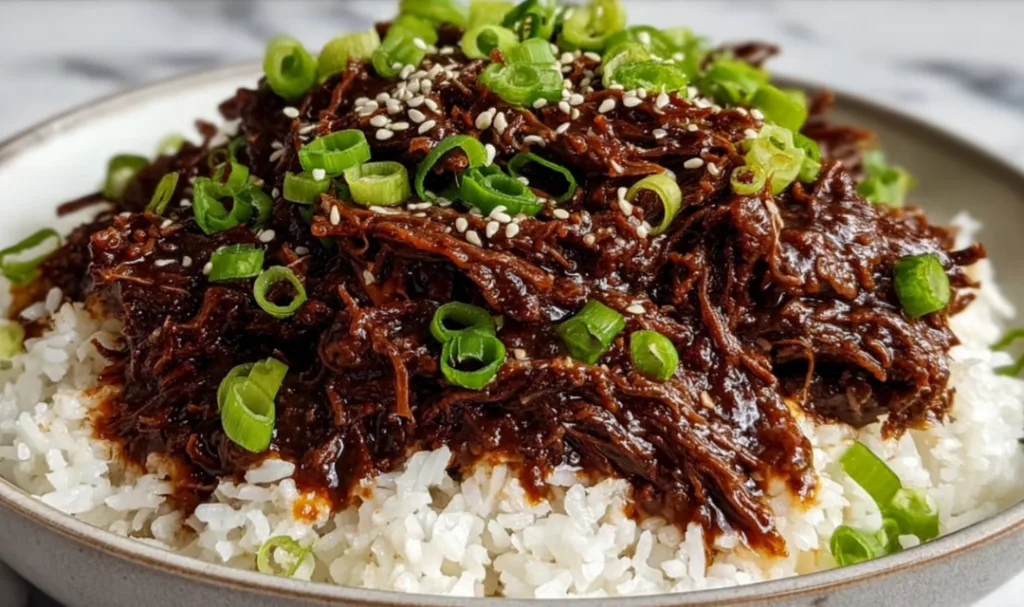
Green onions: These provide a fresh, sharp contrast to the rich sauce when scattered on top just before serving—I slice them on a diagonal for a prettier presentation.
How to Make Slow Cooker Korean Beef
Step 1. I’ve learned that taking the time to pat your beef chunks completely dry with paper towels makes all the difference for getting a good sear—moisture is the enemy of browning, so don’t skip this step.
Step 2. Betty always starts by heating the oil until it’s shimmering before adding the beef, and working in batches ensures each piece gets proper contact with the hot pan for that beautiful caramelized crust.
Step 3. After years of making this, I discovered that adding the minced garlic and grated ginger directly to the slow cooker (rather than sautéing them) actually preserves more of their bright, pungent flavor throughout the long cooking time.
Step 4. Betty’s tip: Whisk your sauce ingredients vigorously until every grain of brown sugar has dissolved—this ensures even sweetness throughout the finished dish.
Step 5. Pour the sauce over your beef and onions, then give everything a gentle stir to make sure each piece is coated, but don’t worry about perfection since it will all meld together during cooking.
Step 6. For the most tender results, I always cook this Slow Cooker Korean Beef on low for 6-8 hours—the meat should be so tender it falls apart when you press it with a fork.
Step 7. I’ve found that shredding the beef with two forks while it’s still hot makes it easier to pull apart, and the shredded texture allows it to soak up even more of that delicious sauce.
Step 8. The key I discovered is that a cornstarch slurry (1-2 tablespoons cornstarch mixed with 2-3 tablespoons cold water) thickens the sauce perfectly in about 15-30 minutes on high, creating a glossy coating that clings to the beef.
Step 9. My family prefers when I taste and adjust the seasoning just before serving—sometimes I add a splash more vinegar for brightness or a drizzle of honey if it needs sweetness.
Step 10. Through trial and error, I learned that toasting your sesame seeds in a dry skillet until they’re fragrant and golden takes them from ordinary to extraordinary as a finishing touch.
Keeping This Slow Cooker Korean Beef Fresh
I typically store leftovers in an airtight container in the refrigerator for up to 4-5 days, and honestly, the flavors deepen and improve after a day or two as everything melds together. The sauce thickens slightly as it cools, which makes it even better for piling onto rice or stuffing into lettuce wraps. Betty’s storage method works well because she always lets the beef cool to room temperature before refrigerating—this prevents excess condensation from making the sauce watery.
This recipe freezes beautifully for up to 3 months, which I discovered during a particularly ambitious meal-prep weekend. I portion it into freezer-safe containers or heavy-duty zip-top bags, making sure to include plenty of sauce with the meat so it doesn’t dry out. For the best results, I press out as much air as possible before sealing, and I always label with the date so I know what I’m grabbing on busy weeknights.
For the best texture, I reheat by transferring the beef to a saucepan over medium-low heat, stirring occasionally until it’s warmed through—this gentle method keeps the meat tender and prevents the sauce from breaking. If you’re reheating from frozen, thaw it overnight in the refrigerator first, or use the defrost setting on your microwave before warming. Betty’s preferred approach for smaller portions is microwaving in 1-minute intervals, stirring between each, until heated through but not scorching hot.
Perfect Partners for Slow Cooker Korean Beef
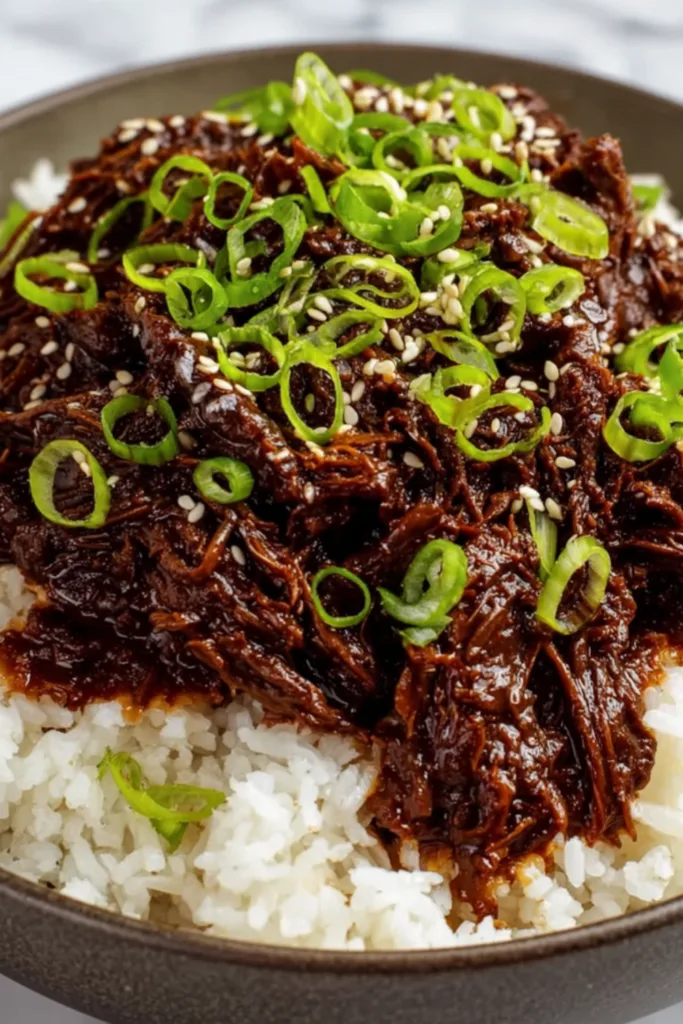
- Steamed jasmine or short-grain white rice – The slightly sticky texture and subtle fragrance of these rice varieties soak up the sweet-savory sauce beautifully while providing a neutral base that lets the Korean beef shine.
- Quick-pickled cucumber salad – The cool, tangy crunch cuts through the richness of the beef and adds refreshing contrast. I toss thin-sliced cucumbers with rice vinegar, a pinch of sugar, and sesame seeds.
- Sautéed bok choy or baby spinach – These quick-cooking greens add a nutritious, slightly bitter element that balances the sweetness of the sauce, and they cook in just 3-4 minutes in a hot wok.
- Roasted or steamed broccoli – The sturdy florets hold up well when drizzled with any extra sauce, and their slight bitterness provides nice flavor contrast.
- Kimchi or quick-pickled vegetables – For those who enjoy authentic Korean flavors, the spicy-sour tang of kimchi or pickled radishes adds traditional accompaniment and probiotic benefits.
- Sesame garlic green beans – Blanched green beans tossed with minced garlic and toasted sesame oil create a simple side that echoes the Korean flavors without overwhelming the main dish.
FAQs
I recommend sticking with tougher, well-marbled cuts like chuck roast, short ribs, or even beef brisket—these cuts benefit most from the slow cooker’s low, moist heat and become incredibly tender, while leaner cuts like sirloin tend to dry out.
Many home cooks find success with a combination of sriracha and a teaspoon of miso paste for similar heat and umami, though the flavor won’t be quite as complex. You can also simply omit it and add red pepper flakes to taste.
To prevent this issue of last-minute dinner stress, I often make the entire dish 1-2 days ahead and store it in the refrigerator—the flavors actually improve with time, and reheating takes just minutes.
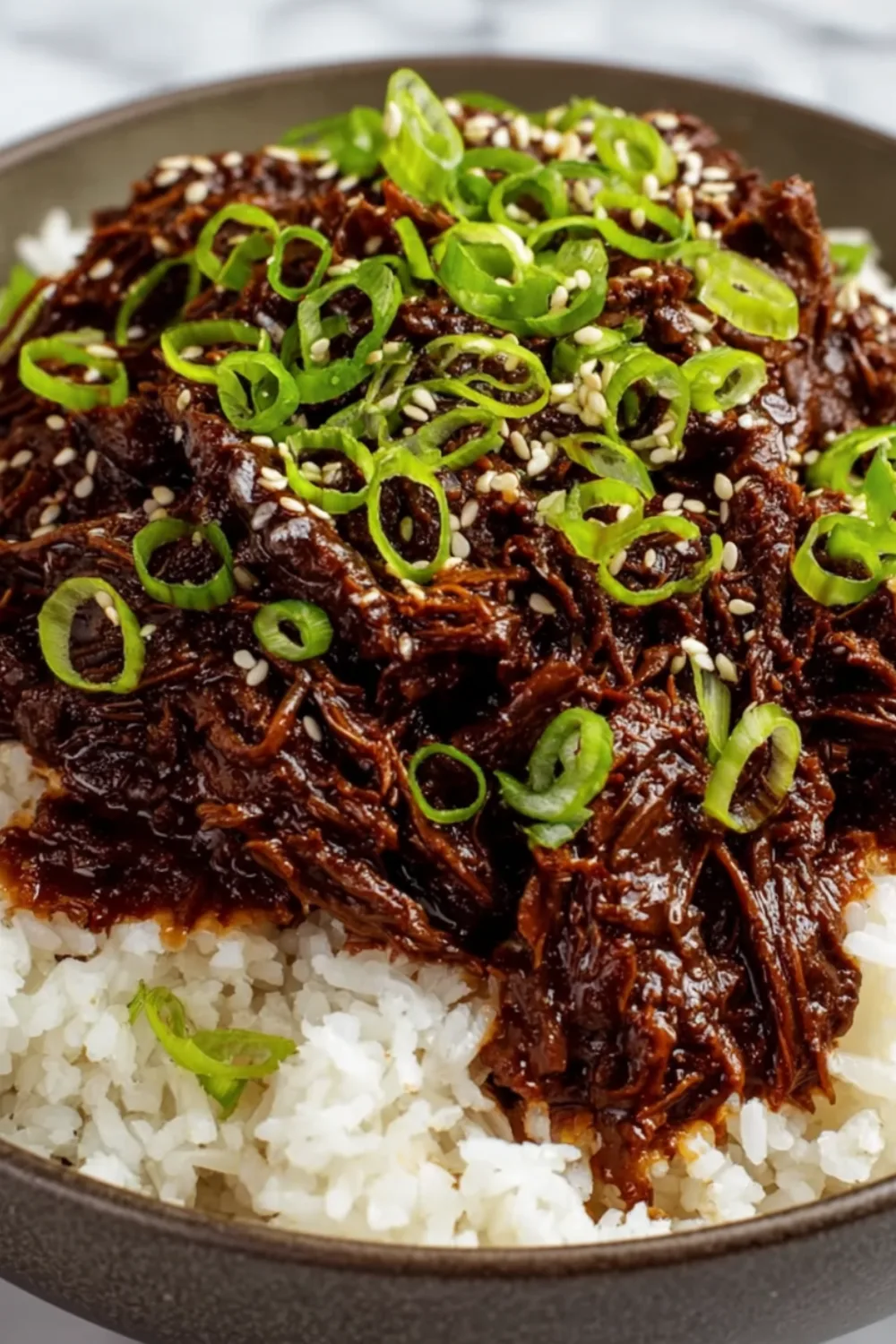
Slow Cooker Korean Beef
Ingredients
Equipment
Method
- Trim excess fat from beef and cut into 2-inch chunks. Pat dry thoroughly with paper towels.
- Heat 1 Tbsp olive oil in a large skillet over medium-high heat. Working in batches, sear beef chunks for 2-3 minutes per side until deeply browned. Transfer to slow cooker.
- Add chopped onion to slow cooker with beef. Mince garlic and grate ginger.
- Pour sauce over beef and onions in slow cooker. Stir gently to coat all pieces.
- Cover and cook on low for 6-8 hours or on high for 3-4 hours, until beef is fork-tender and easily shreds.
- Remove beef chunks and shred with two forks.
- For thicker sauce, whisk 1-2 Tbsp cornstarch with 2-3 Tbsp cold water. Stir into sauce and cook on high for 15-30 minutes until thickened. Alternatively, reduce sauce in a saucepan on stovetop for 10-15 minutes.
- Return shredded beef to sauce and stir to combine. Taste and adjust seasoning if needed.
- Garnish with sliced green onions and toasted sesame seeds. Serve over rice.