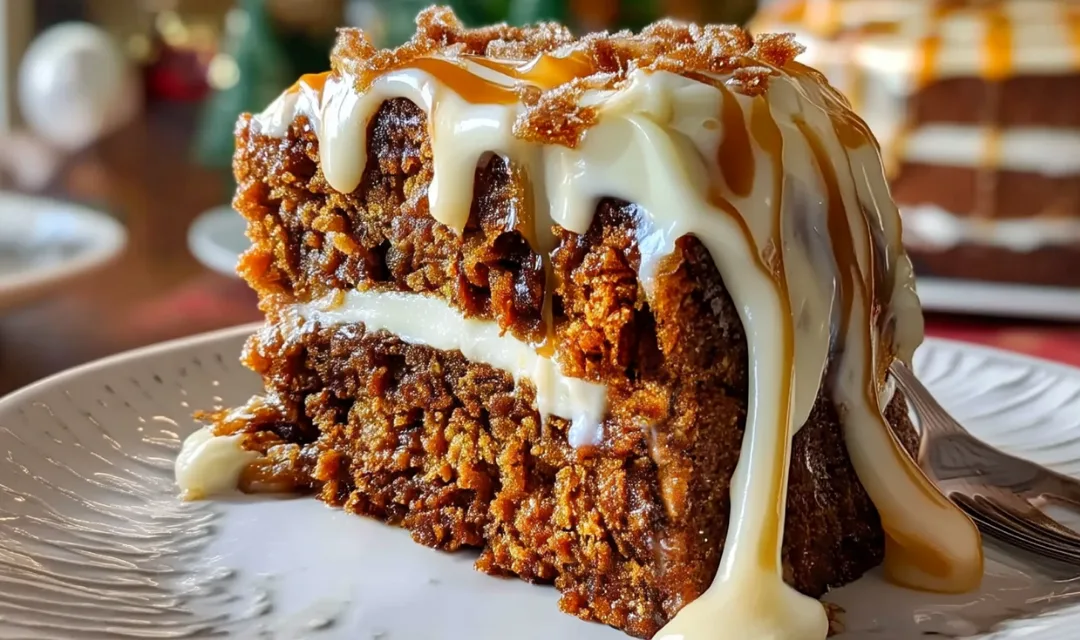
Gingerbread cake with cinnamon molasses frosting brings the warmth of the holidays right into your kitchen with its perfectly spiced crumb and creamy, sweet topping. I still remember the first time my grandmother let me measure out the molasses for her famous gingerbread – watching that dark, glossy stream pour into the bowl felt like pure kitchen magic.
There’s something about the aroma of ginger, cinnamon, and cloves baking together that takes me straight back to my grandmother’s farmhouse, where every December meant the house filled with the scent of holiday baking. She’d always make her gingerbread cake on the first snow of the season, serving thick squares topped with her special molasses frosting to anyone who stopped by. The beauty of this gingerbread cake recipe is that it captures all that nostalgic warmth while being simple enough for today’s busy schedules. The cake stays wonderfully moist for days, and that cinnamon molasses frosting? It’s the kind that makes everyone ask for seconds. Whether you’re baking for a holiday gathering or just want to fill your home with those cozy spice aromas, this cake delivers every single time. Time to get our hands floury and create some holiday magic.
What Makes This Gingerbread Cake So Special
I’ve been making gingerbread for more than forty years, and this recipe has earned its place as my go-to for good reason – it delivers consistent, crowd-pleasing results without requiring any fancy techniques or hard-to-find ingredients.
- Comes together in under an hour from start to finish, making it perfect for busy holiday schedules
- Uses pantry staples you likely already have – no specialty ingredients required
- Stays incredibly moist for days thanks to the molasses, so you can bake ahead with confidence
- Features a foolproof frosting that never fails and adds just the right amount of sweetness
- Feeds a crowd easily with generous portions from a single 9×13 pan
- Adapts beautifully to round layer pans if you prefer a more formal presentation
After years of testing different gingerbread recipes, I’ve found this version strikes the perfect balance – it’s spiced enough to taste festive without overwhelming, and the texture is tender without being too delicate.
Ingredient Spotlight
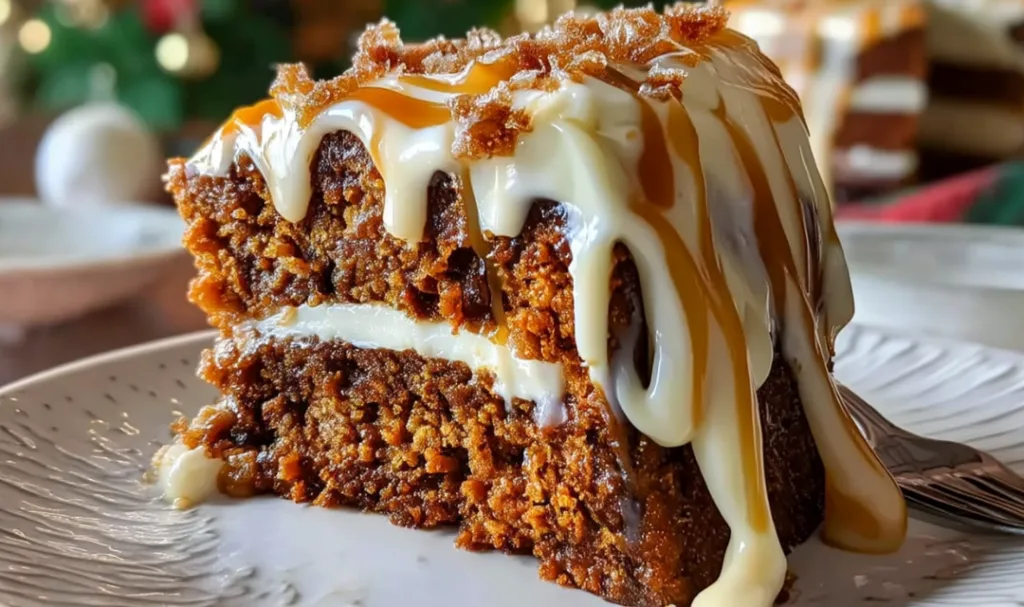
All-purpose flour forms the foundation of this cake, giving it structure while keeping the crumb tender and not too dense – I always use regular all-purpose rather than cake flour for the right texture.
Molasses is the star ingredient here, providing that deep, rich flavor and keeping the cake moist for days; I prefer using unsulphured molasses rather than blackstrap, which can be too strong and bitter.
Brown sugar adds sweetness along with its own subtle molasses notes and helps create that beautiful golden-brown color we love in gingerbread.
Ground ginger, cinnamon, and cloves create the classic warming spice blend – I’ve learned that fresh spices (less than a year old) make a noticeable difference in flavor intensity.
Hot water might seem unusual in a cake batter, but it thins the mixture just enough to create an incredibly tender crumb and helps bloom the spices for deeper flavor.
Unsalted butter in both the cake and frosting gives us control over the salt level and contributes to the rich, velvety texture – I always bring it to room temperature for easier mixing.
Powdered sugar in the frosting creates that smooth, creamy consistency that spreads beautifully over the cooled cake without pulling at the crumb.
Cinnamon in the frosting echoes the warm spices in the cake while the additional molasses reinforces that signature gingerbread flavor throughout every bite.
How to Make Gingerbread Cake with Cinnamon Molasses Frosting
Step 1. I always start by preheating my oven to 350°F and thoroughly greasing the pan – Betty’s tip is to use butter for greasing because it adds extra flavor and prevents sticking better than cooking spray.
Step 2. Whisk together your dry ingredients (flour, baking soda, all the spices, and salt) in a medium bowl, making sure the spices are evenly distributed so every bite has consistent flavor.
Step 3. In a separate large bowl, cream the softened butter and brown sugar for a full 3-5 minutes until the mixture looks light and fluffy – I’ve found this step is crucial for creating that tender texture.
Step 4. Add the molasses and eggs to your butter mixture, beating well after each addition until everything is completely combined and smooth.
Step 5. Now comes the technique I learned from my grandmother: add about one-third of the dry ingredients, mix briefly, then add half the hot water, mix again, then another third of dry ingredients, the remaining water, and finally the last of the dry ingredients, mixing just until combined after each addition to avoid overworking the batter.
Step 6. Pour the batter into your prepared pan and bake for 30-35 minutes (round pans may take 28-32 minutes) – the cake is done when a toothpick inserted in the center comes out clean or with just a few moist crumbs.
Step 7. Let the cake cool in the pan for 10 minutes (this prevents it from breaking), then transfer to a wire rack to cool completely for about 1 hour before frosting – through trial and error, I learned that frosting a warm cake leads to melted, runny frosting.
Step 8. For the cinnamon molasses frosting, beat together the softened butter, powdered sugar, cinnamon, and molasses until smooth, adding milk one tablespoon at a time until the frosting holds soft peaks but spreads easily.
Step 9. Spread the frosting generously over your completely cooled gingerbread cake with a spatula, creating swirls if you like, then slice and serve to eager family and friends.
Keeping This Gingerbread Cake Fresh
Room Temperature Storage: I typically store this gingerbread cake in an airtight container at room temperature for up to three days, and honestly, it stays just as moist on day three as day one thanks to the molasses. Make sure the container seals tightly to prevent the cake from drying out and to keep that frosting from crusting over. Betty always used a cake keeper with a dome lid, which worked perfectly for maintaining freshness.
Refrigerator Storage: If you need to keep the cake longer, it stores beautifully in the refrigerator for up to a week when covered tightly with plastic wrap or in an airtight container. The cold temperature firms up the frosting nicely, though I recommend letting slices sit at room temperature for about 15 minutes before serving for the best flavor and texture.
Freezing Guidelines: This cake freezes surprisingly well for up to two months if you want to bake ahead for the holidays. I’ve found the best method is to freeze the unfrosted cake wrapped tightly in plastic wrap and then aluminum foil, thawing it completely before adding the fresh frosting. You can also freeze frosted slices individually wrapped in plastic wrap for quick grab-and-go desserts – just thaw in the refrigerator overnight.
Perfect Partners for Gingerbread Cake
Vanilla ice cream creates a wonderful contrast to the warm spices in the cake, and watching it melt slightly into the frosting creates a delicious sauce that everyone loves.
Spiced chai tea or hot apple cider complements the ginger and cinnamon flavors beautifully, making this pairing perfect for cozy winter afternoons or holiday gatherings – Betty always served her gingerbread with homemade mulled cider.
Fresh whipped cream lightens up each rich, spiced bite and adds an elegant touch if you’re serving this for a special occasion; I like to add a pinch of cinnamon to the whipped cream for extra flavor. You might also enjoy trying my easy cranberry orange chicken for a savory dish that pairs wonderfully with gingerbread for a complete holiday meal.
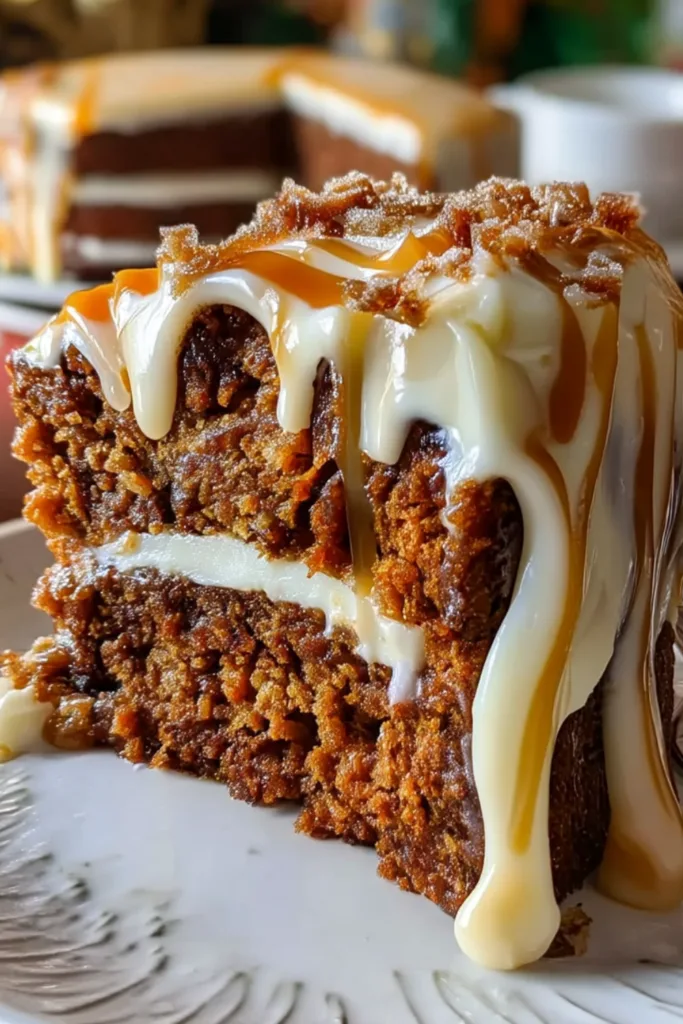
Warm caramel sauce drizzled over individual slices takes this dessert from simple to spectacular, especially when you add a sprinkle of flaky sea salt on top.
Coffee or espresso cuts through the sweetness perfectly and enhances the deep molasses notes – this is my personal favorite pairing for an afternoon treat.
Cranberry compote adds a tart, fruity element that balances the rich, sweet frosting while bringing festive color to your dessert plate. If you’re planning a holiday spread, consider serving this alongside my sweet potato cranberry gratin for complementary flavors.
Storage and Reheating Tips
Room Temperature: Store leftover gingerbread cake in an airtight container at room temperature for up to 3 days. The molasses keeps the cake incredibly moist, and the frosting stays creamy without refrigeration. I’ve found that storing it in a cake keeper or under a cake dome works beautifully to maintain freshness while making it easy to grab a slice whenever the craving hits.
Refrigerator Storage: For longer storage, keep your gingerbread cake covered tightly in the refrigerator for up to one week. The frosting will firm up a bit when chilled, which some people actually prefer. Betty’s method was to press plastic wrap directly against any cut edges to prevent them from drying out, then cover the entire cake with foil or place it in an airtight container.
Reheating: For the best texture, I reheat individual slices in the microwave for about 15-20 seconds, which warms the cake just enough to bring out those spice aromas without melting the frosting completely. If you prefer, you can let refrigerated slices come to room temperature for 20-30 minutes before serving – the cake tastes wonderful either way, though I personally love it slightly warm with the frosting getting just a bit melty.
FAQs
I don’t recommend it since molasses provides the signature flavor and moisture, but if you’re in a pinch, you can substitute with honey or maple syrup – just know the flavor will be different and less traditional.
The most common reason is overbaking, so start checking for doneness at 30 minutes, and remember that the cake will continue cooking slightly as it cools in the pan – a few moist crumbs on the toothpick are perfect.
Absolutely – I often bake the cake a day ahead and store it unfrosted in an airtight container, then add the cinnamon molasses frosting a few hours before serving for the freshest presentation.
Gingerbread Cake with Cinnamon Molasses Frosting
Ingredients
Equipment
Method
-
Preheat the oven to 350°F (175°C) and thoroughly grease a 9×13 inch cake pan with butter or cooking spray.
-
In a medium bowl, whisk together flour, baking soda, ginger, cinnamon, cloves, and salt until the spices are evenly distributed.
-
In a large bowl, cream the softened butter and brown sugar with an electric mixer for 3-5 minutes until light and fluffy.
-
Add molasses and eggs to the butter mixture, beating well until completely combined and smooth.
-
Add about one-third of the dry ingredients to the wet mixture and mix briefly. Add half the hot water and mix. Add another third of dry ingredients, then the remaining water, and finally the last third of dry ingredients. Mix just until combined after each addition.
-
Pour batter into the prepared cake pan and bake for 30-35 minutes (28-32 minutes for round pans), or until a toothpick inserted in the center comes out clean or with just a few moist crumbs.
-
Let the cake cool in the pan for 10 minutes, then transfer to a wire rack to cool completely for about 1 hour before frosting.
-
For the frosting: Beat together softened butter, powdered sugar, cinnamon, and molasses with an electric mixer until smooth. Add milk one tablespoon at a time until the frosting holds soft peaks but spreads easily.
-
Spread the frosting generously over the completely cooled cake with a spatula, creating swirls if desired. Slice and serve.