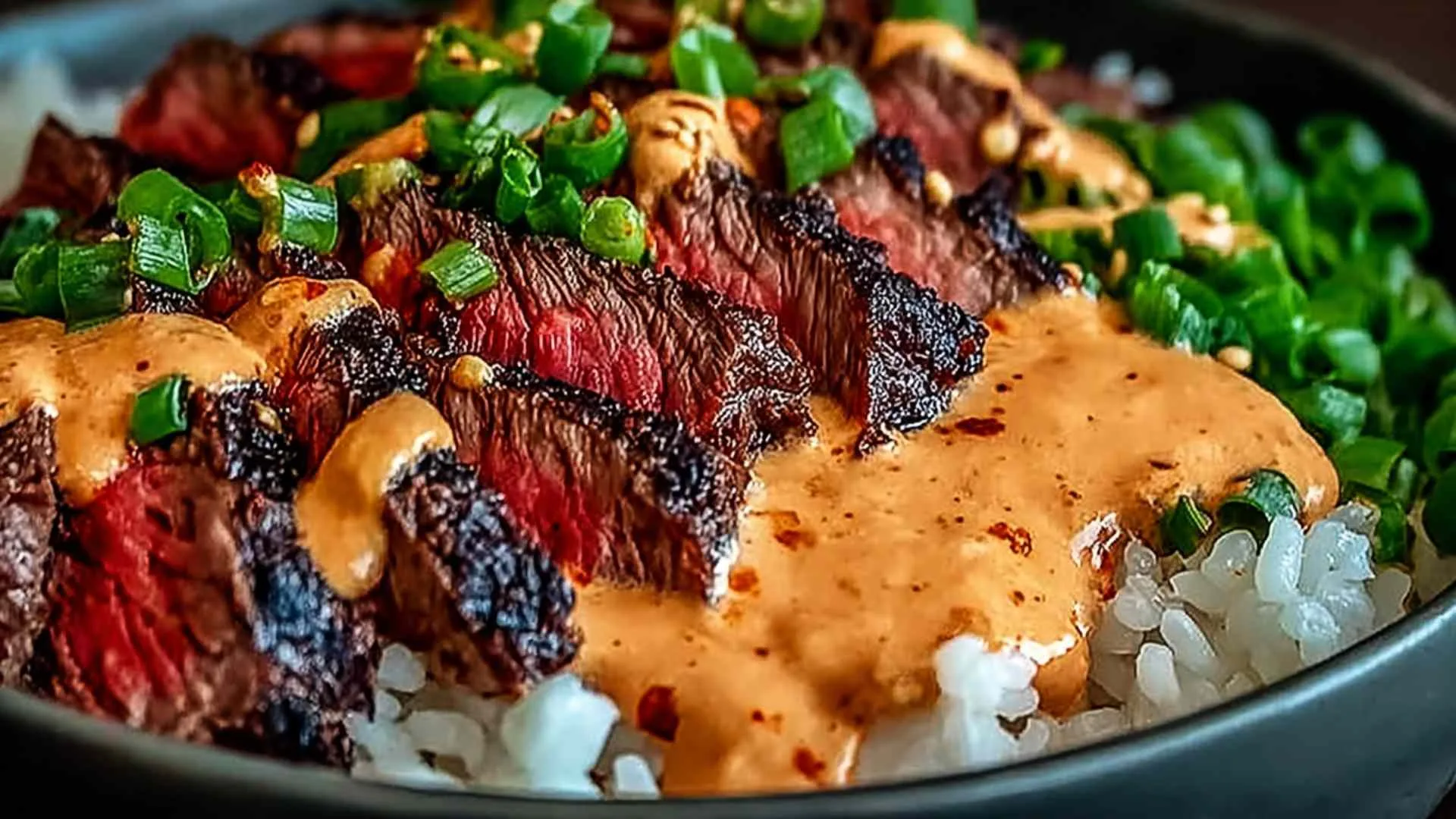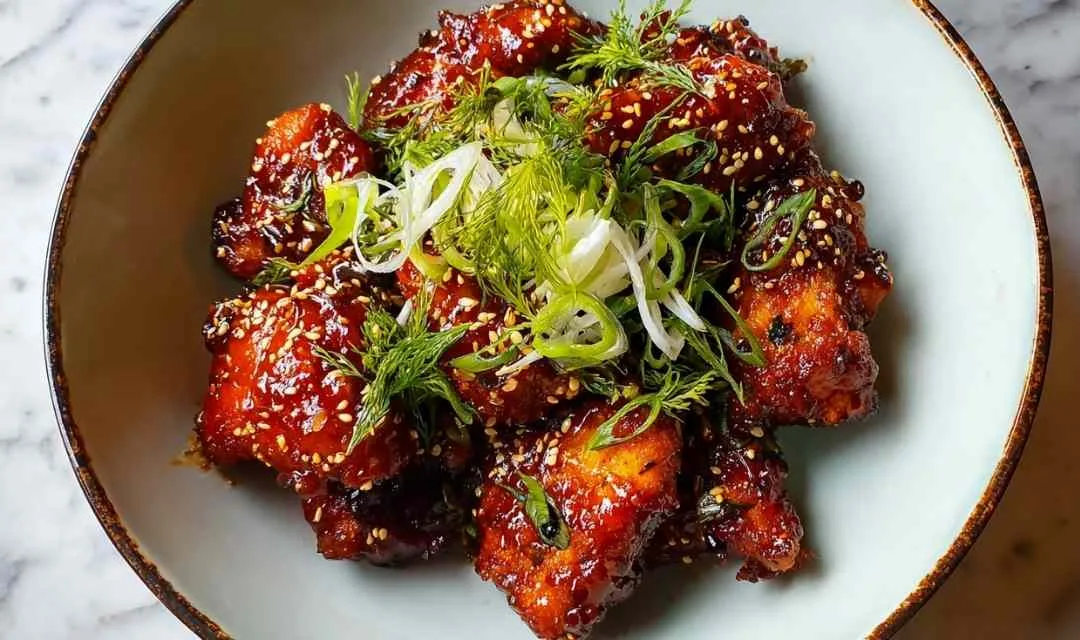
Sticky Honey Gochujang Chicken brings the perfect balance of sweet heat to your dinner table faster than you’d think. This Korean-inspired dish combines tender chicken thighs with a glossy, sticky glaze that clings to every piece, creating restaurant-quality flavors in your own kitchen.
I’ll never forget the first time I tried gochujang at a neighborhood potluck years ago. My friend Min-Ji brought these incredible glazed chicken bites, and I must have gone back to that platter five times. She laughed and finally shared her secret: gochujang, that magical Korean chili paste that brings warmth without overwhelming heat. I went home that night determined to create my own version, and after testing different honey ratios and marinading times, this recipe was born. The way that sticky sauce caramelizes in the skillet, creating little pockets of sweet and spicy goodness, never gets old. My grandkids can’t get enough of it served over fluffy rice with those crunchy sesame seeds on top. Time to get your skillet ready.
Why Sticky Honey Gochujang Chicken Belongs
This recipe solved my weeknight dinner dilemma when I needed something exciting but didn’t want to spend hours in the kitchen. After making this for family gatherings, potlucks, and regular Tuesday nights, it’s become one of those reliable go-to dishes that never disappoints.
The honey gochujang combination creates flavors that keep everyone guessing at the secret ingredient. Here’s what makes this chicken recipe a keeper:
- Uses boneless skinless chicken thighs you likely have in your freezer
- Comes together in under 45 minutes including marinating time
- Delivers consistent, crowd-pleasing results with perfect sweet-spicy balance
- Adapts easily to your heat preference by adjusting gochujang amount
- Creates that perfect sticky coating that makes chicken irresistible
- Pairs beautifully with rice, vegetables, or even tucked into lettuce wraps
I always appreciate recipes that look impressive but don’t require special skills or hard-to-find ingredients. This sticky honey gochujang chicken checks all those boxes.
Ingredient Spotlight
Boneless Skinless Chicken Thighs provide the juiciest, most tender results in this recipe, staying moist even with the high-heat cooking method. I always choose thighs over breasts for stir-fries and skillet dishes because they have more flavor and forgive slight overcooking better.
Gochujang is the star player here, bringing that distinctive Korean flavor with fermented soybean depth and moderate heat. In my kitchen, I prefer the Mother-in-Law’s brand for its balanced flavor, though any Korean chili paste from your local Asian market works beautifully.
Honey adds natural sweetness that balances the gochujang’s heat while helping create that signature sticky glaze. I typically use local wildflower honey, which adds subtle floral notes that complement the spicy elements without overpowering them.
Soy Sauce contributes essential umami depth and saltiness that rounds out the sweet and spicy notes. I’ve found that low-sodium soy sauce gives you better control over the final saltiness while still delivering that rich, savory backbone.
Rice Vinegar provides the acidic brightness that keeps this dish from feeling too heavy or one-dimensional. This ingredient cuts through the richness of the honey and adds that authentic Asian flavor profile.
Fresh Garlic and Ginger bring aromatic complexity that makes your whole kitchen smell amazing while the chicken cooks. I always mince garlic fresh and grate ginger on a microplane for the most intense flavor impact.
Sesame Seeds and Green Onions serve as the finishing touch, adding nutty crunch and fresh bite that elevate this from simple to special. These garnishes aren’t just decorative; they provide textural contrast and bright flavor that completes each bite.
How to Make Sticky Honey Gochujang Chicken
Step 1. I always start by cutting chicken thighs into uniform bite-sized pieces, about 1 to 1.5 inches each, which ensures even cooking and maximizes the surface area for that sticky glaze to cling to. Season lightly with salt and pepper.
Step 2. In a medium bowl, whisk together the gochujang, honey, soy sauce, rice vinegar, minced garlic, and grated ginger until the mixture looks smooth and well combined. Betty’s tip: make sure the gochujang is fully incorporated with no lumps for the most even flavor distribution.
Step 3. Add the chicken pieces to the marinade bowl, using your hands or a spoon to ensure every piece gets thoroughly coated. Cover the bowl and refrigerate for at least 30 minutes, though I’ve found that letting it sit for up to 2 hours creates even deeper flavor penetration.
Step 4. Heat the olive oil in your largest skillet over medium-high heat until it shimmers but doesn’t smoke. Add the marinated chicken along with all that delicious marinade from the bowl, spreading the pieces in a single layer when possible.
Step 5. Cook the chicken for 12 to 15 minutes, stirring every 3 to 4 minutes to prevent sticking and ensure even caramelization. Through trial and error, I learned that patience here is key; the marinade will gradually thicken into that gorgeous sticky sauce that coats each piece perfectly. The chicken is done when it reaches 165°F internally and the sauce has reduced to a glossy glaze.
Step 6. Remove the skillet from heat and transfer the sticky honey gochujang chicken to your serving dish. Sprinkle generously with sesame seeds and sliced green onions for that final touch of flavor and visual appeal.
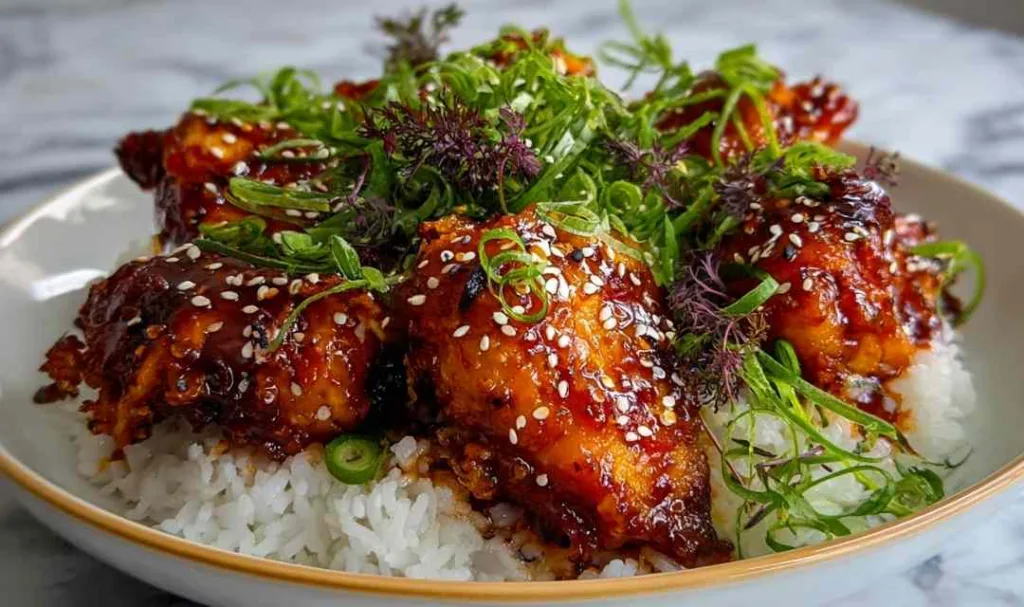
Step 7. Serve immediately while the chicken is hot and the sauce is at its stickiest. I typically pair this with steamed jasmine rice and quickly steamed broccoli or snap peas for a complete meal.
Storage and Reheating Tips
This sticky chicken stores remarkably well, making it perfect for meal prep or enjoying leftovers throughout the week without sacrificing flavor or texture.
Refrigerator Storage: I typically store cooled leftover chicken in an airtight container for up to 4 days in the refrigerator. The sauce may thicken as it cools, but it returns to that perfect sticky consistency when reheated. Betty’s method involves separating any rice or vegetables into different containers to prevent them from absorbing too much sauce.
Freezing Guidelines: While this chicken can be frozen for up to 2 months in freezer-safe containers, I’ve found the texture is best when enjoyed fresh or refrigerated. If you do freeze it, thaw overnight in the refrigerator before reheating for the most even results.
Reheating Methods: For the best texture, I reheat this chicken in a skillet over medium heat with a tablespoon or two of water, stirring frequently until heated through (about 5 to 7 minutes). The microwave works in a pinch, but covering the dish with a damp paper towel helps retain moisture; reheat in 45-second intervals, stirring between each. Avoid reheating in the oven, as the high dry heat can toughen the chicken and make the sauce too thick.
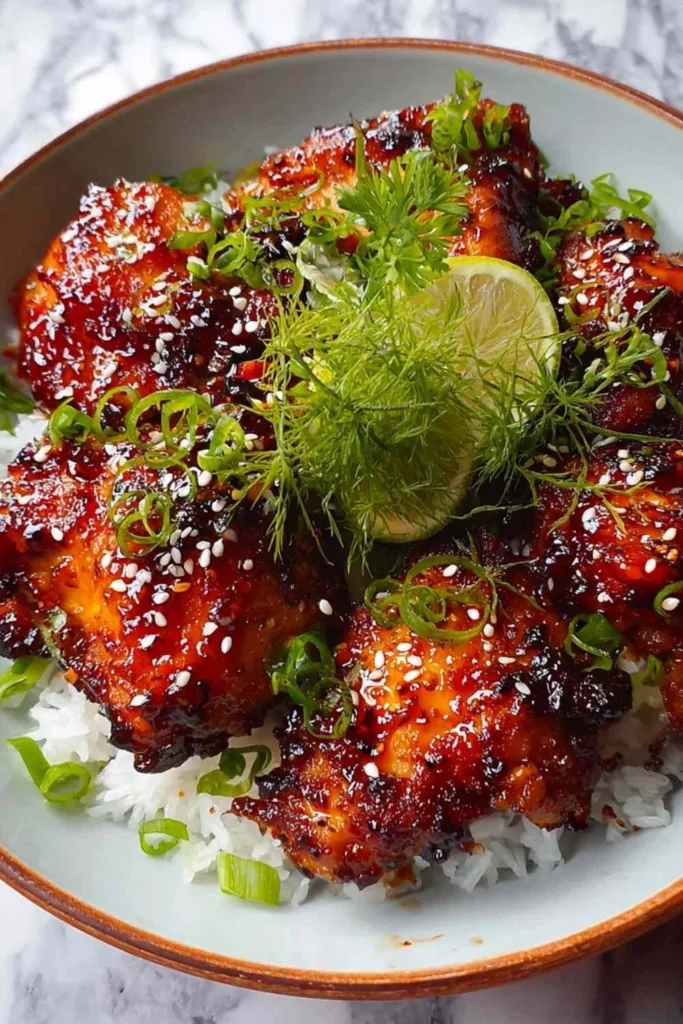
Perfect Partners for Sticky Honey Gochujang Chicken
This versatile chicken pairs beautifully with various sides that complement its bold sweet-spicy profile, making it easy to create complete meals that satisfy everyone at your table.
Steamed Jasmine Rice provides the perfect neutral base that soaks up all that delicious sticky sauce. The fluffy texture and subtle fragrance of jasmine rice balances the bold flavors without competing for attention.
Quick Korean Ground Beef Bowl makes an excellent companion dish when you’re feeding a crowd or want to offer variety at a family gathering. The beef adds heartiness while staying in the same flavor family.
Stir-Fried Vegetables bring fresh crunch and color to round out the meal. I love using snap peas, broccoli florets, and sliced bell peppers quickly tossed in a hot wok with just a touch of sesame oil.
Asian-Inspired Cucumber Salad offers a cool, refreshing contrast to the warm, sticky chicken. The crisp cucumbers with rice vinegar dressing cleanse your palate between bites of the rich glazed chicken.
Garlic Fried Rice elevates this dinner to restaurant quality with minimal extra effort. The toasty garlic flavor and slight crispiness at the edges complement the sticky sauce perfectly.
Kimchi adds that authentic Korean touch with its tangy, fermented flavor and probiotic benefits. Even if you’re new to kimchi, the combination with this honey gochujang chicken is an excellent introduction to this traditional side dish.
FAQs
I recommend sticking with thighs for the best results since they stay much more tender and juicy with this cooking method. If you must use chicken breast, reduce the cooking time to 10 to 12 minutes and watch carefully to avoid drying out the meat.
To prevent overwhelming heat, this recipe uses a moderate amount of gochujang that most people find pleasantly warm rather than burning hot. Betty’s solution for heat-sensitive eaters is to start with 2 tablespoons of gochujang instead of 3, then add more to taste as the sauce cooks.
Many home cooks find success marinating the chicken up to 24 hours in advance for even deeper flavor development. However, I always cook it fresh rather than reheating, as the texture and that perfect sticky coating are best when served immediately after cooking
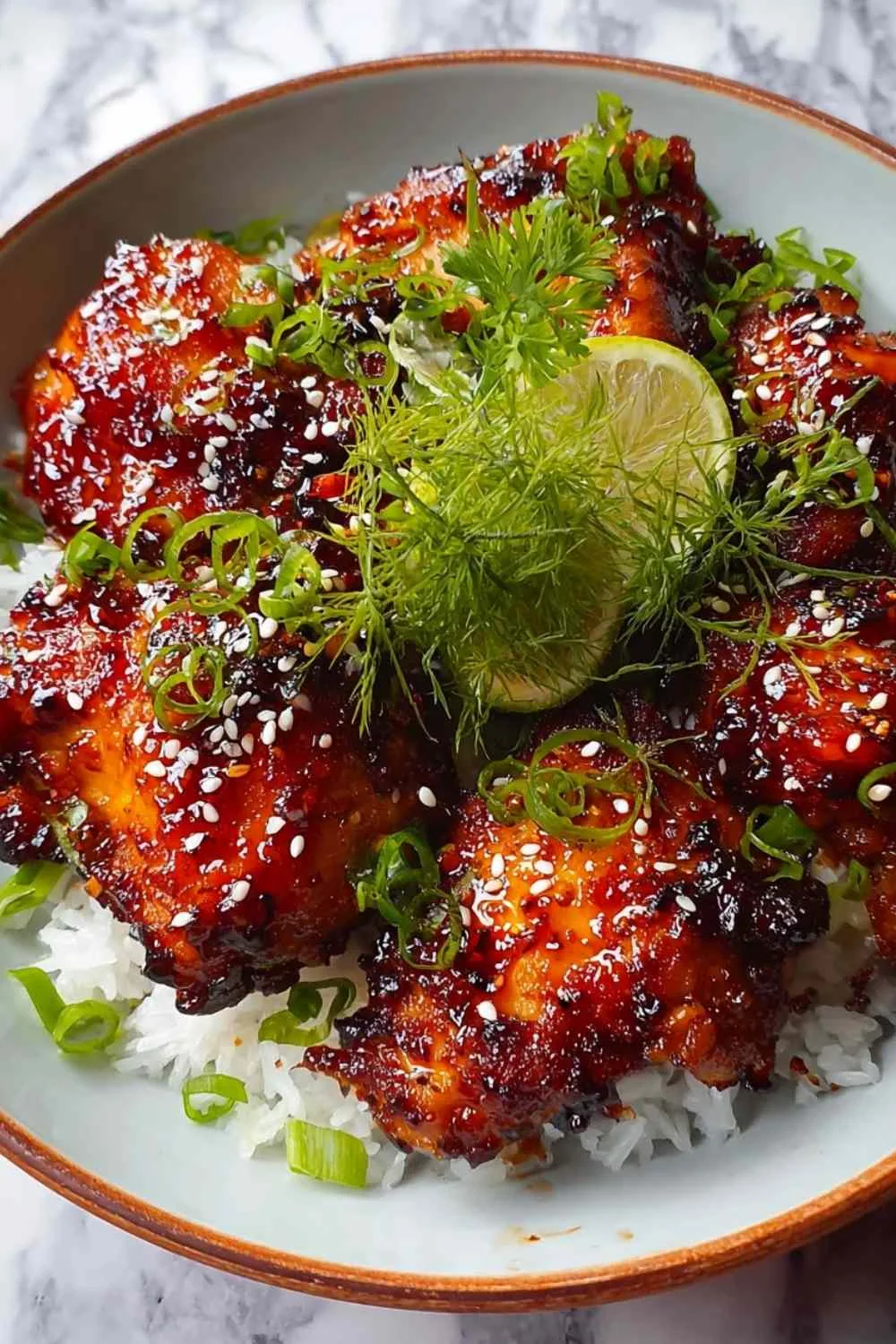
Sticky Honey Gochujang Chicken
Ingredients
Equipment
Method
- Cut chicken thighs into bite-sized pieces (1 to 1.5 inches) and season with a pinch of salt and pepper.
- Add chicken pieces to the marinade, tossing to ensure all pieces are well-coated. Cover and refrigerate for at least 30 minutes (up to 2 hours for deeper flavor).
- Heat olive oil in a large skillet over medium-high heat. Add the marinated chicken along with all the remaining marinade from the bowl.
- Cook chicken for 12 to 15 minutes, stirring every 3 to 4 minutes, until chicken is cooked through (internal temperature 165°F) and marinade has thickened into a sticky, glossy glaze coating the chicken pieces.
- Remove from heat and transfer chicken to serving dish. Garnish generously with sesame seeds and sliced green onions.
- Serve immediately with steamed rice and vegetables for a complete meal.