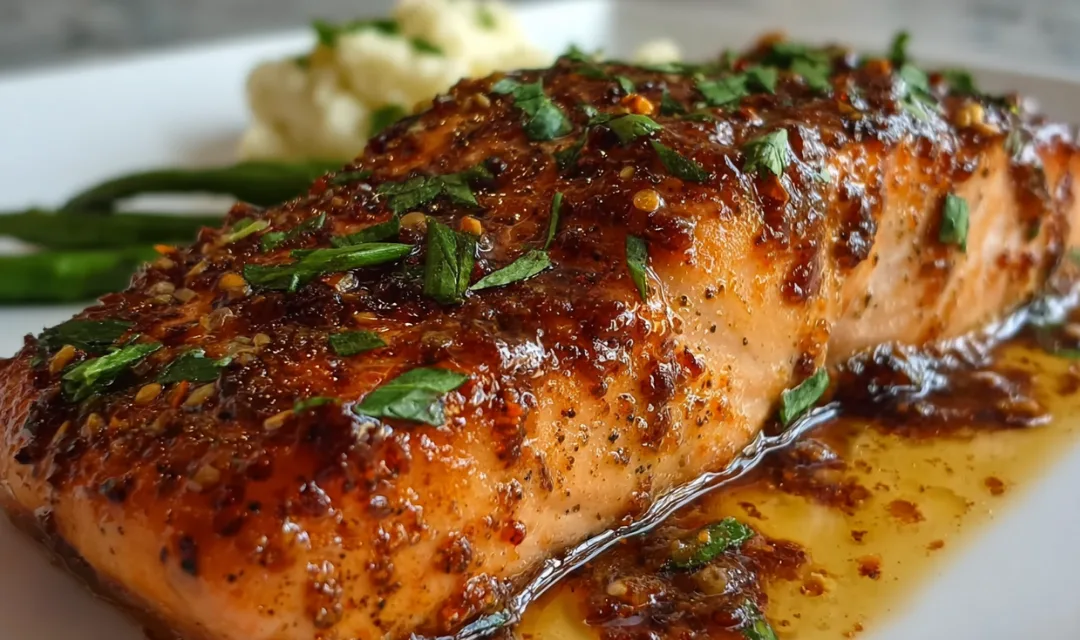
Texas Roadhouse Salmon brings restaurant-quality flavor right to your home kitchen with a beautifully glazed fillet that’s ready in just half an hour. This sweet and savory dish has become one of my most-requested recipes, and I’m thrilled to share why it works so beautifully every single time.
I’ll never forget the first time I tried recreating this salmon at home. It was a rainy Tuesday evening back in 2018, and I wanted something special but didn’t have hours to spend in the kitchen. My granddaughter had raved about the salmon she’d had at Texas Roadhouse, describing that gorgeous caramelized glaze and how the fish just melted in her mouth. So I rolled up my sleeves, pulled out my trusty baking sheet, and got to work figuring out that perfect balance of brown sugar and soy sauce. When I served it that night, my husband looked up from his first bite and said, “Betty, this is better than going out.” The glaze creates this incredible shine on the salmon, and when you break into it with your fork, the fish flakes so perfectly tender. That combination of sweet honey and savory soy sauce with just a hint of garlic is pure magic. Time to get your oven preheated.
What Makes This Texas Roadhouse Salmon So Special
After years of perfecting salmon recipes in my kitchen, I’ve found that this copycat Texas Roadhouse version stands out for several wonderful reasons. The glaze-twice method I use ensures every bite has that signature restaurant flavor, and the ingredients are probably sitting in your pantry right now.
Here’s why this recipe for Texas Roadhouse Salmon belongs in your weekly rotation:
- Ready in just 30 minutes from start to finish, making it perfect for busy weeknight dinners
- Uses simple pantry staples like brown sugar, soy sauce, and honey that you likely already have
- Delivers consistent, foolproof results every single time with straightforward baking instructions
- Creates a beautiful presentation with that glossy caramelized glaze that looks impressive for company
- Provides 35 grams of protein per serving, making it a nutritious choice for your family
- Adapts easily to meal prep since it stores beautifully and reheats without drying out
I’ve made this salmon hundreds of times now, and it never fails to bring smiles to the table. Whether I’m cooking for just my husband or hosting Sunday dinner for the whole family, this recipe always delivers that perfect balance of elegance and ease.
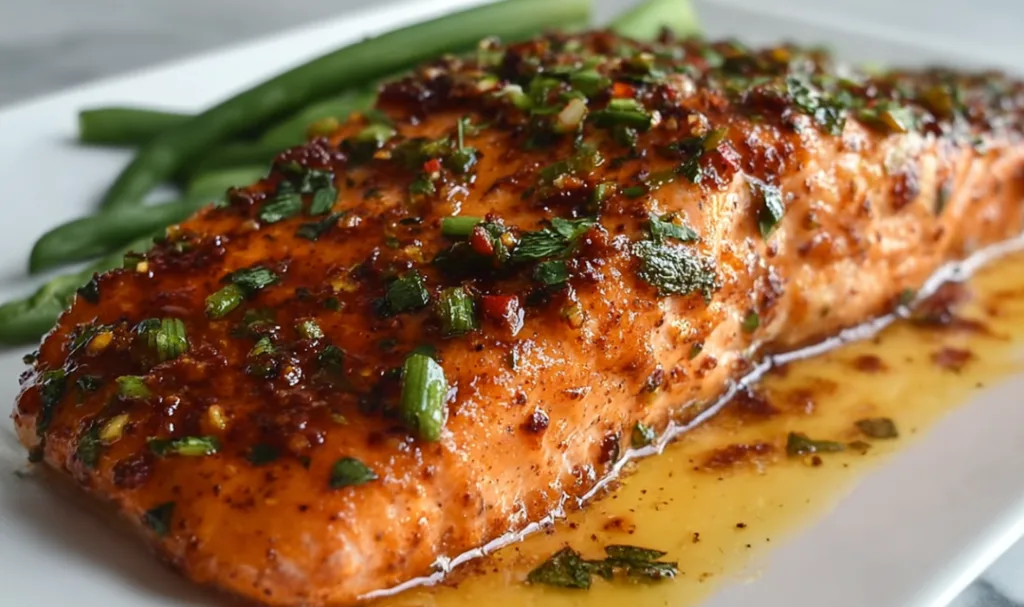
Ingredient Spotlight
Salmon fillets: I always choose fresh salmon fillets around 6 ounces each, looking for bright color and firm flesh that springs back when gently pressed. The quality of your salmon makes all the difference in achieving that tender, flaky texture. If you enjoy other salmon preparations, you might also love my honey pineapple glazed salmon or baked boursin salmon recipes.
Brown sugar: This creates the caramelized sweetness in the glaze and helps form that beautiful glossy coating on the fish. I prefer light brown sugar, but dark brown sugar works wonderfully if you want a deeper molasses flavor.
Soy sauce: The savory backbone of our glaze, soy sauce adds that umami depth and saltiness that perfectly balances the sweetness. I use regular soy sauce, but low-sodium works great if you’re watching your salt intake.
Butter: Melted butter brings richness to the glaze and helps it coat the salmon beautifully while adding a luxurious mouthfeel. Make sure it’s fully melted, then let it cool for about 30 seconds before whisking with the other ingredients to prevent the sugar from clumping.
Honey: This natural sweetener adds another layer of sweetness and helps the glaze achieve that perfect sticky consistency that clings to every bite of fish.
Garlic powder: I’ve learned that garlic powder distributes more evenly in the glaze than fresh garlic and provides that aromatic flavor without any harsh bite.
Black pepper: Freshly ground black pepper adds a gentle heat and complexity that keeps the glaze from being one-dimensional.
Paprika: Just a touch of paprika contributes a subtle smokiness and helps achieve that appealing reddish color in the finished glaze.
Fresh parsley: Chopped parsley provides a pop of color and fresh herbaceous flavor that brightens the rich glazed salmon beautifully.
For more delicious salmon recipes, check out my pan-seared salmon with lemon garlic cream sauce or try these crispy salmon bowls for a complete meal.
How to Make Texas Roadhouse Salmon
Step 1. I always start by preheating my oven to 400°F and lining a baking sheet with parchment paper – this makes cleanup so much easier and prevents sticking. Pat those salmon fillets completely dry with paper towels because any moisture will prevent the glaze from adhering properly. I learned this the hard way years ago when my first attempt had a watery glaze that just slid right off.
Step 2. Betty’s tip: Whisk together the brown sugar, soy sauce, melted butter, honey, garlic powder, black pepper, and paprika in a small bowl until the mixture is smooth and the sugar has dissolved. This Texas Roadhouse Salmon glaze should be pourable but thick enough to coat the back of a spoon, with a consistency similar to warm maple syrup.
Step 3. After years of making this, I’ve found that placing the salmon on the prepared baking sheet works best when you pay attention to the skin. If your fillets have skin, position them skin-side down so the glaze coats the top surface. For skinless fillets, place them directly on the parchment. Use a pastry brush to generously coat each fillet with about half of the glaze.
Step 4. Bake the salmon for 8 minutes, then carefully remove the baking sheet from the oven and brush the fillets with the remaining glaze. This double-glazing technique is the secret to achieving that restaurant-style caramelized coating. You’ll notice the edges starting to turn opaque.
Step 5. Return the salmon to the oven and bake for an additional 8 to 10 minutes until the fish flakes easily when gently pressed with a fork and the flesh appears opaque throughout, reaching an internal temperature of 145°F. I always use my meat thermometer to check – it’s the most reliable way to ensure perfectly cooked fish. The glaze should look glossy and slightly caramelized at the edges.
Step 6. The key I discovered is letting the salmon rest for 2 minutes after removing it from the oven, which allows the juices to redistribute throughout the fish and gives the glaze time to set into that beautiful coating. Sprinkle with fresh chopped parsley just before serving for that finishing touch.
Keeping This Salmon Fresh
I typically store leftover Texas Roadhouse Salmon in an airtight container in the refrigerator, where it stays fresh for up to 3 days. The key is letting the salmon cool to room temperature, about 15 to 20 minutes, before sealing the container, which prevents condensation from making the glaze soggy.
Through trial and error, I learned that this salmon can be frozen, though the texture of the glaze changes slightly upon reheating. If you do want to freeze it, wrap each fillet individually in plastic wrap, then place them in a freezer-safe bag or container for up to 2 months. I label mine with the date so I remember when I made it.
For the best texture, I reheat salmon gently in a 300°F oven for 5 to 7 minutes until just warmed through. You can also use the microwave on medium power in 30-second intervals, but the oven method preserves that lovely glazed exterior better. Betty’s method works well because slow, gentle reheating prevents the fish from drying out or becoming rubbery.
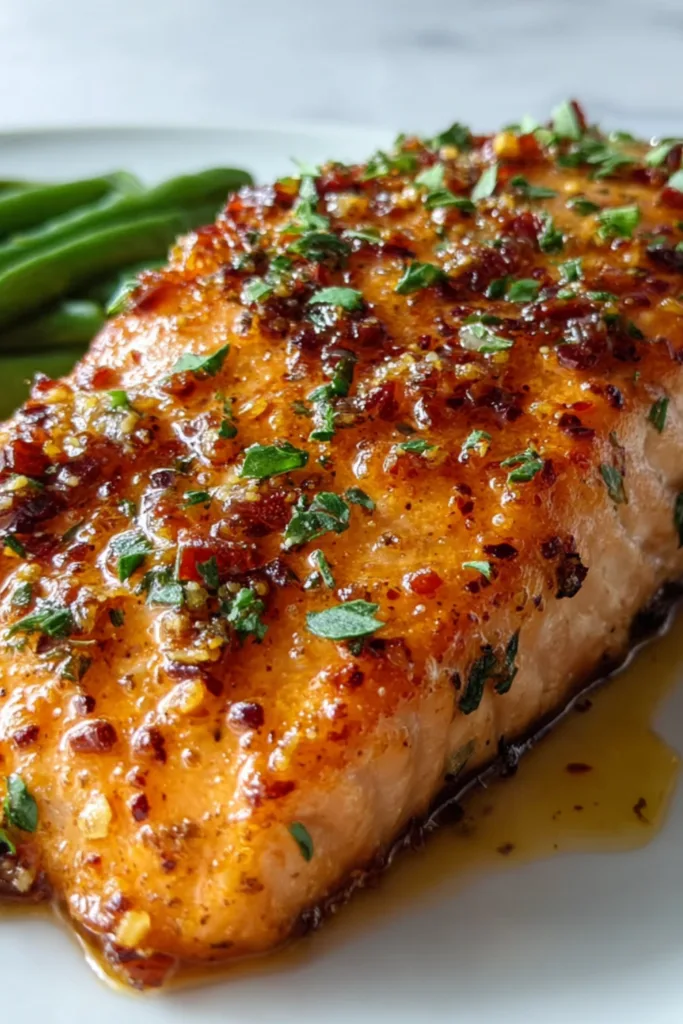
Perfect Partners for This Salmon
This glazed salmon pairs beautifully with sides that balance its sweet and savory profile. Here are my family’s favorite combinations:
- Steamed broccoli or asparagus: The fresh, slightly bitter vegetables cut through the richness of the glaze and add a healthy green element to your plate.
- Fluffy white rice or quinoa: These mild grains soak up any extra glaze that pools on the plate and provide a satisfying base for the meal. My street corn chicken rice bowls use a similar rice preparation technique.
- Roasted baby potatoes with herbs: Crispy on the outside and creamy inside, roasted potatoes offer a comforting contrast to the tender fish.
- Fresh garden salad with vinaigrette: A crisp salad with a tangy dressing provides a refreshing counterpoint to the sweet glazed salmon.
- Sautéed green beans with garlic: Simple garlicky green beans add a savory vegetable side that doesn’t compete with the star of the show. Try my honey glazed carrots and green beans for a perfectly coordinated side dish.
- Buttery dinner rolls: Perfect for soaking up every last bit of that delicious glaze. My grandkids always fight over the extra rolls.
For a complete side dish solution, my sweet potato and green bean tray is an excellent choice that bakes alongside the salmon.
FAQs
I recommend thawing frozen salmon completely in the refrigerator overnight before using it in this recipe. Pat it extra dry with paper towels since frozen salmon releases more moisture, which can prevent the glaze from adhering properly.
To prevent this issue, you can substitute white granulated sugar mixed with a teaspoon of molasses, or use all honey instead. The flavor will be slightly different but still delicious.
Many home cooks find success with preparing the glaze a day ahead and storing it in the refrigerator. However, I always cook the salmon fresh for the best texture and flavor, as reheated salmon never quite matches the tender flakiness of freshly baked.
Amazing Texas Roadhouse Salmon in 30 Minutes
Ingredients
Equipment
Method
-
Preheat oven to 400°F (200°C). Line a baking sheet with parchment paper and pat salmon fillets completely dry with paper towels.
-
Place salmon fillets on the prepared baking sheet. If your fillets have skin, position them skin-side down. For skinless fillets, place them directly on the parchment. Use a pastry brush to coat each fillet with half of the glaze.
-
Bake for 8 minutes. Remove from oven and brush fillets with remaining glaze.
-
Return to oven and bake for an additional 8 to 10 minutes until salmon flakes easily when gently pressed with a fork, the flesh appears opaque throughout, and it reaches an internal temperature of 145°F.
-
Remove from oven and let rest for 2 minutes to allow juices to redistribute and glaze to set. Sprinkle with fresh chopped parsley and serve immediately.