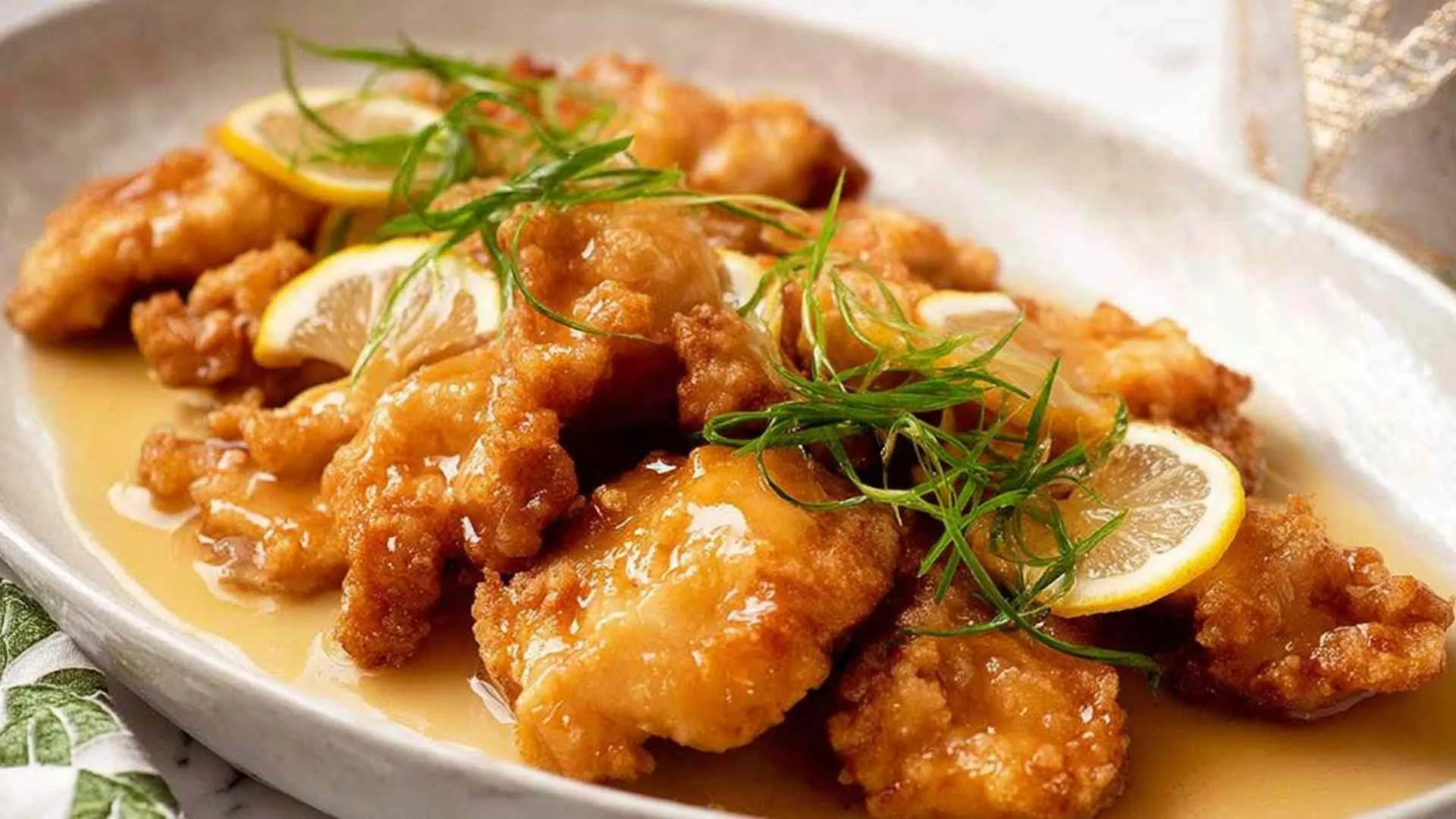
Crispy Chinese Lemon Chicken is the kind of dish that stops a dinner table cold. One bite of that golden battered cutlet drenched in a tangy, bright lemon sauce and everyone at the table goes quiet. I first discovered this recipe watching my neighbor Mrs. Liang lower chicken into shimmering oil on a Saturday afternoon. The sizzle filled her small kitchen, the smell hit me before I even crossed the threshold, and I knew right then I had to learn it. This is not the soggy, tooth-achingly sweet version you sometimes get from a takeout box. This is crispy Chinese lemon chicken the old-school way, with a batter built for crunch and a sauce you will actually want to taste.
What makes this version different is the double-fry method and the ice-cold soda water batter, two techniques that change everything. Growing up in the Midwest, I was used to hearty, straightforward cooking. But this dish taught me that a little technique goes a long way. Mrs. Liang did not rush a single step, and I learned not to either. Your kitchen is about to smell incredible, so let us get started.
Why This Crispy Chinese Lemon Chicken Belongs in Your Recipe Box
If you have only ever had lemon chicken from a restaurant, you are in for a revelation. This homemade version gives you control over everything the takeout version gets wrong: the sweetness level, the batter texture, the freshness of the lemon flavor. It also fits into a busy evening better than you might expect once you understand the prep-ahead approach.
- Old-school whole cutlet style, not fussy bite-size pieces
- Batter stays crispier longer thanks to cold soda water and the double-fry technique
- Lemon sauce uses real fresh lemon juice for genuine bright flavor, not the artificial sweetness you find in most restaurant versions
- No egg in the batter, which is the secret to maximum crispiness
- Less greasy than typical deep-fried dishes because the double-fry method draws out excess oil
- Prep-ahead friendly: do Fry 1 up to one hour before serving and finish with Fry 2 right before eating
Ingredient Spotlight
Understanding Your Ingredients
Chicken thighs. In my kitchen, I always reach for boneless skinless chicken thighs first. The meat stays juicy through two rounds of frying, and the uneven craggy edges create extra crispy bits that lean breast meat simply cannot match. Breast works fine too. Just halve each breast lengthwise into two thin steaks and follow the recipe as written without the pounding step.
Cornstarch for dusting. A light coating of cornstarch on the chicken before it goes into the batter acts as a moisture barrier. It stops the chicken’s natural juices from making the batter soggy from the inside out and gives the batter a surface to grip onto. Do not skip this step.
Cornstarch and all-purpose flour in the batter. Using both is the trick. Cornstarch delivers crispiness. Flour brings the golden color and the puff thanks to baking powder, which only activates with flour. Together they create the coating you see at Chinese restaurants.
Baking powder. Just one quarter teaspoon. This is what gives the batter that light, airy puff rather than a dense, hard shell. More is not better here.
Ice-cold soda water. This is non-negotiable. Use club soda or seltzer, not sparkling mineral water which is not fizzy enough. The carbonation creates bubbles in the batter for a lighter crust, and the cold temperature means the batter sets and crisps almost instantly when it hits the hot oil. Keep it in the back of the fridge and add it at the very last moment.
Fresh lemon juice. Bottled works in a true emergency, but fresh lemons give the sauce the vivid, clean brightness the dish depends on. Squeeze yours right before making the sauce.
Low-sodium chicken broth. Using broth instead of water gives the sauce a savory depth that makes every bite more interesting. Water produces a one-dimensional sauce that falls flat against the lemon.
Chinese cooking wine (Shaoxing wine). One tablespoon rounds out the sauce with subtle, authentic depth. If you prefer alcohol-free, add a small pinch of extra salt since Shaoxing wine is primarily a salty, savory ingredient.
White sugar. One third of a cup may sound like a lot, but lemon is intensely sour and you need enough sugar to bring the sauce into balance. The result is sweet-tangy, not tooth-achingly sweet like many restaurant versions.
How to Make Crispy Chinese Lemon Chicken Step by Step
Step 1. Refrigerate the batter dry. Whisk the cornstarch, flour, baking powder, and salt together in a mixing bowl. Place the entire bowl in the refrigerator while you prepare everything else. Starting with cold dry ingredients means the batter stays colder longer once the soda water goes in.
Step 2. Pound the chicken. Place each thigh on a cutting board, cover with a freezer bag, and pound with a meat mallet or the bottom of a heavy skillet until an even one third inch (0.7 cm) thick. Sprinkle both sides with the half teaspoon of kosher salt. Uniform thickness means the chicken cooks evenly with no dry edges and no underdone centers.
Step 3. Dust with cornstarch. Spread the quarter cup of cornstarch on a flat plate. Press each piece of chicken into it on both sides, shake off the excess, and set aside on a clean plate. This thin coating is what keeps the batter attached and the crust dry during frying.
Step 4. Preheat the oil. Pour oil into a large heavy-based pot to a depth of at least 1.6 inches (4 cm) and heat to 320 degrees F (160 degrees C). Use a cooking thermometer. The oil must be deep enough so the chicken floats and does not rest on the bottom of the pot.
Step 5. Finish the batter. Pull the dry batter bowl from the fridge and pour in the ice-cold soda water. Whisk just until combined. A few small lumps are perfectly fine, and over-whisking makes the crust less puffy. The batter should be thin enough to coat the chicken lightly.
Step 6. Fry 1 at low temperature. Dip a piece of chicken in the batter, let the excess drip off for a couple of seconds, then carefully lower it into the oil. Fry 2 pieces at a time for 3 minutes until very pale golden, borderline white, but puffed and set. Do not touch the chicken for the first full minute. Moving it too early tears the batter right off. Remove to a paper towel-lined tray and repeat with the remaining pieces.
Step 7. Cool for 20 minutes. Leave the chicken uncovered to rest for a full 20 minutes. The crust will soften as it cools. That is expected and is exactly what makes Fry 2 work so well. Use this time to make the lemon sauce.
Step 8. Make the lemon sauce. In a small saucepan, whisk the 6 teaspoons of cornstarch with a small splash of chicken broth until completely lump-free. Add the remaining broth and all other sauce ingredients. Bring to a simmer over medium heat and cook for 3 minutes, whisking occasionally, until the sauce reaches a thin honey consistency. At first it will look very thick, then it thins out. Remove from heat, cover, and keep warm.
Step 9. Fry 2 at high temperature. Heat the oil to 390 degrees F (200 degrees C). Fry the chicken in batches of 2 for 3 minutes until deep golden and super crispy, turning halfway through. Remove to a paper towel-lined tray.
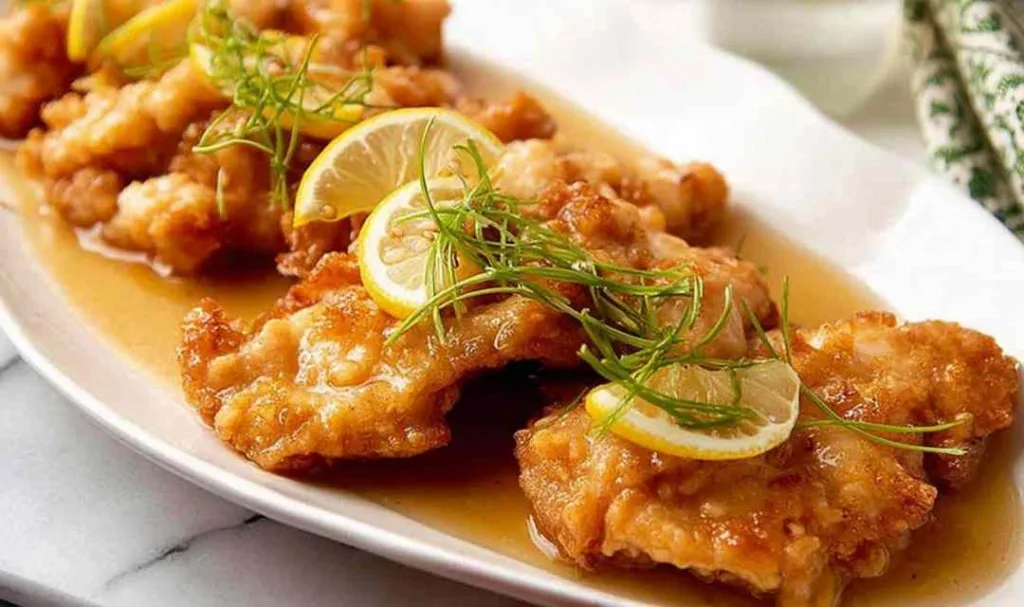
Step 10. Slice, sauce, and serve. Slice each piece into three quarter inch (2 cm) strips and transfer to a serving plate. Spoon the warm lemon sauce generously over the top. Garnish with sliced green onion and lemon slices if using. Serve immediately. Tell everyone to eat fast. This crispy Chinese lemon chicken is best enjoyed the moment it hits the table.
If you love crispy fried chicken dishes, our Easy Chinese Beef and Broccoli pairs beautifully as a second main for a full Chinese-inspired spread.
Betty’s Tips for Best Results
Keep the batter refrigerator-cold the entire time. Pop it back in between batches if your kitchen is warm or if anything interrupts the process.
Do not touch the chicken for the first minute of Fry 1. Moving it too soon tears the batter off and leaves you with a naked piece of chicken and a floating ghost-crust in the oil.
The full 20-minute rest between Fry 1 and Fry 2 is not optional. I have tested it both ways. Waiting makes the crust dramatically crispier the second time around.
Double-check your cornstarch measurement for the sauce. It is 6 teaspoons, not tablespoons. Tablespoons will produce a sauce so thick it sets like jelly on the plate.
Serve and eat immediately after saucing. Lemon sauce has a high water content and will begin softening the crust within minutes. Beautiful, delicious chaos best enjoyed fast.
Make-ahead strategy: Do Fry 1 up to 1 hour early and leave the chicken out uncovered. Do Fry 2 right before serving. The batter is no longer dripping so the workflow is remarkably stress-free.
If making the lemon sauce ahead, swap the cornstarch for an equal amount of arrowroot. Cornstarch-thickened sauces can go watery when reheated; arrowroot holds up much better.
Keeping This Recipe Fresh: Storage and Reheating
Store leftovers in an airtight container in the refrigerator for up to 3 days. Keep the chicken and sauce in separate containers whenever possible. The crust softens once it sits in the sauce, but the flavor is still wonderful and leftovers reheat well.
Freezing is not recommended for this recipe. The batter does not survive freezing and thawing well and tends to become rubbery.
For reheating, a toaster oven or air fryer at 375 degrees F for 5 to 6 minutes is your best option. This brings back most of the crunch. Avoid the microwave, which steams the crust and eliminates any remaining texture.
What Goes Well with Crispy Chinese Lemon Chicken
The tangy lemon sauce and golden crust call for sides that either soak up the flavor or offer a clean fresh contrast. Here is what works best alongside this dish.
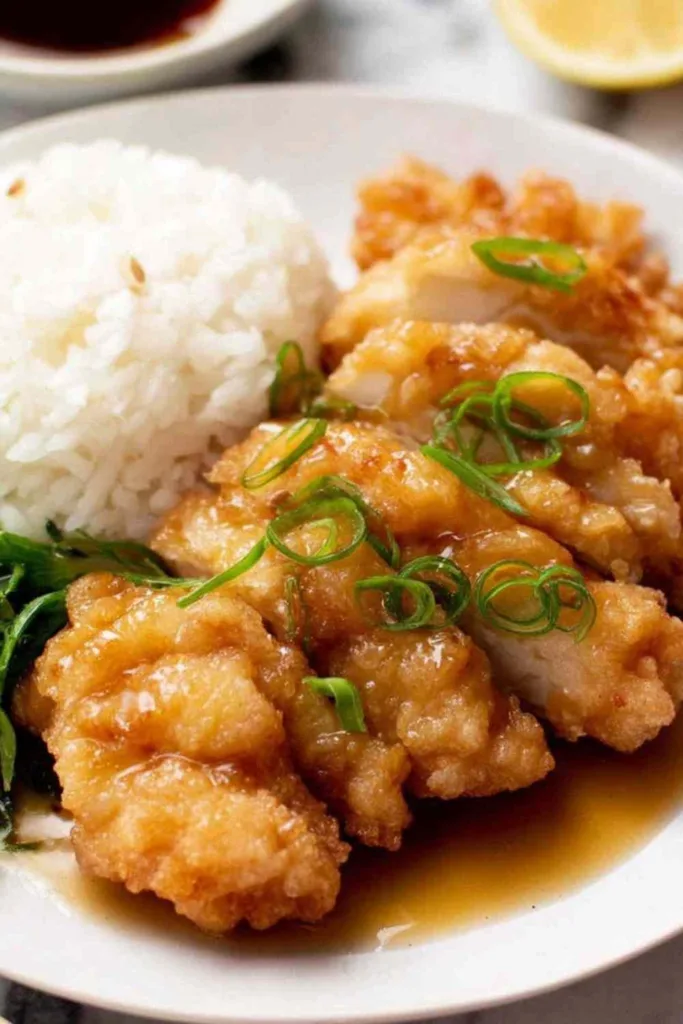
- Steamed white rice. The classic pairing. Plain steamed rice absorbs the lemon sauce beautifully and lets the chicken be the center of attention.
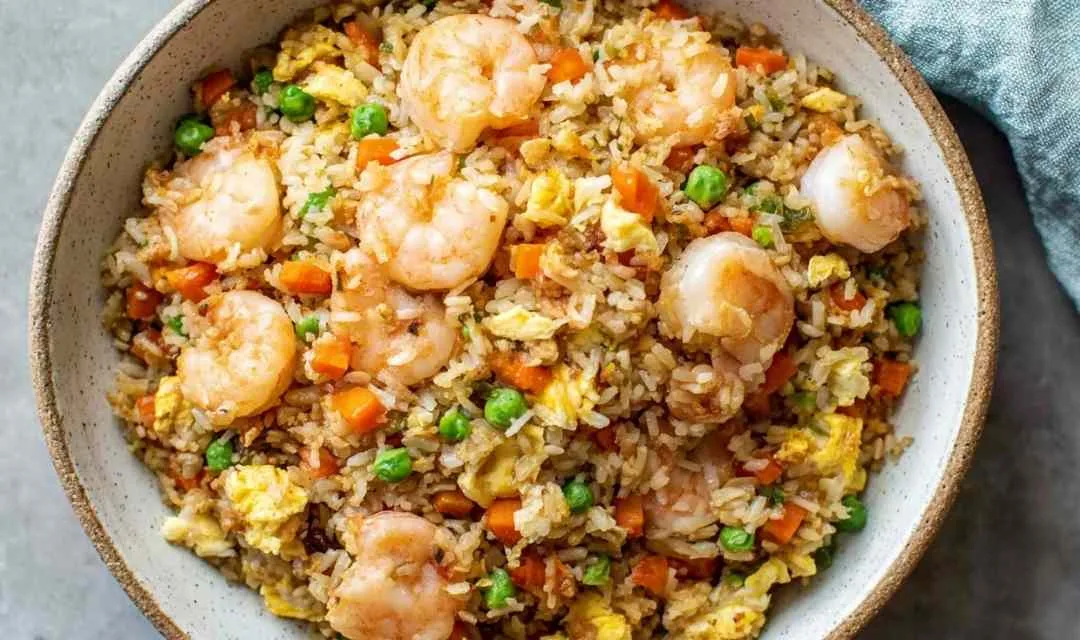
- Egg Fried Rice. A more filling upgrade when you want a heartier meal. Try our Bang Bang Fried Rice as a fun flavor-forward alternative that plays beautifully against the lemon sauce.
- Chinese Broccoli with Oyster Sauce. The slightly bitter greens and savory sauce contrast perfectly with the sweet-tangy lemon coating on the chicken.
- Garlic Rice. Buttery, fragrant, and unexpectedly good alongside the bright lemon sauce. You would not think garlic and lemon need each other here, but they do.
- Chicken Zucchini Stir Fry. If you want a lighter vegetable side to round out the meal, our Chicken Zucchini Stir Fry fits the bill perfectly and comes together while the chicken is resting between fries.
- Char Siu Chinese BBQ Pork. If you are building a full banquet spread, add oven-baked Char Siu. It requires no juggling of stove burners and rounds out the meal into something truly special.
For a complete easy weeknight dinner pairing, our Easy Garlic Butter Steak with Parmesan Cream Sauce makes a great surf-and-turf companion if you want to stretch the meal for a larger crowd.
FAQs
Yes. Halve the breasts lengthwise to create 4 thin steaks and follow the recipe as written without the pounding step. Thighs stay juicier and have more craggy surface area for extra crunch, but breast works perfectly well with this batter.
Two likely causes. First, the chicken was not dusted with cornstarch before being dipped, which means the batter has nothing to grip. Second, the chicken was moved too soon in the oil. Always wait the full first minute before touching it.
Almost certainly a measurement mix-up. The recipe calls for 6 teaspoons of cornstarch, not tablespoons. Using tablespoons is three times the amount and produces a sauce that sets solid on the plate. Measure carefully and you will get a perfectly glossy, pourable result.
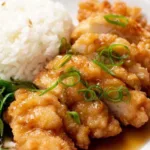
Crispy Chinese Lemon Chicken
Ingredients
Equipment
Method
-
Whisk cornstarch, flour, baking powder, and salt in a mixing bowl. Place the entire bowl in the refrigerator while you prepare everything else. Cold dry ingredients help keep the finished batter colder longer.
-
Cover each chicken thigh with a freezer bag and pound with a meat mallet or heavy skillet until an even 1/3 inch (0.7 cm) thick. Sprinkle both sides with the 1/2 tsp kosher salt.
-
Spread 1/4 cup cornstarch on a flat plate. Press each piece of chicken into the cornstarch on both sides, shake off the excess, and set aside on a clean plate.
-
Pour oil into a large heavy-based pot to at least 1.6 inches (4 cm) depth. Heat to 320 degrees F (160 degrees C). Use a thermometer to confirm the temperature.
-
Dip one piece of chicken in the batter and let the excess drip off for a couple of seconds. Carefully lower it into the oil. Repeat with a second piece. Fry for 3 minutes until very pale golden and puffed. Do not touch the chicken for the first full minute. Remove to a paper towel-lined tray. Repeat with remaining chicken.
-
Let the chicken rest uncovered for 20 minutes. The crust will soften during this time. That is expected. Make the lemon sauce during this rest period.
-
In a small saucepan, whisk the 6 tsp cornstarch with a small splash of chicken broth until completely lump-free. Add the remaining broth and all other sauce ingredients. Bring to a simmer over medium heat. Cook for 3 minutes, whisking occasionally, until the sauce reaches a thin honey consistency. It will look very thick at first, then thin out. Remove from heat, cover, and keep warm.
-
Heat the oil to 390 degrees F (200 degrees C). Fry the chicken 2 pieces at a time for 3 minutes until deep golden and super crispy, turning the chicken halfway through. Remove to a paper towel-lined tray.
-
Slice each piece into 3/4 inch (2 cm) strips. Transfer to a serving plate. Spoon the warm lemon sauce generously over the top. Garnish with sliced green onion and lemon slices if using. Serve immediately with steamed rice.