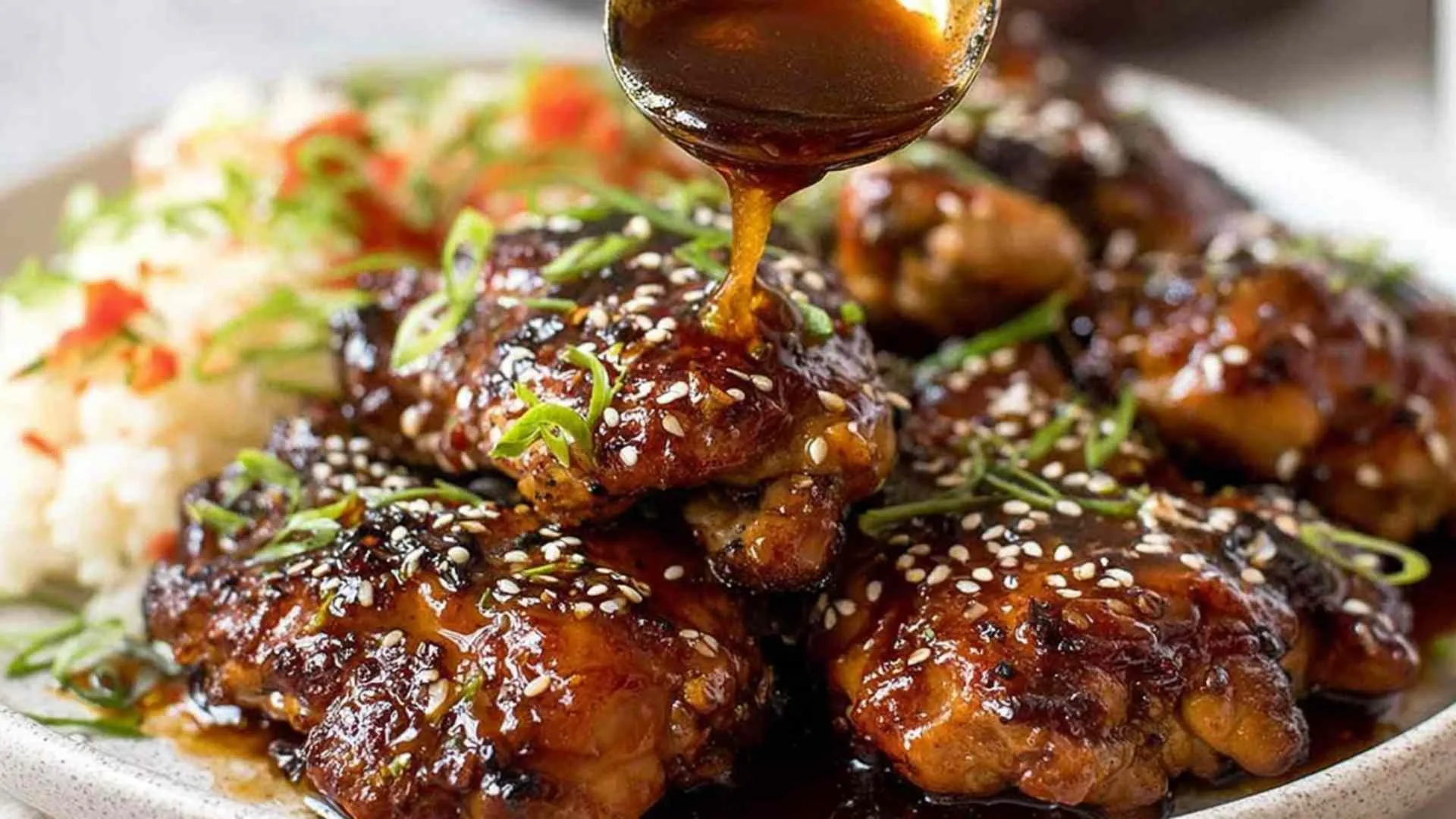
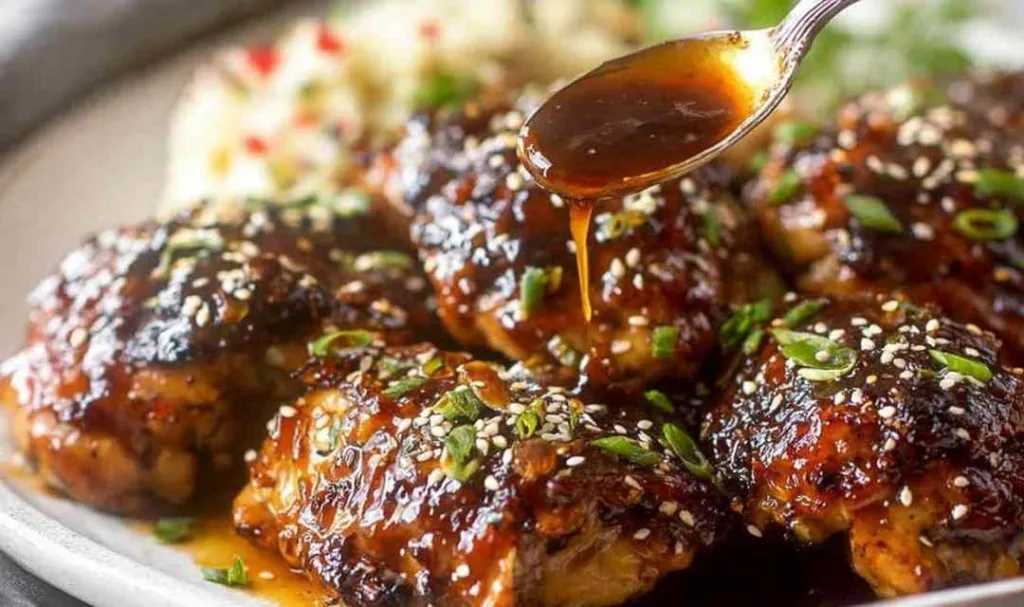
This honey soy chicken marinade is the one recipe I reach for whenever I want grilled chicken that actually tastes like something – golden, lacquered, and packed with that sweet-salty depth that everyone at the table asks about. I have been making a version of this since my thirties, long before store-bought marinades showed up in every grocery aisle, and I can promise you: nothing from a bottle comes close.
Growing up in the Midwest, Sunday supper at my grandmother’s farmhouse always smelled of something slow and rich. She kept a jar of local honey on the windowsill above the sink, and a bottle of soy sauce that my mother discovered at the specialty shop two towns over. On warm June evenings, she would mix them together with a splash of vinegar and call it her secret glaze. I thought of her the first time I stood at my own backyard grill, my kids setting the picnic table while the chicken sizzled and that gorgeous caramel smell drifted across the yard. It was not just dinner – it was a feeling. And now I get to pass it straight to you. Your kitchen is about to smell incredible.
5 Reasons This Honey Soy Chicken Marinade Works Every Time
Betty has cooked for three kids, two grandchildren, and more neighborhood potlucks than she can count – which means this honey soy chicken marinade has been tested under every condition imaginable. Here is why it never fails.
- One bowl, three jobs. The same mixture marinates your chicken, becomes your basting sauce, and gets thickened into a glossy serving sauce. No extra recipes, no extra dishes.
- Made with real honey, not syrups or sweeteners. You will taste the difference immediately in the depth and floral warmth of the glaze.
- Works for thighs AND breast. Both cuts get specific cook times so nothing dries out.
- Marinade and freeze. Combine the chicken and marinade, freeze it raw. Thaw overnight in the fridge and cook – dinner prep done days in advance.
- Pairs with everything. Pineapple fried rice, mashed potatoes, Asian slaw, coconut rice – this chicken makes friends with any side you put next to it.
Key Players in This Recipe
Before you start mixing, let Betty walk you through the ingredients that matter most. Understanding what each one does makes the difference between a good glaze and a great one.
Soy sauce is the savory backbone of the entire marinade. Always choose all-purpose or light soy sauce – never dark soy, which is too intense and makes the sauce bitter. It draws moisture into the chicken through osmosis, tenderizing while it flavors.
Honey is the star, and please use the real thing. It creates that beautiful lacquered finish on the grill, caramelizing under the heat and giving the chicken its signature amber color. Maple syrup works as a substitute, but honey is what Betty always reaches for.
Chinese cooking wine (Shaoxing wine) is the ingredient most home cooks skip – and it is exactly why homemade honey soy chicken so often tastes flat. A quarter cup adds a round, wine-like depth that no other ingredient fully replicates. In my kitchen, I keep a bottle from the Asian grocery store at all times. Best substitutes, in order of preference: dry sherry, Mirin, cooking sake, or half a cup of chicken stock.
Cider vinegar balances the honey’s sweetness with a gentle tang, keeping the marinade from tipping too sweet. Rice vinegar works equally well if that is what you have.
Toasted sesame oil – the brown kind, not the pale yellow untoasted variety – adds a warm, nutty aroma that ties the whole sauce together. It goes in last and in small amounts because its flavor is powerful.
Garlic, finely minced, distributes evenly through the marinade and caramelizes on the grill. Always mince fresh – never jarred – for the cleanest sharpest flavor.
Cornstarch transforms the reserved marinade into a silky serving sauce by thickening it over gentle heat. Mix it into cold water first to prevent clumping before adding it to the pan.
Ingredients
The Chicken:
- 2.5 to 3 lb (1.25 to 1.5 kg) skinless boneless chicken thighs OR breast
- 1 tablespoon vegetable oil (for cooking)
Honey Soy Marinade Sauce:
- 1/2 cup soy sauce (all-purpose or light – NOT dark)
- 2/3 cup honey (or maple syrup)
- 1/3 cup cider vinegar (or rice vinegar)
- 1/4 cup Chinese cooking wine or dry sherry
- 1 tablespoon toasted sesame oil
- 1 1/2 tablespoons garlic, finely minced
Serving Sauce:
- 2/3 cup reserved marinade (set aside BEFORE adding chicken)
- 1/3 cup water
- 1 1/2 teaspoons cornstarch
Optional Garnishes:
- Green onion, finely sliced
- Sesame seeds
Betty’s Tested Technique – Step by Step
I have learned over years of making this honey soy chicken marinade that the order of operations is everything. Read through once before you start and the whole process will feel seamless.
Step 1. Place all marinade sauce ingredients in a large measuring jug and stir well until the honey dissolves completely. Do not skip the stirring – undissolved honey sinks to the bottom and will not distribute evenly.
Step 2. Pour out exactly 1/4 cup into a small dish and refrigerate. This is your basting sauce. Set it aside before the chicken ever touches the remaining marinade.
Step 3. Pour out 2/3 cup into a separate container and refrigerate. This becomes your glossy table sauce. Reserve it now, before the chicken goes in.
Step 4. Pour the remaining marinade over the chicken in a container or zip-top bag. Coat every piece thoroughly, then cover and refrigerate for 24 to 48 hours. The minimum is 3 hours if you are short on time, but 24 hours is where the magic really starts.
Step 5. When you are ready to cook, combine the reserved 2/3 cup sauce with the cornstarch stirred into 1/3 cup cold water. Add to a small saucepan and simmer over medium heat for 5 minutes, stirring regularly, until it thickens to a syrupy consistency. Keep warm on your lowest burner setting. If it gets too thick, add a small splash of water and stir.
Step 6. Brush your BBQ grill grates or large skillet with vegetable oil and heat to medium-high. A properly preheated surface prevents sticking and gives you a good sear.
Step 7. For chicken thighs, place them on the grill. Cook the first side for 2 minutes, then flip and baste with the reserved basting sauce. Continue flipping and basting every 1 to 2 minutes for a total cook time of about 10 minutes, or until a meat thermometer reads 165 F (75 C).
Step 8. For chicken breast, cook the first side 2 minutes, flip and baste. Continue flipping and basting every 45 seconds for a total cook time of about 8 minutes. Pull the breast at an internal temperature of 151 F (66 C) – carryover heat will bring it to safe temperature during resting.
Step 9. Transfer to a serving plate and cover loosely with foil. Rest for 5 minutes. This is not optional – resting lets the juices redistribute so every bite stays moist.
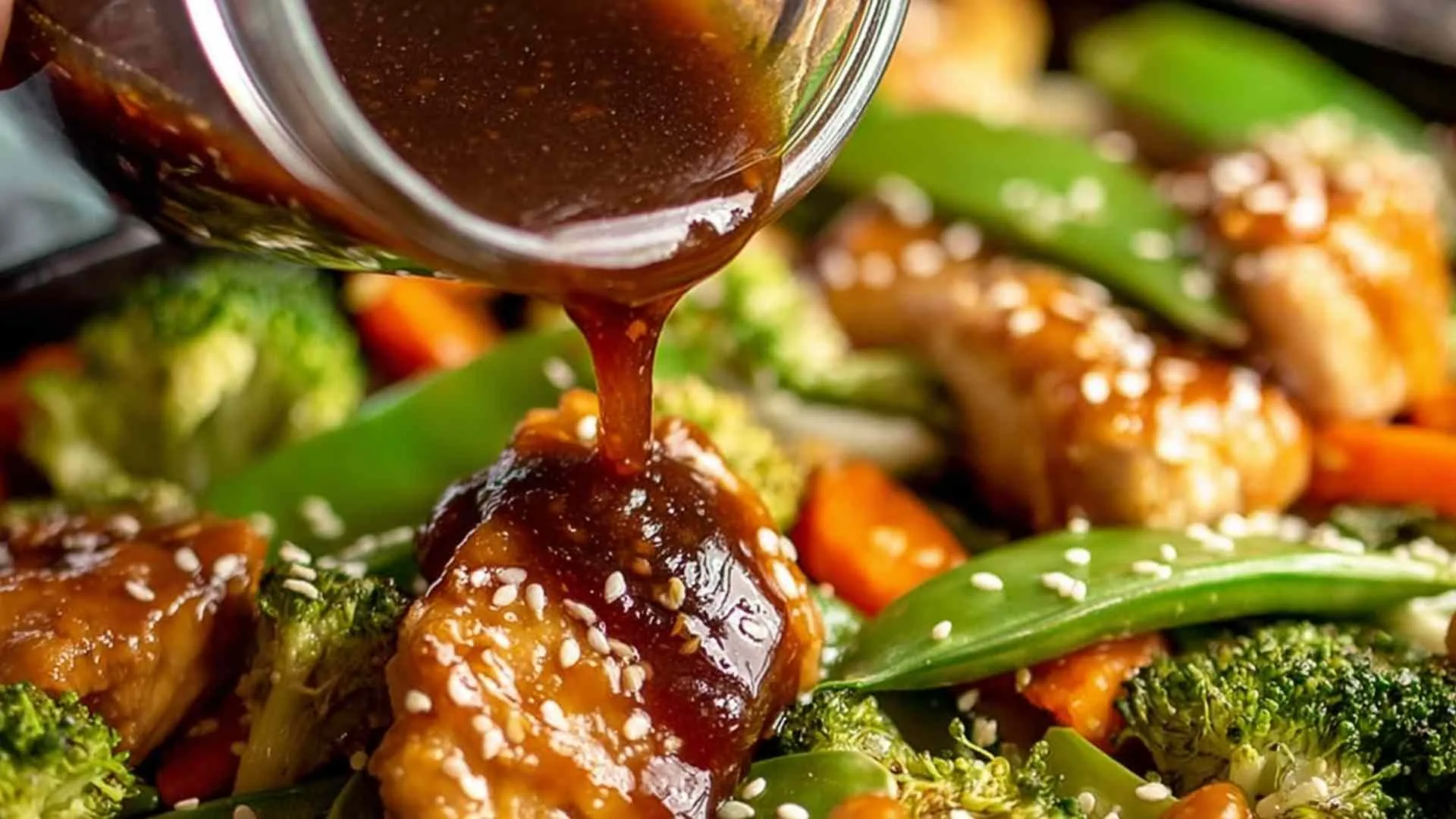
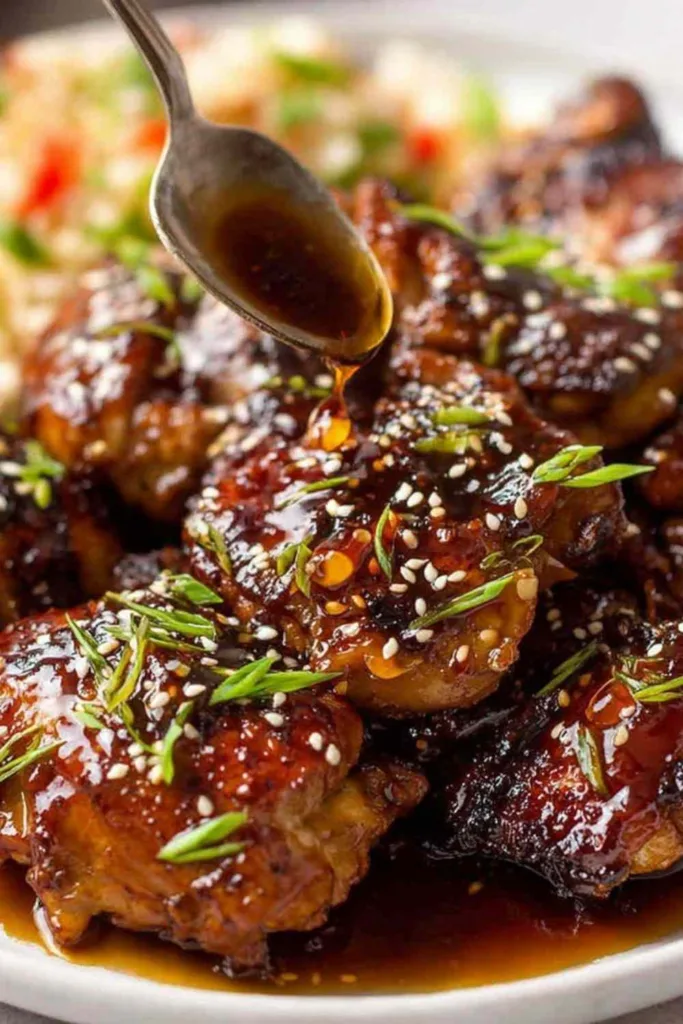
Step 10. Garnish with sliced green onion and sesame seeds, and serve the warm thickened sauce on the side for drizzling.
Important: Never use the marinade that touched raw chicken for basting or for the serving sauce. This is a food safety requirement. Always reserve your basting and sauce portions before the chicken is added.
Betty’s Tip: Poke a few small holes in the chicken with a fork before adding it to the marinade. I have found this simple step helps the marinade penetrate deeper, especially if you are working with a shorter marinating window.
Storage and Reheating
I typically store leftovers the same evening – cooled to room temperature first, then transferred to an airtight container in the fridge. Cooked chicken keeps well for up to 5 days, and the flavor actually deepens overnight as the sauce settles further in.
For freezing, combine raw chicken and marinade in a freezer-safe bag, remove the air, and freeze flat. When you pull it out and thaw it overnight in the fridge, it marinates the whole time. It is one of the smartest meal-prep moves I know. Cooked chicken can also be frozen, though texture is best when the chicken is cooked fresh from the marinade.
For reheating, Betty’s preferred method is the oven at 350 F for about 7 minutes with a small splash of water in the base of the dish. This creates gentle steam that keeps the chicken moist without drying it out. The microwave works fine for a quick lunch – cover it loosely and heat in 60-second bursts.
Storage summary:
- Refrigerator (cooked): up to 5 days in an airtight container
- Freezer (raw in marinade): up to 3 months; thaws and marinates at the same time
- Freezer (cooked): up to 2 months; texture is best fresh
- Serving sauce (fridge): 4 to 5 days; re-simmer if it thins
- Reheating in oven: 7 minutes at 350 F with a splash of water in the dish
What to Serve with Honey Soy Chicken
This marinade sits comfortably between Asian and Western flavors, which means you have real freedom with your sides. Here are Betty’s favorites for a complete satisfying meal.
For rice-based sides, try this recipe alongside Pineapple Chicken Kabobs for a full grill spread, or serve over rice and pair with Asian Slaw for a bright crunchy contrast to the rich lacquered chicken.
If you enjoy soy-based chicken dishes, you will also love Caramelised Soy Chicken in Garlic Ginger Broth with Rice which delivers similar flavors in a cozy brothy bowl. For a quick weeknight change of pace, the Bang Bang Chicken Rice Bowl and Korean Ground Beef Bowl are fantastic companions in the same flavor family.
Want to use this same marinade on wings or make an oven version on a busy weeknight? Betty’s Honey Soy Wings recipe and Sticky Honey Soy Baked Chicken both use the same core flavors and are ready with far less hands-on time.
FAQs
I strongly recommend against it. Dark soy sauce has an intense molasses-like flavor that makes the marinade too overpowering and bitter. Stick to all-purpose or light soy sauce for the balanced flavor this recipe relies on.
The best substitutes in order are dry sherry, Mirin, cooking sake, or half a cup of chicken stock. Betty’s honest advice: pick up a bottle of Shaoxing wine from any Asian grocery store. It costs just a few dollars and lasts for years in the pantry.
The minimum is 3 hours, but 24 to 48 hours is where you get the deepest flavor and most tender texture. If you have the time, marinate overnight. It is the difference between good and something your family asks about again the next week.
Honey Soy Chicken Marinade – Marinade, Basting Sauce and Serving Sauce
Ingredients
Equipment
Method
-
Place all marinade sauce ingredients in a large jug and mix well until the honey is completely dissolved.
-
Pour exactly 1/4 cup of the marinade into a small container and refrigerate. This is your clean basting sauce. Set it aside before the chicken is added.
-
Pour 2/3 cup of the marinade into a separate container and refrigerate. This becomes your serving sauce.
-
Pour the remaining marinade over the chicken, coat thoroughly, cover, and refrigerate for 24 to 48 hours (minimum 3 hours).
-
When ready to cook, stir the cornstarch into 1/3 cup cold water until smooth. Combine with the reserved 2/3 cup marinade in a small saucepan. Simmer over medium heat for 5 minutes, stirring regularly, until thickened to a syrupy consistency. Keep warm.
-
Brush BBQ grill grates or a large skillet with vegetable oil and heat to medium-high.
-
For chicken thighs: cook the first side 2 minutes, flip and baste with reserved basting sauce. Continue flipping and basting every 1 to 2 minutes for a total of about 10 minutes, until internal temperature reaches 165 F (75 C).
-
For chicken breast: cook the first side 2 minutes, flip and baste. Continue flipping and basting every 45 seconds for a total of about 8 minutes, until internal temperature reaches 151 F (66 C). Carryover heat will bring it to safe temperature during resting.
-
Transfer to a serving plate, cover loosely with foil, and rest for 5 minutes.
-
Garnish with sesame seeds and green onion. Serve with the warm thickened sauce on the side.